The AI Revolution in Dermatology: A Systematic Review
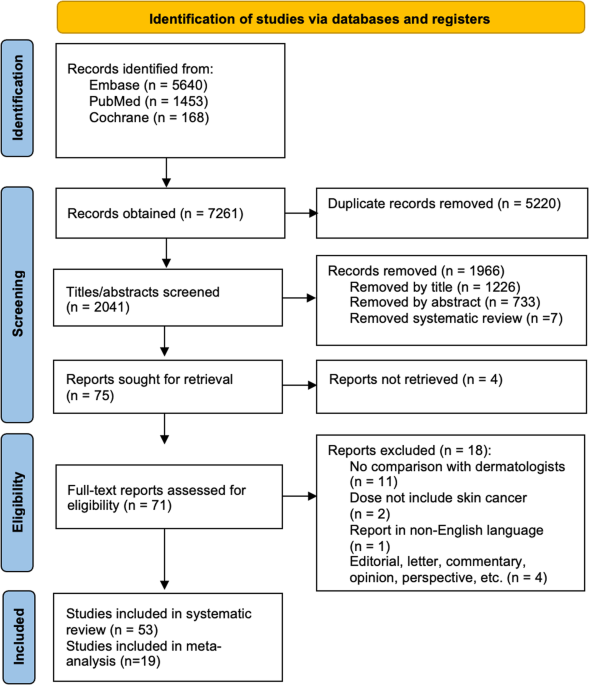
In a groundbreaking study published in Nature, researchers have delved into the burgeoning field of artificial intelligence (AI) in dermatology, specifically examining its role in diagnosing skin cancer. The study, titled “A Systematic Review and Meta-Analysis of Artificial Intelligence Versus Clinicians for Skin Cancer Diagnosis,” offers a comprehensive look at how AI stacks up against human clinicians in this critical area of healthcare.
The research highlights a significant trend: AI is rapidly becoming a valuable tool in dermatology, offering diagnostic capabilities that rival those of experienced dermatologists. The study’s findings are based on a meticulous systematic review and meta-analysis of numerous studies that compare AI algorithms with clinicians in diagnosing skin cancer.
AI’s Diagnostic Performance
The study reveals that AI algorithms demonstrate comparable sensitivity and specificity to dermatologists. This finding is particularly noteworthy as it suggests that AI can serve as an effective diagnostic aid, especially for non-expert clinician groups. In fact, when AI-assisted tools were employed, there were significant improvements in diagnostic accuracy for these groups.
This comprehensive analysis underscores the potential of AI to enhance diagnostic precision, a crucial factor in early skin cancer detection. The implications are profound, suggesting that AI could play a pivotal role in improving healthcare outcomes for patients worldwide.
Implications for Clinical Practice
While the study affirms AI’s effectiveness in clinical settings, it also emphasizes the need for further prospective, real-world evaluations. These evaluations are essential to substantiate AI’s practical application in dermatological diagnostics. The integration of AI into clinical practice could aid less experienced practitioners, providing them with the tools to make more accurate diagnoses and ultimately improve patient care.
For more detailed insights, the full study is accessible here.
Future Prospects
As AI continues to evolve, its role in dermatology is expected to expand. The study’s findings pave the way for further research and development in AI-assisted diagnostic tools, which could revolutionize the field of dermatology. The potential for AI to assist in early detection and treatment of skin cancer is immense, promising a future where technology and healthcare work hand in hand to save lives.
Conclusion
This study marks a significant milestone in the integration of AI into dermatological practice. By demonstrating AI’s potential to match, and in some cases, enhance the diagnostic skills of human clinicians, it sets the stage for a future where AI is an indispensable part of medical diagnostics.
Getting licensed or staying ahead in your career can be a journey—but it doesn’t have to be overwhelming. Grab your favorite coffee or tea, take a moment to relax, and browse through our articles. Whether you’re just starting out or renewing your expertise, we’ve got tips, insights, and advice to keep you moving forward. Here’s to your success—one sip and one step at a time!
"AI and machine learning are emerging as powerful technologies to address this issue, improving the accuracy of medical diagnosis and revolutionizing healthcare with their myriad applications."
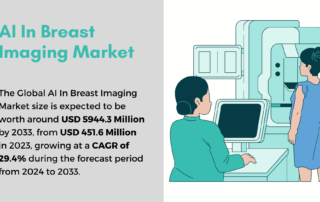
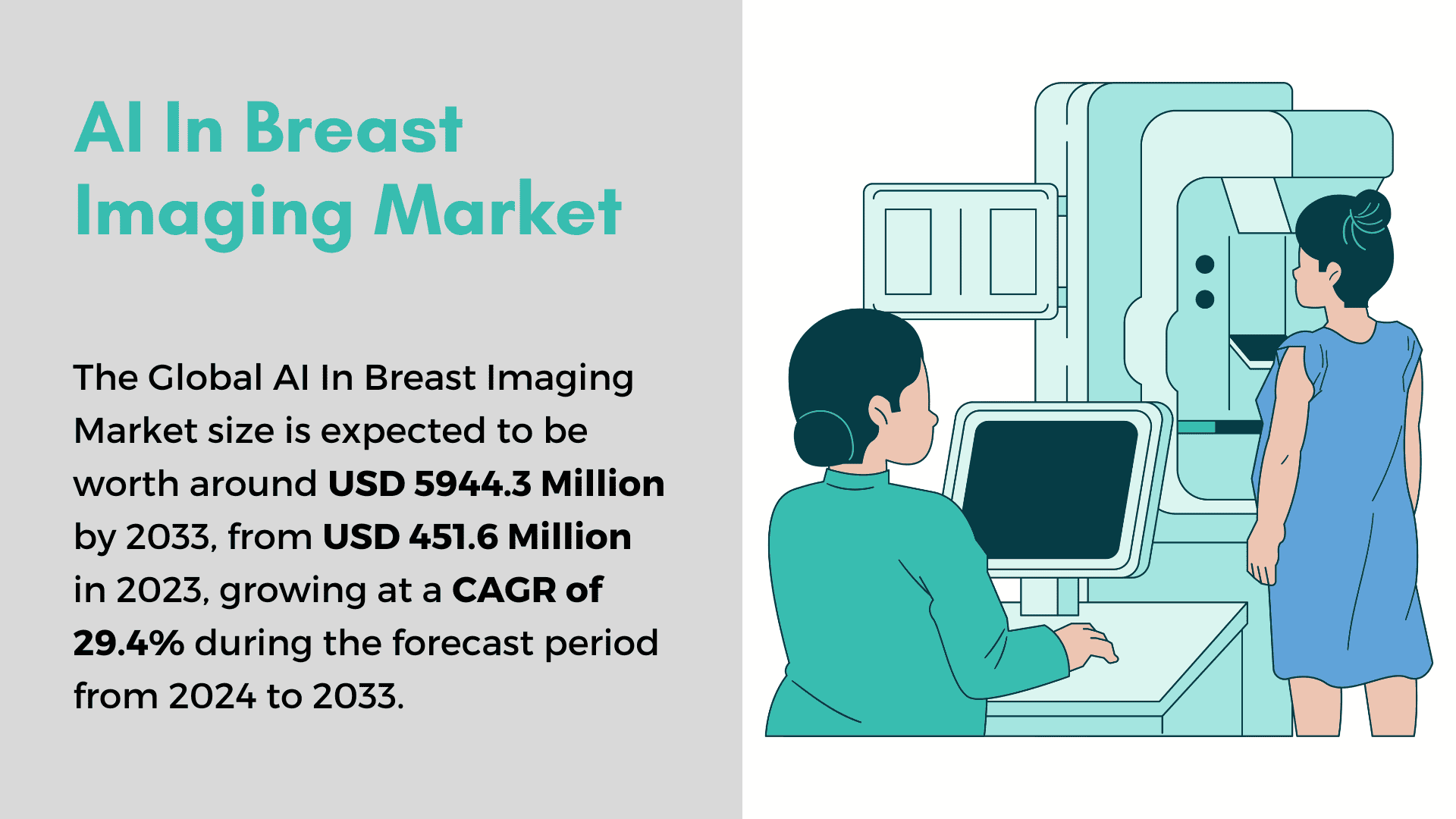
The global AI in breast imaging market is on a remarkable growth trajectory, projected to swell from USD 451.6 million in 2023 to an impressive USD 5944.3 million by 2033. This represents a compound annual growth rate (CAGR) of 29.4%, primarily driven by cutting-edge advancements in AI technologies that significantly enhance diagnostic accuracy, facilitate early detection, and boost healthcare efficiency.
Virtual real estate in metaverses is becoming a focal point for investors worldwide, with digital plots of land mirroring traditional real estate value based on location, size, and platform popularity.
Artificial intelligence (AI) and machine learning are at the forefront of revolutionizing in-vitro diagnostic (IVD) tools, redefining diagnostics and enhancing healthcare outcomes on multiple fronts.
As we edge closer to 2030, the life sciences industry stands on the threshold of transformative changes. With a global valuation exceeding $2 trillion, the sector is poised for significant growth, driven by technological advancements and an aging population.
The advent of telehealth has revolutionized the way patients, particularly those in rural areas, access health care. By offering remote consultations and follow-up care, telehealth provides a convenient alternative to traveling long distances to urban hospitals. However, this technological advancement brings with it a set of challenges that could reshape the rural health care landscape.