Erez Meltzer, CEO of Nanox, is at the forefront of a groundbreaking transformation in healthcare. With over 35 years of leadership experience, Meltzer is steering the industry into an era where artificial intelligence (AI) is reshaping patient care. This evolution goes beyond mere enhancements; it promises truly individualized healthcare on a grand scale.


Ai in healthcare

The concept of personalized medicine is not new, yet its effective implementation has been hampered by the complexities of human biology and the vast data involved. Enter AI, with its unparalleled computing power and analytic capabilities, capable of processing this complexity to offer meaningful insights. As AI continues to learn from healthcare data, its accuracy and predictive power grow, further enhancing its ability to tailor patient care.


Enhancing Diagnostics and Early Detection

In diagnostics, AI is making remarkable strides. Deep learning models analyze medical imaging data with impressive speed and precision. These AI systems are not replacing radiologists but augmenting their capabilities, leading to more precise diagnoses and the quick identification of incidental findings.


AI’s real strength lies in personalizing the diagnostic process. By considering individual risk factors, AI can tailor screening schedules, ensuring high-risk patients receive more frequent screenings while minimizing unnecessary procedures for low-risk individuals. This approach not only improves patient outcomes but also optimizes healthcare resources.


Predictive Analytics: A New Frontier in Preventive Care

AI’s potential in predictive analytics is vast. By integrating data from diverse sources, such as electronic health records and genetic information, AI models can predict individual patient risks with unprecedented accuracy. For instance, researchers at the University of Virginia have developed an AI model for predicting outcomes in heart failure patients, offering personalized risk assessments that enable tailored interventions.


Similarly, a pancreatic cancer risk model developed at MIT can potentially expand the group of patients who benefit from early screening. Such predictive capabilities pave the way for proactive care strategies, reducing chronic disease burdens and improving overall health outcomes.


Personalizing Treatment Plans

AI’s impact extends into treatment planning. A team at Northwestern University’s McGaw Medical Center is working on a model to predict long-term outcomes for breast cancer patients. This model aims to help pathologists recategorize patients, allowing for shorter, less intense treatment plans with fewer side effects, marking a significant advancement in personalized cancer treatment.


Addressing Challenges and Ethical Considerations

Despite AI’s promise in healthcare, challenges remain. Institutional complexity and potential biases in AI models are significant hurdles. Ensuring AI-driven healthcare is fair and equitable requires ongoing attention to diverse data sets and the adaptability of AI algorithms. As AI becomes more integral to healthcare decisions, addressing these challenges is paramount to maintaining patient trust and improving outcomes.


The Path Forward

Looking ahead, AI holds the promise of revolutionizing healthcare by enabling personalization across the patient journey. From early detection to treatment planning, AI can help create a more effective, efficient, and patient-centered healthcare system. However, it’s crucial to remember that AI is a tool to support healthcare professionals, not replace them.


As we continue to develop AI technologies, we must do so responsibly, focusing on improving patient outcomes and maintaining trust. The future of healthcare is personalized, predictive, and proactive, and by embracing these technologies thoughtfully, we can work toward a system that truly centers on the individual patient.


The AI revolution in healthcare is well underway. As industry leaders, it’s our responsibility to guide this transformation, ensuring that we harness the power of AI to create a healthcare system that serves all patients better. The potential benefits—lives improved and saved—are too significant to ignore.

More Articles

Getting licensed or staying ahead in your career can be a journey—but it doesn’t have to be overwhelming. Grab your favorite coffee or tea, take a moment to relax, and browse through our articles. Whether you’re just starting out or renewing your expertise, we’ve got tips, insights, and advice to keep you moving forward. Here’s to your success—one sip and one step at a time!

The Genetic Revolution: CRISPR and Public Opinion

CRISPR-Cas9 democratizes the ability to edit genomes with unprecedented precision and ease, transforming scientific research and sparking profound societal and ethical debates.

Revolutionizing Healthcare: The AI Transformation

Artificial Intelligence (AI) is no longer a futuristic concept in healthcare; it is a reality reshaping the industry today. Visionaries like Vinod Khosla have long predicted AI's potential, foreseeing its ability to replace up to 80% of standard medical tasks. This transformation is now evident as AI technologies begin to outperform traditional methods, particularly in areas requiring precision and data processing.

Exploring the Intersection of AI and Patient-Centered Care

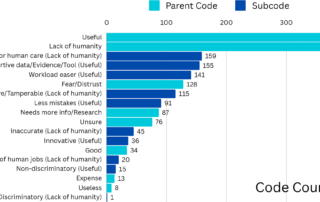
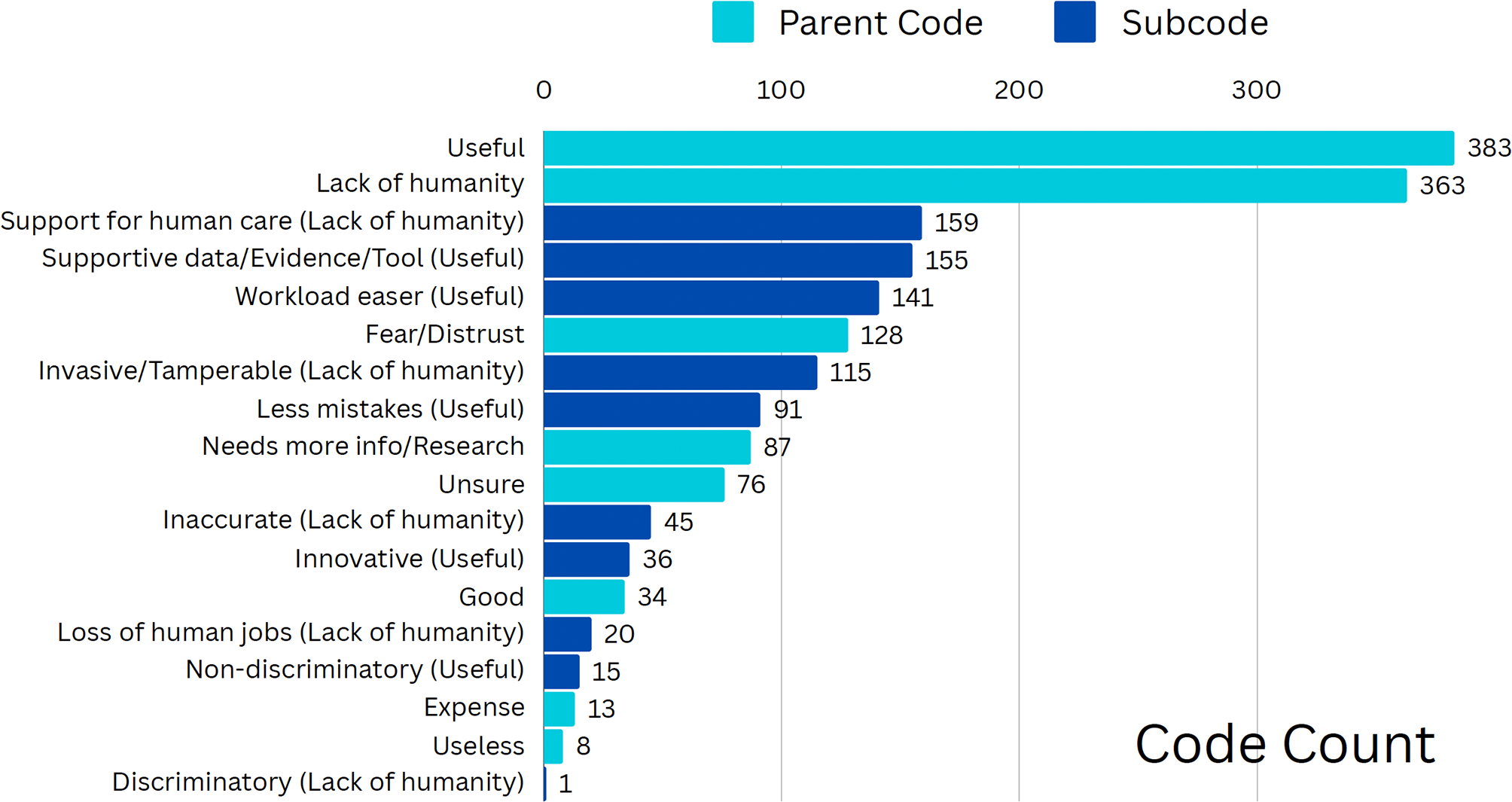
In a groundbreaking study published in BMC Medical Ethics, researchers have delved into the public's perception of artificial intelligence (AI) in healthcare, spotlighting both ethical concerns and potential opportunities for enhancing patient-centered care.

By |December 19, 2024|Categories: Article, Ethics, Healthcare|Tags: , |0 Comments

The AI Revolution in Real Estate

The real estate industry is experiencing a seismic shift, thanks to the integration of artificial intelligence (AI). This cutting-edge technology is fundamentally transforming property acquisition, sales, and management processes. AI's influence extends to predictive analytics, which are reshaping investment decisions, and virtual property tours, which are revolutionizing how we navigate the real estate landscape.

By |December 19, 2024|Categories: Article, Artificial Intelligence, Real Estate|Tags: |0 Comments

Virtual Care in 2024: Challenges and Opportunities for Telehealth

The telehealth market is experiencing a remarkable surge, driven by the increasing adoption of digital health solutions and remote care services.

NAR 2024 Sustainability Report: A Greener Future for Real Estate

The findings suggest that the industry is on the cusp of a "green revolution," with significant strides being made towards sustainability.


By |December 18, 2024|Categories: Article, Real Estate, Sustainability|Tags: , |0 Comments