The Quiet AI That’s Reshaping Finance: How Salient Became a $500M Powerhouse in Just Two Years
While the rest of Silicon Valley argued about the future of artificial general intelligence, Ari Malik was busy solving a very real, very messy problem—collecting debt. And he didn’t start in a glass-walled VC office. He started in his bedroom.
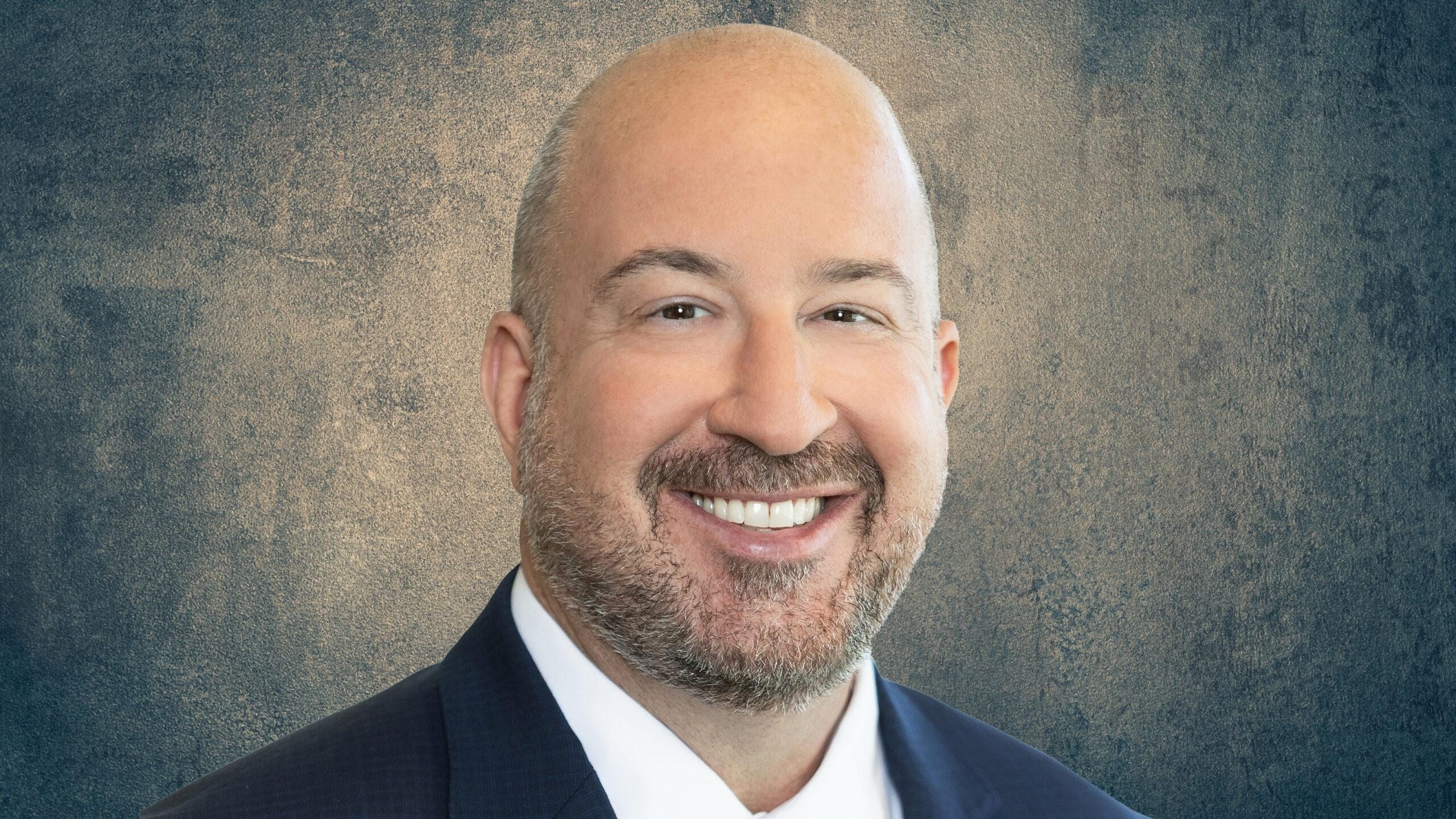
Today, Malik is the CEO of Salient, an AI-powered loan servicing startup that’s quietly become one of fintech’s most disruptive forces. What began as an attempt to modernize the world of repo men and auto lenders has now scaled into a business valued at roughly $500 million, with annual recurring revenue recently blasting past $25 million.
Source spotlight: This story originally appeared in Fortune. Dive into their full in-depth feature: Fortune – Salient’s Quiet AI Boom
What Makes Salient Different?
Most AI startups boast big churn-fighting claims, but Salient is one of the few with undeniable numbers. The company hasn’t lost a single customer and has converted 100% of pilots into paid contracts—even though churn for AI fintech tools typically ranges between 22% and 76%.
Their secret? Relentless focus. Malik and cofounder Mukund Tibrewala literally moved desks into Westlake Financial’s office so they could train their AI in real-world, compliance-heavy environments. That on‑site approach built a level of trust rarely seen in financial technology.
Industry Tip: Finance, mortgage, and real estate pros—this is a sign. AI built with compliance at its core is no longer optional. It’s the new baseline.
The Auto Lending Problem No One Talks About
Americans are drowning in debt, and the numbers are staggering. Nearly 80% of households carry some form of debt, while lenders spend $20–30 billion annually just servicing auto loans.
Traditionally, that meant teams of call center agents negotiating payments and updating records manually. Salient replaces that entire workflow using AI agents that are reportedly 30× more compliant than humans—handling calls, processing payments, and maintaining spotless documentation.
From Steve Jobs AI Prank to Fintech Juggernaut
One of Salient’s early breakthroughs came from an unexpected stunt: an AI-generated Steve Jobs making mock negotiation calls. It wasn’t designed to go viral—it was a proof-of-concept to show lenders how authentic and accurate their AI could sound.
The result? Their earliest customer sign‑ups happened right after hearing that demo.
Where Salient Goes Next
The company isn’t stopping at collections. Their future roadmap includes:
• A modern loan management system
• A credit reporting module
• A full charge‑off platform
• Automated DMV integrations
• Additional financial infrastructure tools for lenders
Their long-term vision: becoming the fully autonomous system of record for lenders nationwide—from origination to final payoff.
Professional Insight: For real estate, mortgage, and finance professionals: the AI revolution is not ahead—it’s happening right now. Those who adapt will dominate.
What This Means for Licensed Professionals
Fintech is entering a new era where trust, compliance, and intelligent automation define the biggest winners. For agents, brokers, adjusters, and other licensed professionals, this shift presents massive opportunity—if you’re prepared.
That’s why schools like Cameron Academy continue expanding education across real estate, mortgage, insurance, finance, and more. Staying competitive means staying educated, and Cameron Academy provides the modern training professionals need to thrive in an AI‑driven marketplace.
If Salient’s meteoric rise proves anything, it’s this: the future belongs to professionals who never stop learning.
More Articles
Getting licensed or staying ahead in your career can be a journey—but it doesn’t have to be overwhelming. Grab your favorite coffee or tea, take a moment to relax, and browse through our articles. Whether you’re just starting out or renewing your expertise, we’ve got tips, insights, and advice to keep you moving forward. Here’s to your success—one sip and one step at a time!
November marked another cooldown for commercial real estate, with total deal volume dropping 10% year over year and falling below even 2020’s levels. While overall activity is slowing, investors are concentrating their money on bigger, more resilient assets—driving a 51% surge in deals over $100 million and pushing average transaction sizes well above historical norms. Multifamily remains the strongest sector, office deals are becoming more strategically focused, and medical office and data centers continue to outperform as long‑term demand stays solid.
After years of stalled activity, commercial real estate may finally be nearing a rebound. Experts say that expected interest‑rate drops in 2026 could reignite investor confidence, unlock sidelined capital, and boost deal flow across multiple sectors. But the outlook isn’t uniformly sunny—multifamily faces oversupply, industrial is cooling after years of rapid growth, and weakening employment conditions may slow absorption. For professionals across real estate, mortgage, insurance, and finance, the shifting landscape presents both challenges and major opportunities for those who stay informed and properly licensed.
Consumer Reports delivered a major warning to Congress, highlighting how rapidly expanding fintech tools—especially AI‑driven platforms—are outpacing consumer protections. In testimony before the House Subcommittee on Digital Assets, Financial Technology and AI, CR called for stronger, clearer rules to prevent hidden fees, predatory practices, and confusion within digital financial products. For professionals in real estate, mortgages, insurance, and finance, these emerging regulations may soon influence lending decisions, underwriting, credit evaluations, and compliance expectations across the industry.
Amazon is preparing to cut up to 30,000 corporate jobs by mid‑2026 as it pivots aggressively toward automation and AI. Following 14,000 layoffs in late 2025, the company is eliminating layers of management to redirect billions into robotics, generative AI systems, and supercomputing partnerships. While warehouse hiring continues for seasonal demand, Amazon’s internal shift reveals a broader nationwide trend: white‑collar roles across tech, finance, logistics, and more are being reshaped by automation at unprecedented speed.
Florida’s real estate market enters 2026 with new leadership at the helm as Chuck Bonfiglio, broker-owner of AAA Realty Group, is officially installed as President of Florida Realtors. With more than 230,000 members behind the association, Bonfiglio highlights affordability, insurance reform, and taxes as key priorities while expressing optimism about easing mortgage rates, stabilizing prices, and growing inventory. Backed by years of statewide and national Realtor leadership, he aims to guide professionals through another transformative year alongside a newly appointed 2026 leadership team.
Tampa isn’t cooling off—it’s getting smarter. After years of rapid expansion, the city’s commercial real estate market has shifted into a more disciplined, selective phase. Population growth remains strong, office leasing is outperforming national trends, industrial activity is normalizing sustainably, and retail is seeing renewed investor confidence. With capital becoming more cautious and health care real estate emerging as a major growth sector, Tampa is entering a new era focused on strategy, execution, and long‑term fundamentals.