The Quiet AI That’s Reshaping Finance: How Salient Became a $500M Powerhouse in Just Two Years
While the rest of Silicon Valley argued about the future of artificial general intelligence, Ari Malik was busy solving a very real, very messy problem—collecting debt. And he didn’t start in a glass-walled VC office. He started in his bedroom.
Today, Malik is the CEO of Salient, an AI-powered loan servicing startup that’s quietly become one of fintech’s most disruptive forces. What began as an attempt to modernize the world of repo men and auto lenders has now scaled into a business valued at roughly $500 million, with annual recurring revenue recently blasting past $25 million.
Source spotlight: This story originally appeared in Fortune. Dive into their full in-depth feature: Fortune – Salient’s Quiet AI Boom
What Makes Salient Different?
Most AI startups boast big churn-fighting claims, but Salient is one of the few with undeniable numbers. The company hasn’t lost a single customer and has converted 100% of pilots into paid contracts—even though churn for AI fintech tools typically ranges between 22% and 76%.
Their secret? Relentless focus. Malik and cofounder Mukund Tibrewala literally moved desks into Westlake Financial’s office so they could train their AI in real-world, compliance-heavy environments. That on‑site approach built a level of trust rarely seen in financial technology.
Industry Tip: Finance, mortgage, and real estate pros—this is a sign. AI built with compliance at its core is no longer optional. It’s the new baseline.
The Auto Lending Problem No One Talks About
Americans are drowning in debt, and the numbers are staggering. Nearly 80% of households carry some form of debt, while lenders spend $20–30 billion annually just servicing auto loans.
Traditionally, that meant teams of call center agents negotiating payments and updating records manually. Salient replaces that entire workflow using AI agents that are reportedly 30× more compliant than humans—handling calls, processing payments, and maintaining spotless documentation.
From Steve Jobs AI Prank to Fintech Juggernaut
One of Salient’s early breakthroughs came from an unexpected stunt: an AI-generated Steve Jobs making mock negotiation calls. It wasn’t designed to go viral—it was a proof-of-concept to show lenders how authentic and accurate their AI could sound.
The result? Their earliest customer sign‑ups happened right after hearing that demo.
Where Salient Goes Next
The company isn’t stopping at collections. Their future roadmap includes:
• A modern loan management system
• A credit reporting module
• A full charge‑off platform
• Automated DMV integrations
• Additional financial infrastructure tools for lenders
Their long-term vision: becoming the fully autonomous system of record for lenders nationwide—from origination to final payoff.
Professional Insight: For real estate, mortgage, and finance professionals: the AI revolution is not ahead—it’s happening right now. Those who adapt will dominate.
What This Means for Licensed Professionals
Fintech is entering a new era where trust, compliance, and intelligent automation define the biggest winners. For agents, brokers, adjusters, and other licensed professionals, this shift presents massive opportunity—if you’re prepared.
That’s why schools like Cameron Academy continue expanding education across real estate, mortgage, insurance, finance, and more. Staying competitive means staying educated, and Cameron Academy provides the modern training professionals need to thrive in an AI‑driven marketplace.
If Salient’s meteoric rise proves anything, it’s this: the future belongs to professionals who never stop learning.
More Articles
Getting licensed or staying ahead in your career can be a journey—but it doesn’t have to be overwhelming. Grab your favorite coffee or tea, take a moment to relax, and browse through our articles. Whether you’re just starting out or renewing your expertise, we’ve got tips, insights, and advice to keep you moving forward. Here’s to your success—one sip and one step at a time!
A federal judge has denied class‑certification in the high‑stakes Batton commission lawsuit, delivering a temporary win for NAR and major brokerages while leaving the door open for plaintiffs to try again. With as much as $3.6 billion in potential damages on the line and nearly 80% of the proposed class now disqualified due to conflicts with earlier settlements, the case stands at a pivotal moment. Real estate professionals nationwide — especially in Florida — should watch closely, as the ruling could shape the future of buyer‑agent compensation.
Florida homeowners are paying nearly double the national average for insurance, with premiums now reaching $5,838 a year and denied claims topping 40 percent. Residents report tripled rates, underpaid claims, and mounting financial strain, pushing lawmakers in Tallahassee to propose caps on rate hikes, tax breaks for storm‑proof upgrades, and tighter oversight of insurers. These developments are reshaping real estate and insurance conversations across the state as professionals brace for major industry shifts.
Berkshire County closed Q3 2025 with strong momentum as sales, dollar volume, and buyer competition all climbed year‑over‑year. Inventory showed slight improvement but remains far below demand, keeping the market tilted toward sellers. Single‑family homes and condos led the surge, while multifamily, land, and commercial sectors showed mixed performance. The region continues to stand out as one of New England’s most resilient real estate markets heading into 2026.
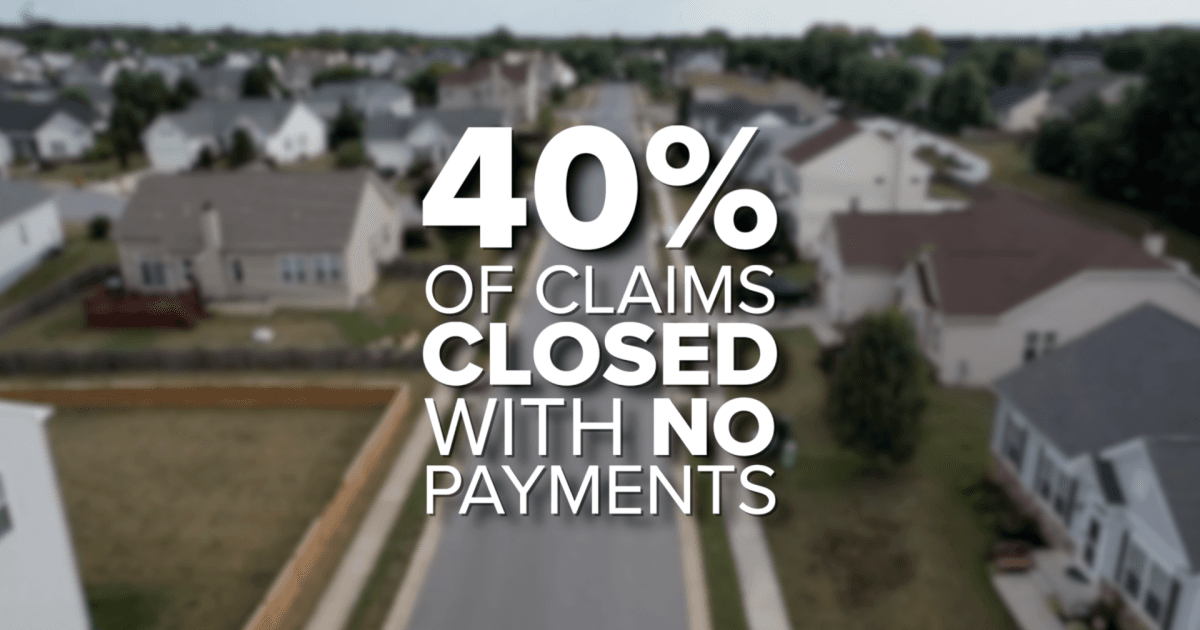
Florida homeowners now face the highest insurance burdens in the nation, with average premiums topping $5,800 per year—roughly $3,000 above the national average. As rates triple for some residents, more Floridians are skipping coverage altogether, while denied claims and slow payouts add to the frustration. With over 40 percent of claims closing with no payment and lawmakers battling over reform in Tallahassee, the crisis is reshaping budgets, homebuying decisions, and the real estate industry statewide.
Global capital is surging back into real estate—and this time, investors want more control. Colliers’ 2026 Global Investor Outlook reveals a major shift toward direct investments, joint ventures, and hands‑on strategies as money moves across North America, Europe, and the booming Asia‑Pacific markets. Data centers are now the top‑funded asset class, offices are staging a comeback, and adaptive reuse is reshaping cities worldwide. For real estate and finance professionals, the message is clear: opportunity is accelerating, and those with the right education and licensing will be at the center of the action.
The Fed’s recent rate cuts should have offered relief to commercial real estate—but long-term borrowing costs haven’t budged. While short‑term rates are falling, stubborn long‑term yields, broken deal math, and a trillion‑dollar refinancing wave are keeping the market frozen. For investors and professionals across Florida and the nation, understanding this disconnect is key to navigating the opportunities and risks emerging in today’s shifting CRE landscape.