The Best CRM for Real Estate of 2024: A Comprehensive Guide
In the ever-evolving world of real estate, maintaining strong relationships is the cornerstone of success. Realtors are increasingly turning to Customer Relationship Management (CRM) software to streamline their operations and enhance client interactions. According to TechRadar, the best CRM solutions for real estate in 2024 offer a blend of intuitive interfaces, powerful automation, and robust lead generation tools.
Why CRM Matters
CRM software is more than just a digital address book. It is a vital tool that can transform how real estate professionals manage their client relationships. By leveraging CRM, agencies can improve customer experiences, reduce operational costs, and ultimately boost sales. The best CRM software offers customizable features that cater specifically to the needs of real estate businesses, from managing property listings to tracking client interactions.
Top CRM Solutions for Real Estate
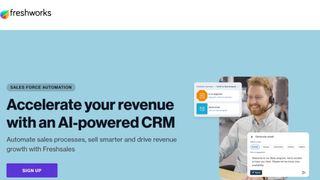
Freshsales: Known for its intuitive and customizable interface, Freshsales is a popular choice among realtors. It offers advanced AI forecasting and a mobile app with voice note features. However, lead generation tools are only available with the Enterprise plan.
HubSpot: With a competitive free plan and over 300 third-party app integrations, HubSpot is ideal for those on a budget. Its modular approach allows agencies to expand their CRM capabilities as they grow.
Zoho CRM: Perfect for those already using the Zoho suite, this CRM offers seamless integration with other Zoho apps. It features social media scraping tools for lead generation and a user-friendly interface.
Insightly: This CRM excels in project management and offers extensive customization options. Its integrated project management tools and user-friendly interface make it a strong contender for larger brokerages.
BoomTown: Built specifically for realtors, BoomTown offers real-time property updates and a website builder with built-in insights. Its “Success Assurance” program helps convert cold leads into transaction-ready customers.
Choosing the Right CRM
When selecting a CRM, real estate professionals should consider factors such as lead generation capabilities, customizability, and automation features. For instance, Freshsales and Zoho offer powerful automations that allow realtors to focus more on client interactions and less on administrative tasks.
For those seeking a budget-friendly option with extensive free functionality, HubSpot provides a solid foundation that can be expanded as needed. Meanwhile, Insightly and BoomTown cater to larger teams and real estate-focused needs, respectively.
Conclusion
The right CRM can be a game-changer for real estate professionals, offering tools to enhance client relationships and streamline operations. As the industry continues to evolve, staying ahead with the best CRM solutions will be crucial for success.
More Articles
Getting licensed or staying ahead in your career can be a journey—but it doesn’t have to be overwhelming. Grab your favorite coffee or tea, take a moment to relax, and browse through our articles. Whether you’re just starting out or renewing your expertise, we’ve got tips, insights, and advice to keep you moving forward. Here’s to your success—one sip and one step at a time!
Artificial intelligence has shifted from a novelty to a defining force in real estate, transforming everything from listing creation to virtual staging while raising new legal and ethical risks. As AI adoption accelerates, experts warn that the agents who embrace automation and new tools now will gain a major competitive edge, while those who delay could fall behind in a rapidly evolving industry.
As AI and automation reshape the workforce, one form of career protection remains as powerful as ever: earning a state license. From real estate to trades to finance, licensed professionals stay in high demand because their work requires proven competence, accountability and human judgment—qualities technology can enhance but never replace. With trade enrollment surging, investor interest growing and licensing on the rise across the country, credentials have become a reliable path to stability, mobility and long-term earning potential.
A new wave of AI platforms is redefining how real estate agents identify buyer intent, spark conversations, and nurture relationships. From conversational home search engines to predictive opportunity alerts and relationship‑intelligence systems, these tools are helping agents connect sooner and smarter—reshaping daily workflows as the 2026 market approaches.
Texas money is riding hard into San Francisco, snapping up distressed downtown buildings at prices not seen in decades. From Union Square to California Street, major players like Lone Star Funds are betting big on the city’s rebound, signaling that the market may have finally hit bottom and that a new wave of opportunity is taking shape for savvy real estate professionals nationwide.
The 2025 holiday season is expected to break the $1 trillion sales mark, but economists say the milestone masks deeper consumer caution, income‑driven spending gaps, and weakening unit sales. Urban Land Magazine’s latest analysis shows how these mixed signals are shaping a selective, uneven landscape for U.S. commercial real estate heading into 2026—where strong locations thrive, weaker assets struggle, and affluent shoppers continue to dictate market performance.
As 2025 ends, the housing market is inching toward balance with slower price growth, rising inventory, and steadier mortgage rates. Experts predict modest 1% to 2% home‑price growth in 2026—not a crash, but a calmer, more predictable market shaped by regional differences. With the Fed easing rates and inventory climbing in key cities, 2026 may become the most buyer‑friendly year in recent memory, especially for those prepared to act when the right home appears.