In the ever-evolving landscape of real estate investment, the southern United States has emerged as a beacon of opportunity. A recent report from RealEstateNews.com highlights Florida, North Carolina, and Texas as the leading markets for investors seeking growth and stability.
Key Findings from the Report
Florida remains a top market due to its annual price growth, personal income increases, and population expansion.
North Carolina and Texas also present ripe opportunities for investors, with major cities showing promising metrics.
Despite high potential, some markets like Texas and Arizona have experienced significant declines in home prices.
As Agent Advice, led by industry veteran Chris Heller, reveals, cities such as Miami, Tampa, Orlando, and Jacksonville in Florida are at the forefront of investment appeal. North Carolina’s Charlotte and Raleigh, along with Austin and Dallas in Texas, also feature prominently. Interestingly, Phoenix, Arizona, makes the list due to its impressive one-bedroom unit price growth, which soared by 11.5% year-over-year.
Challenges on the Horizon
While the southern markets boast enticing metrics, they are not without risks. Notably, Austin and Dallas have witnessed steep drops in home prices since their peak. Additionally, inventory continues to pile up in Phoenix, and Florida is shifting towards a buyer’s market.
Investors must also navigate increasing property taxes and rising home and flood insurance costs, especially in Florida, where extreme weather events are becoming more frequent.
According to the National Association of Realtors, existing home sales fell by 2.5% between July and August, with the South experiencing a more pronounced downturn of 6% year-over-year.
In conclusion, while the South offers abundant opportunities for real estate investors, careful consideration and strategic planning are essential to navigate the complexities of these dynamic markets.
More Articles
Getting licensed or staying ahead in your career can be a journey—but it doesn’t have to be overwhelming. Grab your favorite coffee or tea, take a moment to relax, and browse through our articles. Whether you’re just starting out or renewing your expertise, we’ve got tips, insights, and advice to keep you moving forward. Here’s to your success—one sip and one step at a time!
In an unexpected twist of economic fate, the construction industry finds itself grappling with a steep ascent in building material costs, a trend that began its climb at the dawn of 2024.
In the ever-evolving landscape of commercial real estate, a new challenge has emerged, straining the resilience of landlords and developers alike. The soaring costs of insurance, exacerbated by climate-induced natural disasters, are creating a formidable obstacle for property owners. Particularly affected are coastal cities and towns, where the risk of storms and floods is high.
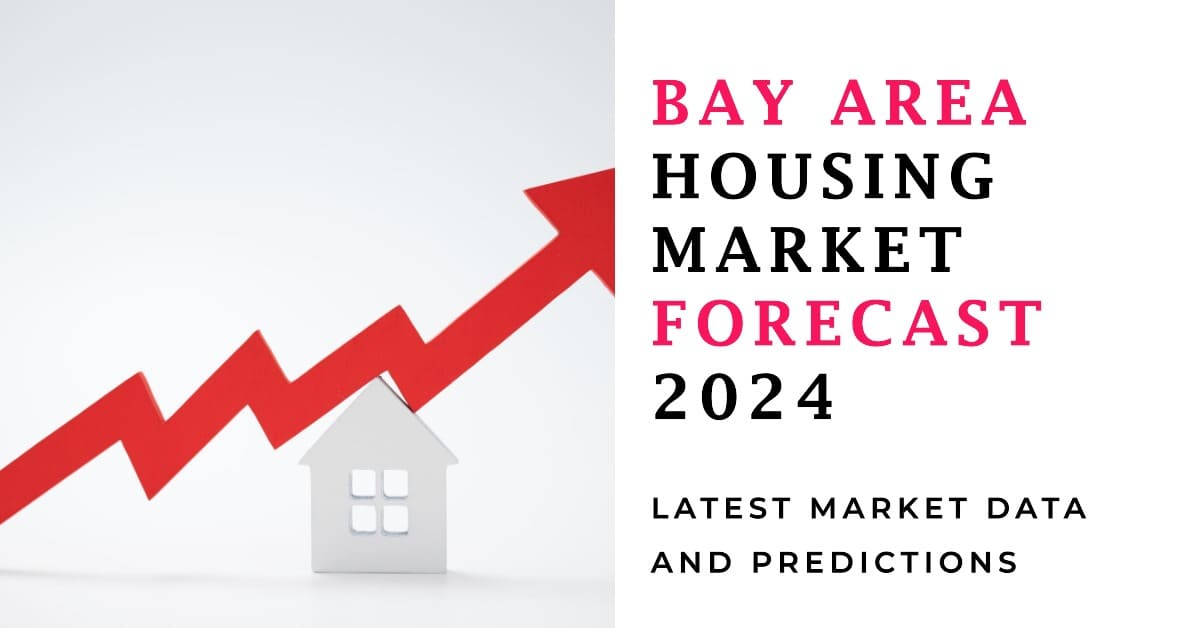
The Bay Area housing market, a perpetual reflection of its economic vigor and cultural appeal, is navigating a complex terrain as it marches into 2024.
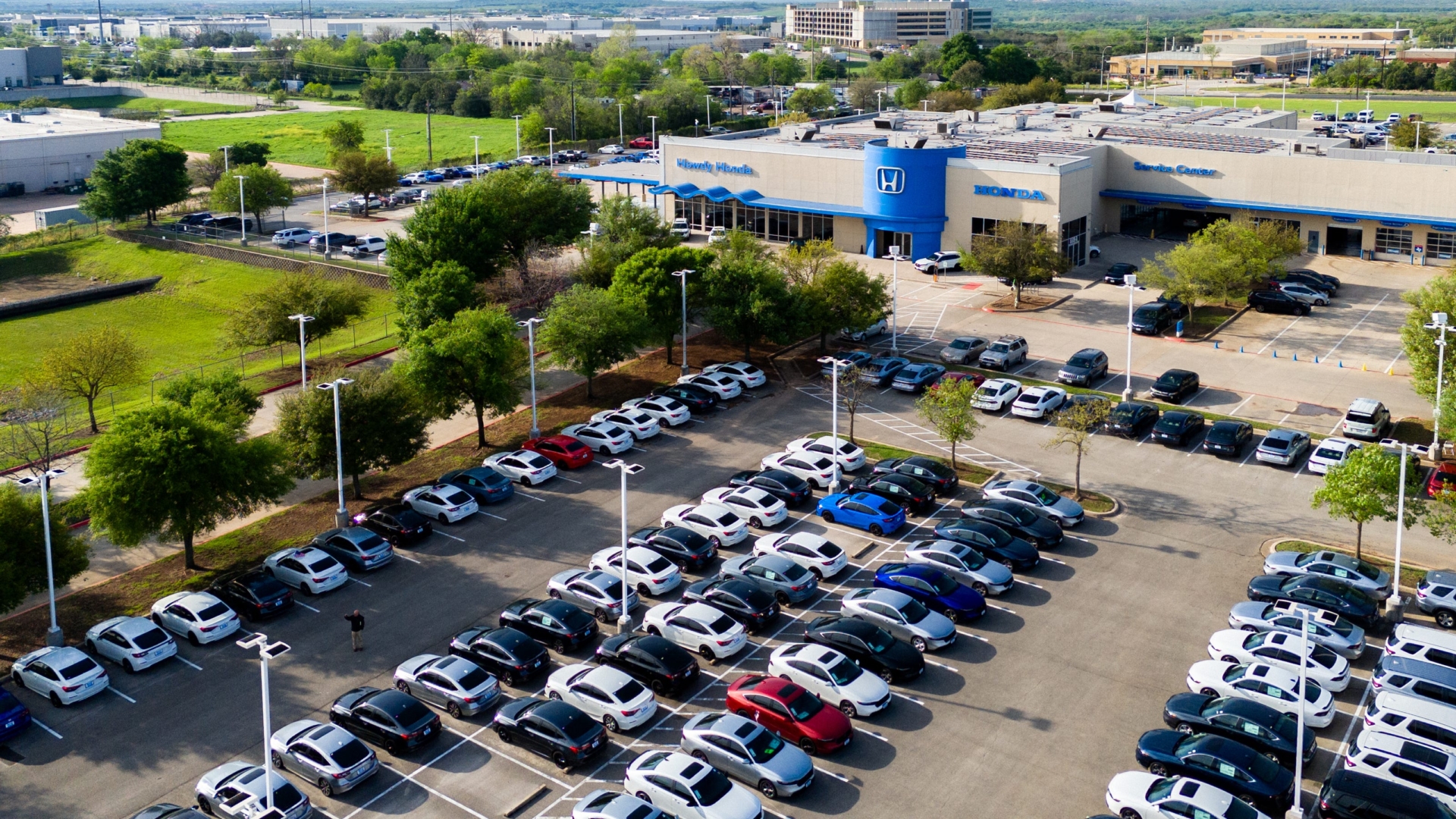
In a significant cyberattack that has disrupted operations across the United States, CDK Global, a leading provider of cloud-based software to automotive dealerships, was forced to shut down most of its systems. This incident has highlighted the vulnerabilities and rising trend of cyberattacks targeting the auto industry.
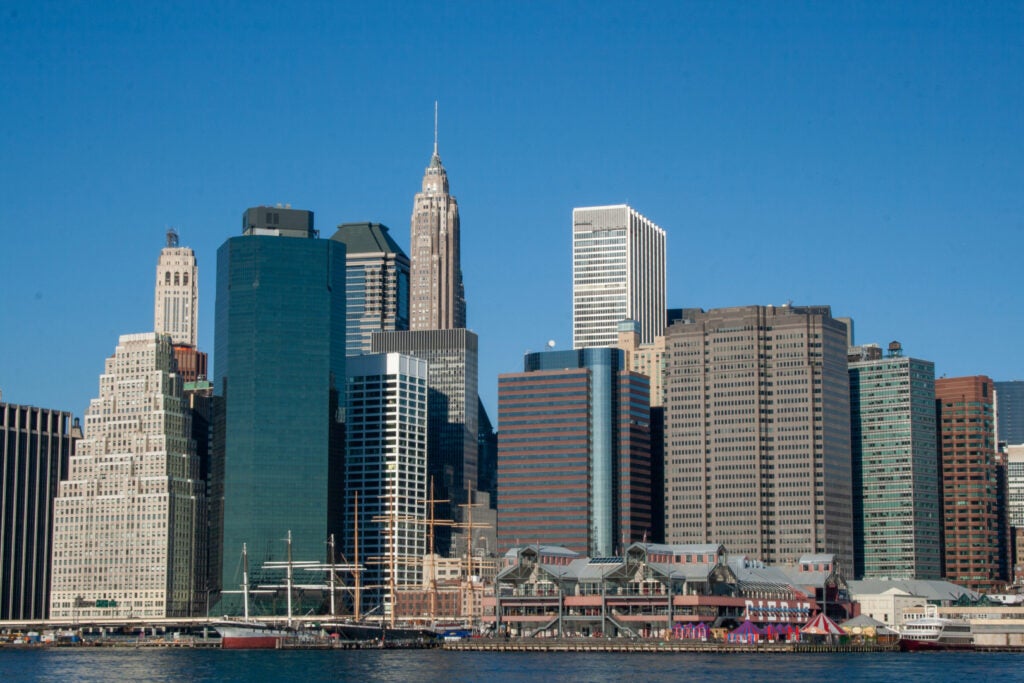
The commercial real estate landscape has experienced seismic shifts, particularly with properties purchased prior to the Covid-19 pandemic. Many of these assets now hold diminished value compared to the loans used to acquire them.