In a world where financial transactions are evolving at breakneck speed, Decentralised Finance (DeFi) emerges as a beacon of transformation, promising to revolutionize how we interact with money. Gone are the days when traditional banks held the reins. Today, DeFi stands at the forefront, offering instant, transparent transactions without the constraints of conventional banking systems.
By embracing DeFi and the blockchain revolution, individuals can seize control of their financial futures. This new paradigm opens doors to innovative investment opportunities and fosters a more inclusive global economy. As highlighted in the original article from the London Daily News, the impact of DeFi is monumental, reshaping the very fabric of the financial world.
Understanding Blockchain Technology in Finance
Blockchain technology is at the heart of this transformation, providing a decentralized, secure, and transparent framework for transactions. Unlike traditional systems, blockchain’s distributed ledger records transactions across multiple computers, ensuring no single entity has control. This decentralization enhances security and fosters trust, as altering any entry requires consensus.
Enhances security through cryptography, minimizing fraud risk
Facilitates faster transactions for near-instant cross-border payments
The Purpose of DeFi Applications
In this new financial ecosystem, DeFi leverages blockchain technology to offer decentralized financial services. DeFi promotes a peer-to-peer (P2P) approach, eliminating the need for traditional gatekeepers. Services such as lending, borrowing, and investing become more transparent and user-controlled, as explored in the future of blockchain in finance.
How Does DeFi Work?
DeFi’s foundation in blockchain technology, particularly Ethereum, enables decentralization. Smart contracts, which are self-executing contracts, automate financial processes, removing the need for intermediaries and promoting accessibility, security, and transparency.
Reshaping the Future of Finance
The transformative power of DeFi lies in its ability to address the challenges of conventional financial systems. By minimizing the need for traditional intermediaries, DeFi streamlines transactions, reducing costs and enhancing efficiency. Platforms like Aave exemplify this by allowing borrowers to connect directly with lenders, bypassing banks.
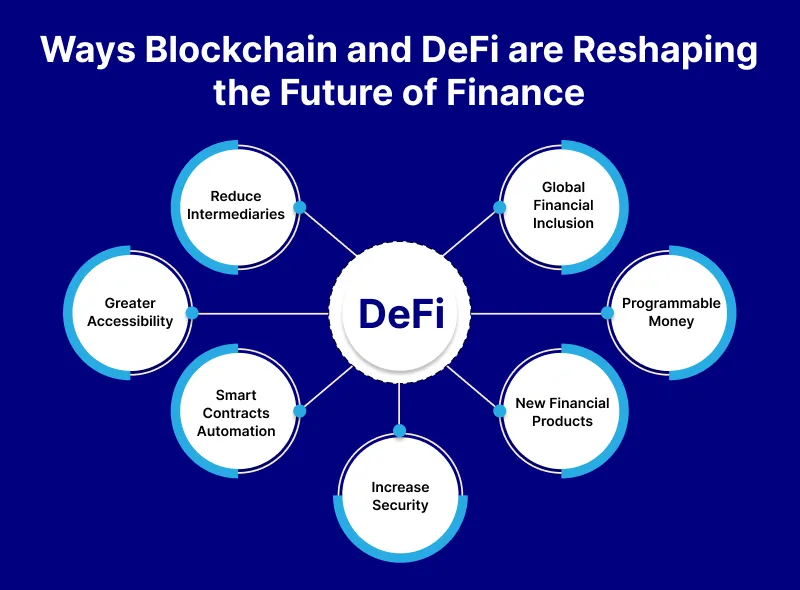
Greater Accessibility
DeFi platforms break down barriers, offering financial services to anyone with an internet connection. This inclusivity is vital in regions with limited access to traditional banking.
Smart Contracts Automation
Smart contracts automate processes, reducing human error and ensuring prompt, transparent transactions.
Increase Security
With its immutable nature, blockchain technology enhances security, making data tampering difficult. Platforms like Uniswap ensure safe, open transactions, reducing fraud risks.
New Financial Products
DeFi introduces innovative financial products, offering more flexibility and alternatives than traditional finance.
DeFi’s potential for global financial inclusion is immense, offering services to underbanked populations worldwide. By eliminating intermediaries and leveraging smartphones, people in rural areas gain access to financial opportunities previously unavailable.
As we navigate this blockchain revolution, investing in DeFi solutions becomes not only feasible but essential. Embracing DeFi unlocks unprecedented opportunities, reshaping the future of finance.
More Articles
Getting licensed or staying ahead in your career can be a journey—but it doesn’t have to be overwhelming. Grab your favorite coffee or tea, take a moment to relax, and browse through our articles. Whether you’re just starting out or renewing your expertise, we’ve got tips, insights, and advice to keep you moving forward. Here’s to your success—one sip and one step at a time!
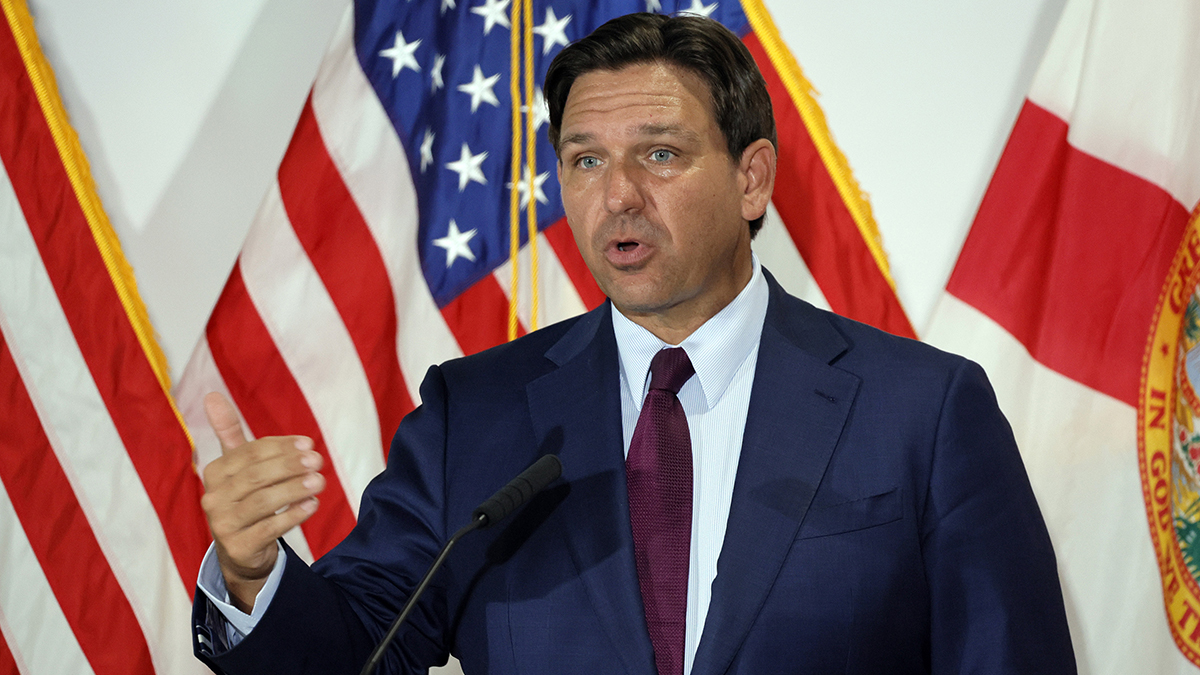
Florida homeowners — especially in hard‑hit South Florida — are set to see rare and substantial reductions in their property insurance premiums. Gov. Ron DeSantis announced an average statewide Citizens Insurance decrease of 8.7%, with even larger savings of up to 14% in counties like Miami-Dade, Broward, and Palm Beach. State officials credit recent legal and regulatory reforms for stabilizing the market, attracting new insurers, and delivering the first meaningful rate relief Floridians have seen in years.
Tampa’s commercial real estate market isn’t slowing—it’s maturing. With strong population growth, rising office demand, a normalized industrial sector, resurgent retail, and an emerging health‑care real estate boom, investors are shifting from speed to strategy. Tighter underwriting, cautious capital and increased due‑diligence are shaping a more disciplined market, creating new opportunities for informed professionals.
Florida homeowners are finally seeing relief as Citizens Property Insurance announces a major 8.7% average rate decrease—far larger than originally proposed. Driven by legislative reforms, fewer lawsuits, and a calm hurricane season, the state’s once‑unstable insurance market is showing real signs of recovery. But with reduced coverage limits and shifting legal protections, experts warn that lower premiums may come with hidden trade‑offs.
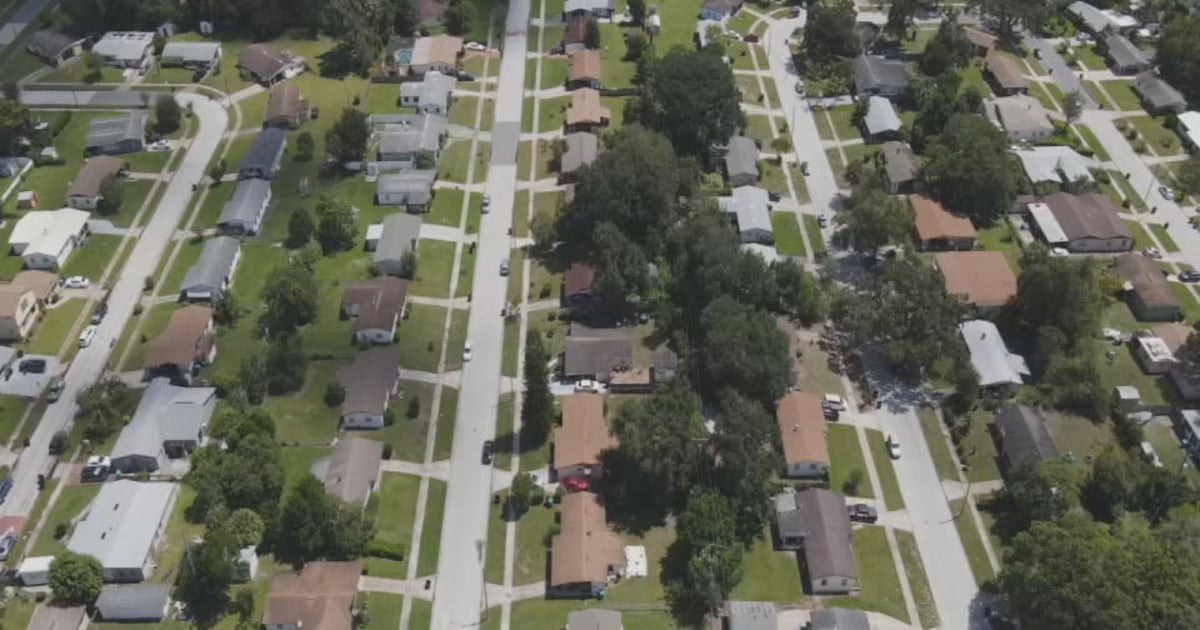
After a decade of rising premiums and retreating carriers, Florida homeowners are finally seeing long‑awaited relief. Dozens of insurers have filed for rate decreases—some as high as 11%—thanks to legislative reforms and a stabilizing market. Early approvals are already hitting counties across the state, and experts say the momentum could boost buyer confidence, affordability, and competition throughout Florida’s real estate and insurance sectors.
After years of slowed activity caused by rising interest rates, the self‑storage industry is heating up again. New data from Marcus & Millichap shows a fresh market cycle emerging, driven by renewed buyer confidence, recalibrated pricing, and stronger lender participation. Acquisitions are rebounding, development is resetting in a healthier direction, and financing conditions are improving—creating one of the most promising investment landscapes the sector has seen in years.
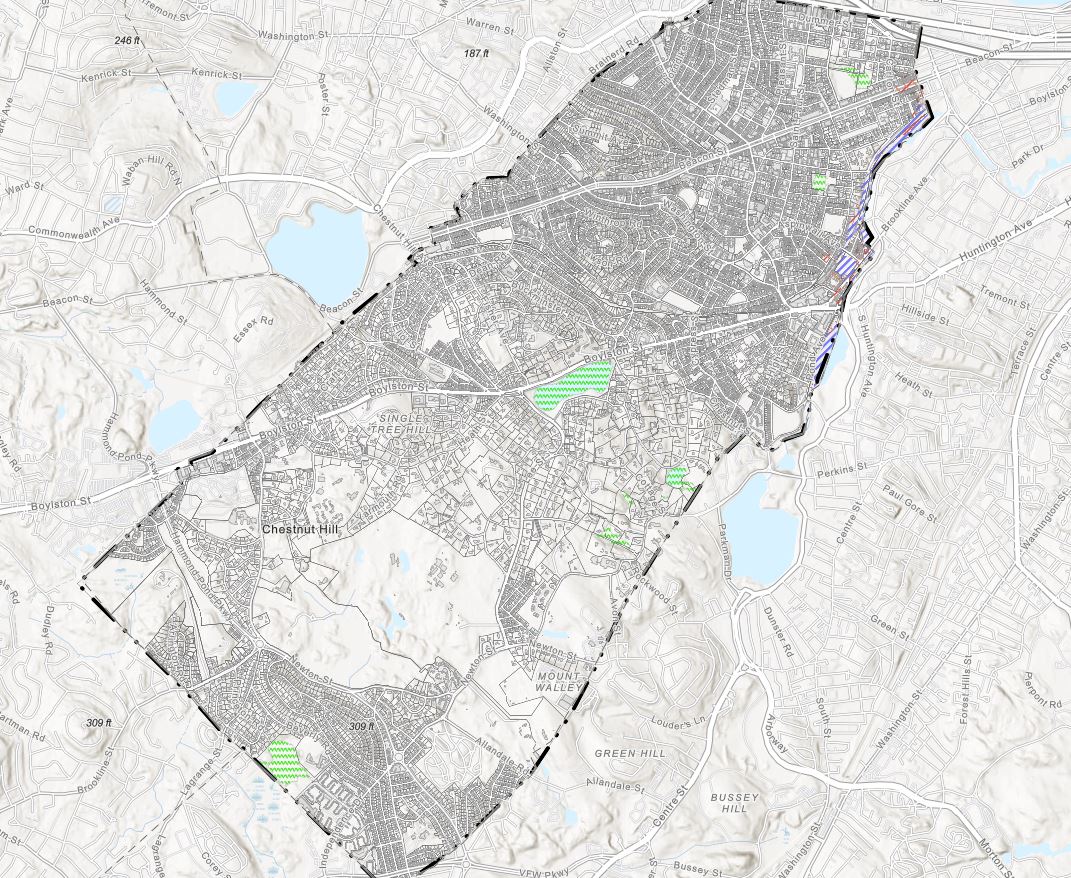
Brookline’s newly updated FEMA flood maps identify 97 high‑risk parcels, but local experts warn the true threat is far greater. While FEMA highlights river‑based flooding around Leverett Pond and the Muddy River, alternative models show more than 1,300 Brookline properties at risk within 30 years. Hidden vulnerabilities along major corridors like Beacon Street, rising rainfall intensity, aging infrastructure, and climate‑driven storm patterns suggest that many “low‑risk” areas may be anything but safe.