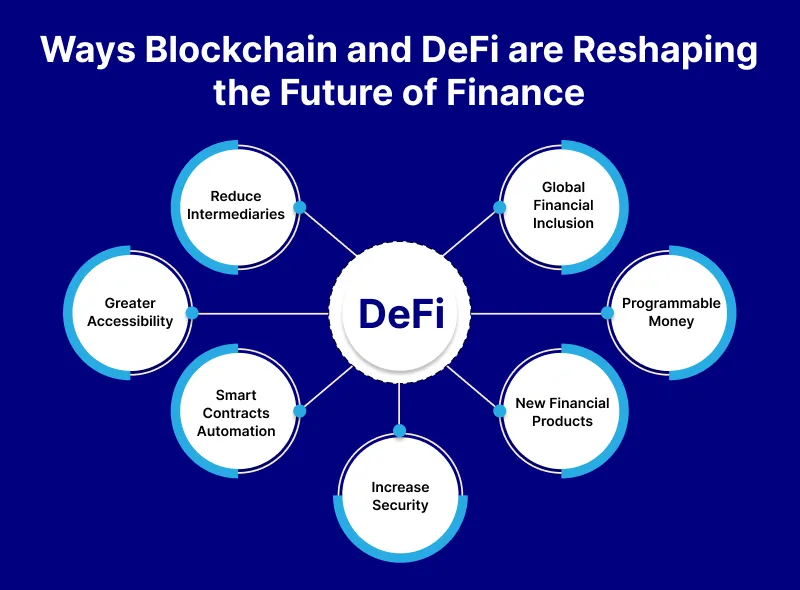
In a world where financial transactions are evolving at breakneck speed, Decentralised Finance (DeFi) emerges as a beacon of transformation, promising to revolutionize how we interact with money. Gone are the days when traditional banks held the reins. Today, DeFi stands at the forefront, offering instant, transparent transactions without the constraints of conventional banking systems.
By embracing DeFi and the blockchain revolution, individuals can seize control of their financial futures. This new paradigm opens doors to innovative investment opportunities and fosters a more inclusive global economy. As highlighted in the original article from the London Daily News, the impact of DeFi is monumental, reshaping the very fabric of the financial world.
Understanding Blockchain Technology in Finance
Blockchain technology is at the heart of this transformation, providing a decentralized, secure, and transparent framework for transactions. Unlike traditional systems, blockchain’s distributed ledger records transactions across multiple computers, ensuring no single entity has control. This decentralization enhances security and fosters trust, as altering any entry requires consensus.
Enhances security through cryptography, minimizing fraud risk
Facilitates faster transactions for near-instant cross-border payments
The Purpose of DeFi Applications
In this new financial ecosystem, DeFi leverages blockchain technology to offer decentralized financial services. DeFi promotes a peer-to-peer (P2P) approach, eliminating the need for traditional gatekeepers. Services such as lending, borrowing, and investing become more transparent and user-controlled, as explored in the future of blockchain in finance.
How Does DeFi Work?
DeFi’s foundation in blockchain technology, particularly Ethereum, enables decentralization. Smart contracts, which are self-executing contracts, automate financial processes, removing the need for intermediaries and promoting accessibility, security, and transparency.
Reshaping the Future of Finance
The transformative power of DeFi lies in its ability to address the challenges of conventional financial systems. By minimizing the need for traditional intermediaries, DeFi streamlines transactions, reducing costs and enhancing efficiency. Platforms like Aave exemplify this by allowing borrowers to connect directly with lenders, bypassing banks.
Greater Accessibility
DeFi platforms break down barriers, offering financial services to anyone with an internet connection. This inclusivity is vital in regions with limited access to traditional banking.
Smart Contracts Automation
Smart contracts automate processes, reducing human error and ensuring prompt, transparent transactions.
Increase Security
With its immutable nature, blockchain technology enhances security, making data tampering difficult. Platforms like Uniswap ensure safe, open transactions, reducing fraud risks.
New Financial Products
DeFi introduces innovative financial products, offering more flexibility and alternatives than traditional finance.
DeFi’s potential for global financial inclusion is immense, offering services to underbanked populations worldwide. By eliminating intermediaries and leveraging smartphones, people in rural areas gain access to financial opportunities previously unavailable.
As we navigate this blockchain revolution, investing in DeFi solutions becomes not only feasible but essential. Embracing DeFi unlocks unprecedented opportunities, reshaping the future of finance.
More Articles
Getting licensed or staying ahead in your career can be a journey—but it doesn’t have to be overwhelming. Grab your favorite coffee or tea, take a moment to relax, and browse through our articles. Whether you’re just starting out or renewing your expertise, we’ve got tips, insights, and advice to keep you moving forward. Here’s to your success—one sip and one step at a time!
The Trump administration is considering letting homeowners take their low mortgage rates with them when they move—a major shift that could ease inventory shortages but disrupt mortgage‑backed securities and raise legal challenges.
Washington State regulators issued more than $62,650 in penalties, fees, and restitution to a mortgage broker after uncovering widespread violations, including inaccurate call reports, 79 webpages missing mandatory disclosures, prohibited advertising language, unregistered trade names, and improper borrower preapprovals. The case serves as a crucial reminder for all mortgage, real estate, insurance, and finance professionals to stay vigilant with compliance as oversight continues to tighten nationwide.
Hidden homeownership expenses are climbing fast, with Zillow revealing that Americans now pay nearly $16,000 a year in taxes, insurance, and maintenance—up sharply from previous years. Soaring premiums, especially in Florida, and rising upkeep costs are reshaping affordability, slowing sales, and creating new challenges for both first-time buyers and seasoned homeowners.
The latest Ivans Index reveals a mixed but meaningful shift in the 2025 commercial insurance landscape, with most major coverages—including commercial auto, general liability, BOP, property, and umbrella—experiencing year‑over‑year premium increases. Workers’ compensation remains the lone category trending downward. Rising claims costs, reinsurance pressures, and market capacity changes continue to drive rates upward, while Ivans’ new Benchmarks tool brings real‑time pricing intelligence to insurers. For real estate, insurance, mortgage, and business professionals, staying informed on these changes is key to planning, budgeting, and managing risk in the year ahead.
This week’s mortgage update brought only a slight rate decline, but a much bigger conversation: the possibility of a 50-year mortgage. While a longer term could lower monthly payments by about $130 on a typical $400,000 loan, experts warn it would add more than $500,000 in extra interest and dramatically slow equity growth. With inflation still elevated and the Fed’s next moves uncertain, mortgage rates may edge higher heading into the season. Real estate and mortgage professionals should be ready to address client questions as this ultra-long loan idea gains attention, especially in markets like Florida where affordability remains tight.
LKP Finance reported a solid Rs 583.15‑lakh profit for Q2 2025 — but beneath the surface lies a storm of leadership changes, litigation over multi‑crore debts, a rare 12‑year‑old loan write‑back, and a full corporate transformation into Gyftr Limited. From compliance shake‑ups to a dramatic pivot into digital gifting and fintech, this quarter offers big lessons for professionals navigating fast‑evolving industries.