As the world grapples with the multifaceted impacts of climate change, a new urgency is emerging within the medical community. Experts argue that medical curricula must evolve to include comprehensive climate change education, a topic that was recently at the forefront of discussions at the Asia-Pacific forum of the World Health Summit in Melbourne. This forum highlighted the critical need for future health professionals to understand and mitigate the health impacts of global warming, which are becoming increasingly evident across all fields of human health.
Escalating Health Crisis
Jonathan Patz, a visiting professor at Monash University and a lead author for the United Nations Intergovernmental Panel on Climate Change, emphasized the severity of the situation. “Climate crisis is a human health emergency,” he stated, underscoring that climate change exacerbates nearly every type of illness. From waterborne diseases caused by extremes in the water cycle to respiratory issues linked to wildfire smoke, the pathways through which climate change impacts health are numerous and complex.
Education as a Tool for Change
Despite the increasing recognition of these issues, a 2020 survey revealed that only 15 percent of medical schools had incorporated the health impacts of climate change into their curricula. This gap in education has prompted calls from experts like Professor Patz and others to expand medical training to prepare future health professionals for the realities of climate-related health challenges. An open letter from 2022 urged educators to ensure graduates can identify, prevent, and respond to these impacts.
Global Health and Policy Implications
The forum also highlighted the broader implications of climate change on global health policies. Renzo Guinto of Duke-NUS Medical School in Singapore pointed out the mental health challenges associated with climate anxiety, particularly among young people in countries like the Philippines. He advocated for embedding climate health content into health curricula to address these emerging issues and ensure a steady supply of informed health workers.
Opportunities and Challenges
While the challenges are significant, there are also opportunities for health benefits as the world tackles the climate crisis. Professor Patz noted that addressing air pollution from fossil fuels, which accounts for over 5 million premature deaths annually according to a BMJ report, could lead to substantial health improvements.
Conclusion
As the forum concluded, the message was clear: integrating climate change education into medical curricula is not just an option but a necessity. This integration will equip future health professionals with the knowledge and skills needed to face one of the most pressing global health emergencies of our time. For more insights from the original article, visit Times Higher Education.
More Articles
Getting licensed or staying ahead in your career can be a journey—but it doesn’t have to be overwhelming. Grab your favorite coffee or tea, take a moment to relax, and browse through our articles. Whether you’re just starting out or renewing your expertise, we’ve got tips, insights, and advice to keep you moving forward. Here’s to your success—one sip and one step at a time!
Local elections across major U.S. cities have kicked off a wave of policy changes that could reshape development costs, rental income, and investment strategies heading into 2026. From NYC’s aggressive tenant‑protection agenda to Chicago’s sustainability push, Miami’s political uncertainty, and Boston’s steady zoning overhaul, the post‑election environment is redefining how real estate professionals, investors, and lenders should prepare for the year ahead.
Insurance carriers are rapidly rolling out AI-related exclusions that strip coverage from claims involving AI tools, automated decision‑making, or generative platforms like ChatGPT and Midjourney. With firms like Berkley and Hamilton introducing sweeping “absolute” and generative‑AI‑specific exclusions, professionals in real estate, mortgage, insurance, and finance now face new liability gaps. As AI becomes unavoidable in everyday work, understanding these exclusions is essential for protecting your career and staying compliant in a fast‑changing risk environment.
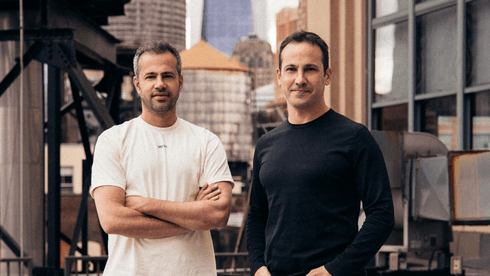
Proptech startup Venn has raised a $52 million Series B to unify the entire renting lifecycle into one intelligent platform, replacing over a dozen traditional systems and serving more than half a million tenants. As AI‑powered tools like Venn rapidly reshape property operations, real estate professionals — especially in fast‑moving markets like Florida — will need stronger education and tech‑savvy skills to stay competitive.
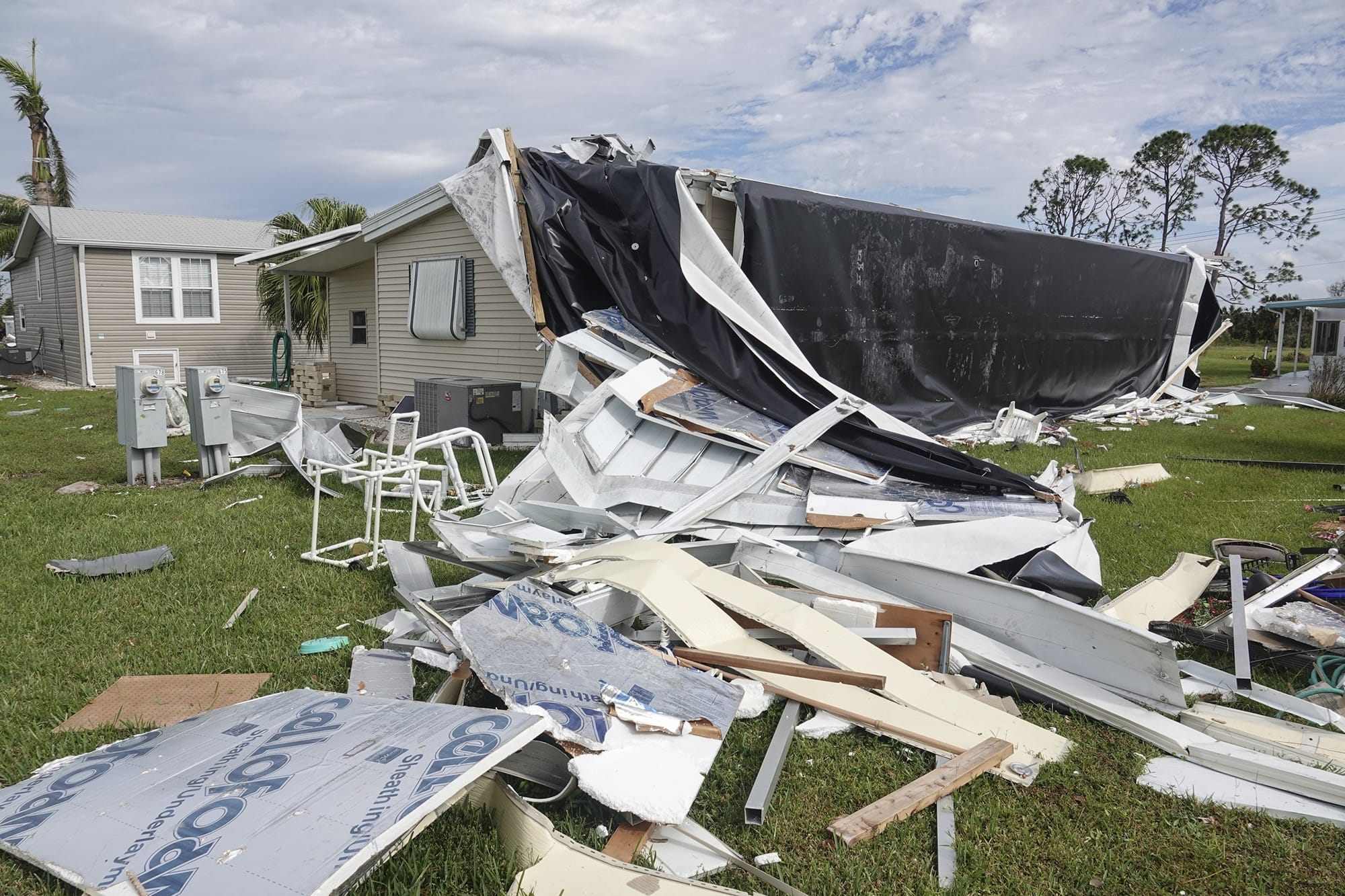
Florida’s Gulf Coast is undergoing a dramatic transformation as soaring insurance premiums, costly construction requirements, and the long shadow of Hurricane Ian force middle‑class families, workers, and longtime residents out of communities they once anchored. With premiums topping $5,700 a year — and many paying far more — Realtors warn of looming foreclosures, renters face steep increases, and entire neighborhoods are being rebuilt for wealthier newcomers. This mounting crisis is reshaping the state’s real estate landscape and leaving professionals scrambling to adapt.
Economic uncertainty, rapid tech advances and shifting population patterns are setting the stage for a pivotal year in commercial real estate. New findings from the Counselors of Real Estate, presented at NAR NXT, outline ten major forces reshaping strategy, investment and opportunity in 2026—from policy impacts and portfolio risk to AI adoption, capital flow changes, housing attainability and demographic shifts. This outlook offers clarity and caution for professionals across real estate, mortgage, finance and related fields.
Florida’s home insurance crisis is back in the spotlight as new reforms appear to be repeating decades‑old mistakes. Despite efforts to depopulate Citizens and attract private insurers, many of the companies taking over policies have ties to past insolvencies. Critics say weak oversight, generous ratings, and political influence are allowing unstable insurers to thrive while homeowners pay more for less protection. Experts warn that without transparent ratings, real accountability, and unified regulation, Florida’s insurance market will remain vulnerable—putting property values, lending, and the broader real estate industry at risk.