As the world grapples with the multifaceted impacts of climate change, a new urgency is emerging within the medical community. Experts argue that medical curricula must evolve to include comprehensive climate change education, a topic that was recently at the forefront of discussions at the Asia-Pacific forum of the World Health Summit in Melbourne. This forum highlighted the critical need for future health professionals to understand and mitigate the health impacts of global warming, which are becoming increasingly evident across all fields of human health.
Escalating Health Crisis
Jonathan Patz, a visiting professor at Monash University and a lead author for the United Nations Intergovernmental Panel on Climate Change, emphasized the severity of the situation. “Climate crisis is a human health emergency,” he stated, underscoring that climate change exacerbates nearly every type of illness. From waterborne diseases caused by extremes in the water cycle to respiratory issues linked to wildfire smoke, the pathways through which climate change impacts health are numerous and complex.
Education as a Tool for Change
Despite the increasing recognition of these issues, a 2020 survey revealed that only 15 percent of medical schools had incorporated the health impacts of climate change into their curricula. This gap in education has prompted calls from experts like Professor Patz and others to expand medical training to prepare future health professionals for the realities of climate-related health challenges. An open letter from 2022 urged educators to ensure graduates can identify, prevent, and respond to these impacts.
Global Health and Policy Implications
The forum also highlighted the broader implications of climate change on global health policies. Renzo Guinto of Duke-NUS Medical School in Singapore pointed out the mental health challenges associated with climate anxiety, particularly among young people in countries like the Philippines. He advocated for embedding climate health content into health curricula to address these emerging issues and ensure a steady supply of informed health workers.
Opportunities and Challenges
While the challenges are significant, there are also opportunities for health benefits as the world tackles the climate crisis. Professor Patz noted that addressing air pollution from fossil fuels, which accounts for over 5 million premature deaths annually according to a BMJ report, could lead to substantial health improvements.
Conclusion
As the forum concluded, the message was clear: integrating climate change education into medical curricula is not just an option but a necessity. This integration will equip future health professionals with the knowledge and skills needed to face one of the most pressing global health emergencies of our time. For more insights from the original article, visit Times Higher Education.
More Articles
Getting licensed or staying ahead in your career can be a journey—but it doesn’t have to be overwhelming. Grab your favorite coffee or tea, take a moment to relax, and browse through our articles. Whether you’re just starting out or renewing your expertise, we’ve got tips, insights, and advice to keep you moving forward. Here’s to your success—one sip and one step at a time!
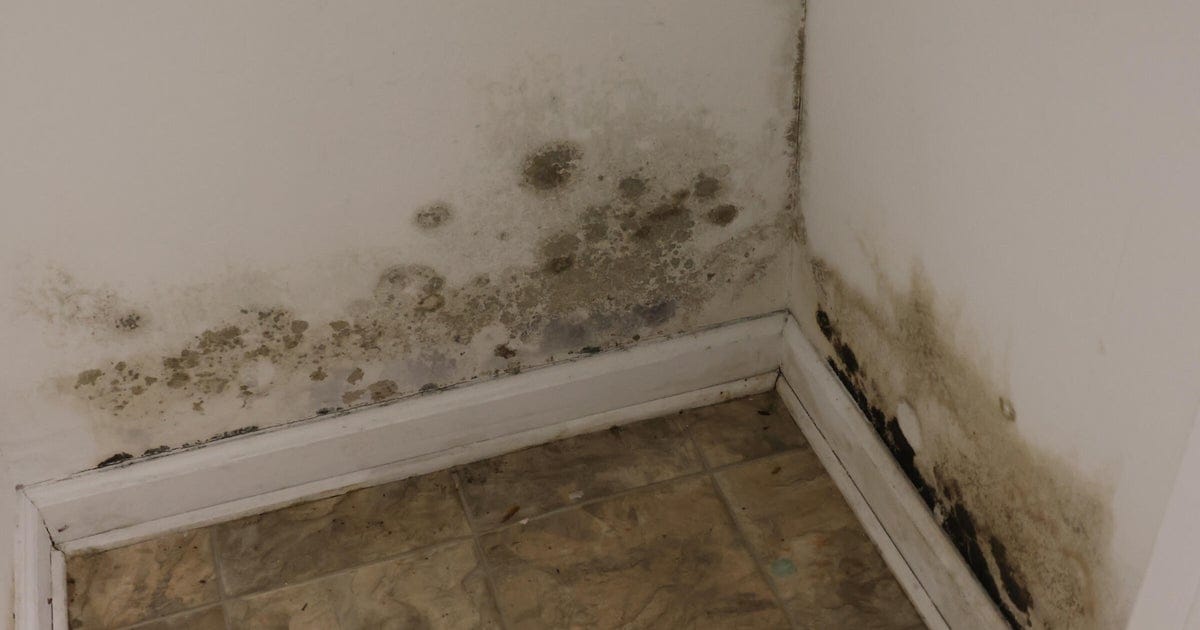
Extreme storms are triggering a surge in hidden mold growth across nearly half of U.S. homes, creating a growing health and financial emergency for families and real estate professionals. From rapid post‑storm mold development to soaring remediation costs, this silent threat is reshaping property safety, insurance challenges, and the future of housing in high‑risk regions.
A Florida consumer has filed a class action accusing Rocket Mortgage of repeatedly calling her even after confirming her opt‑out request, marking the company’s 56th TCPA‑related lawsuit. The complaint claims Rocket continued outreach for nearly three weeks—despite a STOP confirmation—and could impact more than 10,000 consumers nationwide.
Mortgage rates rose for the third straight week, reaching their highest level in a month and triggering a 5.2% drop in overall mortgage applications. Refinance activity slid 7%, purchase demand dipped 2%, and analysts say uncertainty in the bond market is keeping rates on a choppy path. Despite the pullback, today’s loan activity still sits well above last year’s lows, signaling that buyers remain active—but increasingly cautious.
Florida has approved a 6.9% reduction in workers’ compensation insurance rates for 2026, marking the ninth straight year of decreases. The cut, signed by Insurance Commissioner Mike Yaworsky, takes effect January 1 and lowers costs for all new and renewal policies. State officials say the trend reflects improved workplace safety and will help businesses reduce expenses and support growth across industries including real estate, construction, and property management.
Mortgage rates are dipping, inventory is soaring, and—for the first time in years—buyers have real leverage. While home prices remain at record highs and the economy feels unpredictable, rising inventory and cooling rates are creating rare opportunities for financially ready buyers. If you’ve been waiting for the market to open a door, this may be your moment to step through.
Miami developers are pitching 'safe spaces' for millionaires amid fears of a political shift in New York City. Concerns over higher taxes and crime are prompting some New Yorkers to consider relocating south.