“`html

In the ever-evolving world of real estate education, The CE Shop has emerged as a beacon for aspiring agents. With its competitive fees, expansive state coverage, and comprehensive resources, it stands out as the best online real estate school for August 2025, according to a detailed evaluation by Investopedia.


Investopedia’s editorial team assessed nine online real estate schools using 38 criteria, which included pricing, availability, course content, and customer satisfaction. The CE Shop’s nearly 62% pass rate, as reported by the Texas Real Estate Commission, is bolstered by a rich bank of practice questions designed to prepare students for success.


Top Contenders in Real Estate Education

While The CE Shop leads the pack, other institutions also offer noteworthy programs:

  • AceableAgent: Known for its high pass rate of 67.20%, AceableAgent offers a mobile-friendly platform with courses in 15 states. More details can be found on their website.
  • Kaplan: With a rich history dating back to 1938, Kaplan offers courses in 44 states, although it comes at a higher price point. For more information, visit their website.
  • 360Training: Known for its affordability, 360Training provides courses in 14 states, making it an attractive option for budget-conscious learners. Explore their offerings on their website.
  • Colibri Real Estate: Offering a wide range of courses across 41 states, Colibri Real Estate is another cost-effective choice. Their pass guarantee adds an extra layer of confidence for students. More details can be found on their website.

Comprehensive Evaluation

Investopedia’s rigorous evaluation process ensures that prospective students receive accurate and unbiased information to make informed decisions. By collecting over 300 data points, the research team has provided a clear picture of the online real estate education landscape.


For those looking to embark on a career in real estate, these schools offer a variety of options tailored to different needs and budgets. Whether you’re seeking affordability, extensive resources, or a high pass rate, there’s a program that aligns with your goals.

“`

More Articles

Getting licensed or staying ahead in your career can be a journey—but it doesn’t have to be overwhelming. Grab your favorite coffee or tea, take a moment to relax, and browse through our articles. Whether you’re just starting out or renewing your expertise, we’ve got tips, insights, and advice to keep you moving forward. Here’s to your success—one sip and one step at a time!

The Great Housing Reset: What Redfin Predicts for 2026

Redfin forecasts a slow but meaningful return to normalcy in the U.S. housing market starting in 2026. Instead of a crash or a rapid correction, the year marks the beginning of a “Great Housing Reset” where affordability gradually improves, mortgage rates ease into the low‑6% range, home sales tick upward, and renters, buyers, and professionals finally feel less market pressure. From wage growth outpacing home prices to rising refi activity and the rise of AI‑powered real estate tools, 2026 is shaping up to be a foundational year for real estate careers and long‑term market stability.

Climate Disasters Are Outpacing Insurance Uptake as the Global Protection Gap Nears Crisis Levels

Hurricane Melissa’s destruction in Jamaica highlights a growing global reality: climate risks are accelerating faster than insurance adoption. With more than 90% of disaster losses in developing regions going uninsured and a worldwide protection gap exceeding $1.8 trillion annually, experts warn that traditional insurance systems can no longer keep up. New models—like parametric payouts, community‑based aggregation and bundled climate tools—are emerging, but governments and corporations must step in to prevent financial shocks from destabilizing entire economies.

AI-Powered Excavators? Gravis Robotics Secures $23M to Tackle Construction’s Growing Labor Crisis

Gravis Robotics, a Zurich-based startup, just raised $23 million to bring autonomous tech to construction sites facing a massive operator shortage. As demand surges for renewable energy projects, data centers, and new housing, Gravis retrofits traditional heavy machinery with AI-driven systems that can work autonomously or via remote guidance. With trials already underway across seven countries, the company is pushing a future where humans and robots collaborate — speeding up development timelines and reshaping industries from construction to real estate.

Zillow Drops Climate Risk Scores—What It Means for Agents, Buyers, and the Future of Real Estate

Zillow has quietly removed its climate‑risk scores after months of pressure from agents, homeowners, and listing services who said the warnings were scaring off buyers. The move has sparked a national debate: Is this a win for real estate sales or a setback for consumer transparency? Critics warn that without clear climate‑risk data, families could be “flying blind” into costly surprises like insurance spikes and flood damage. As climate impacts intensify and disclosure expectations rise, real estate professionals must stay informed—because whether Zillow shows the data or not, the risks aren’t going anywhere.

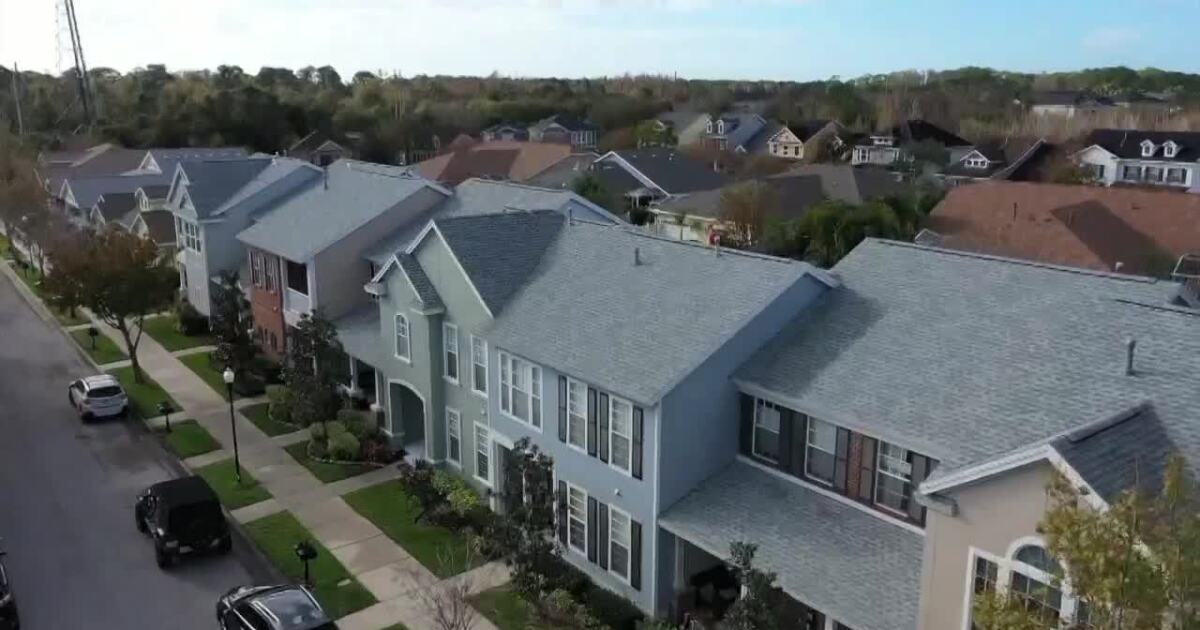
Florida’s Property Insurance Battle Heats Up as 2026 Approaches

Florida’s property insurance crisis is becoming the defining issue heading into the 2026 election season. Republicans argue that recent reforms are finally stabilizing the market, pointing to reduced litigation and cooling reinsurance costs. Democrats counter that families are still facing unbearable premiums, with condo prices dropping over 8% and Floridians paying some of the highest insurance rates in the nation. As lawmakers prepare to return to Tallahassee, the future of insurance reform is set to become the central political fight—one that will directly impact homeowners, investors, and real estate professionals across the state.

The Invisible Backbone Transforming Modern Real Estate

Connectivity has become one of the most powerful differentiators in today’s real estate market. As smart buildings, automation, and sustainability demands accelerate, fiber networks are replacing outdated copper systems and reshaping property value. With lower energy use, unified smart‑building capabilities, reduced long‑term costs, and stronger tenant satisfaction, digital infrastructure is now central to investment strategy. Real estate professionals who understand this shift gain a competitive edge as the industry moves toward cleaner, smarter, more connected buildings.