The Coming Housing Surplus: What a Demographic Wave Could Mean for the Future of Real Estate

Housing surplus analysis image

A fascinating – and admittedly sobering – real estate discussion has been circulating thanks to writer Robert Romano, whose recent piece explores the possibility of an upcoming shift from today’s tight housing supply to a future surplus. His analysis, published on Patch, digs into the demographic realities of aging Baby Boomers and the ripple effects their passing may have on the housing market.

Romano’s central argument is simple: as Boomers (born 1946–1964) naturally age out of homeownership in large numbers over the next 10–20 years, millions of homes will gradually return to the market. The result could be a significant inventory increase—potentially enough to soften prices after a decade of crushing affordability challenges.

A Housing Market Built on Two Opposites: Shortage Today, Surplus Tomorrow?

Today’s buyers face one of the most unaffordable markets in modern history. Home prices have far outpaced incomes, and construction has lagged ever since the 2008 crash. Romano highlights that current inventory sits near just 1.3 million listings nationwide, far lower than the 2.27 million peak before the 2006–2008 bubble popped.

Yet demographic math tells a different story about the coming decades. By 2040, more than 35 million Baby Boomers may no longer be part of the housing ecosystem. Combined with ongoing construction—slow but steady—Romano argues that a surplus becomes not only possible but plausible.

If demand slows due to shrinking household formation, declining marriage rates, and affordability-induced delays in family creation, prices could gradually cool. A painful present may give way to a more reasonable future.

Global Parallels: Empty Houses Abroad, Future Signal for the U.S.?

Romano points to Europe, Japan, and South Korea—nations already experiencing population decline and even ghost towns. These countries offer a preview: fewer people means more empty homes, shifting market dynamics, and changes in property values.

While the U.S. population remains comparatively stable, long-term demographic pressures are undeniably moving in the same direction.

Politics, Policy, and the Pressure of “Right Now”

Romano acknowledges that waiting for decades to “fix” the housing crisis via natural demographic change isn’t realistic. Rent is high today. Mortgage rates are high today. The median first-time homebuyer is now 40.

Policymakers face a tightrope: build aggressively to relieve current pressure, but not so aggressively that the country repeats the oversupply scenario that contributed to the 2008 crash.

And this is where understanding professional real estate markets becomes crucial for anyone building or advancing a career in the field.

Why This Matters for Real Estate Professionals and Students

Whether you’re a seasoned agent or entering the field through a licensing program, the possibility of a major shift in housing supply is career-shaping knowledge. Agents, brokers, and mortgage professionals who understand demographic-driven market cycles will be the ones advising clients most effectively over the next decade.

And for those studying real estate—especially here in Florida—schools like Cameron Academy continue empowering professionals with up-to-date licensing programs, continuing education, and real-world insights that prepare them for tomorrow’s opportunity-rich market.

Explore the Original Report

Romano’s full article offers a rich examination of demographic and housing trends, and it’s absolutely worth reading for anyone serious about understanding where the market may be headed.

Read the full Patch article →

Whether or not the U.S. truly shifts into a housing surplus, one truth stands firm: demographic forces move slowly but shape the market profoundly. The professionals who understand these forces will be the ones best prepared for the future of real estate.


More Articles

Getting licensed or staying ahead in your career can be a journey—but it doesn’t have to be overwhelming. Grab your favorite coffee or tea, take a moment to relax, and browse through our articles. Whether you’re just starting out or renewing your expertise, we’ve got tips, insights, and advice to keep you moving forward. Here’s to your success—one sip and one step at a time!

Why Today’s High Mortgage Rates Matter More Than Ever for the Housing Market

A growing share of American homeowners now carry mortgage rates above 5%—a dramatic shift that’s reshaping refinancing, inventory, and buyer behavior nationwide. With more than 30% of borrowers locked into rates over 5% and 20% above 6%, the market is split between owners holding on to low pandemic‑era loans and new buyers taking on higher‑rate mortgages. Federal efforts to push rates down could unlock millions of refinancing opportunities, while buyers see only modest monthly savings. For real estate professionals, understanding these rate dynamics is crucial as they increasingly drive inventory levels, affordability, and market activity.

CRE Deal Volume Dips in December, but Office Sector Stages an Unexpected Comeback

New Moody’s data shows commercial real estate deal volume slipped 20% in December, marking a second monthly decline. Yet the full year tells a different story: 2025 ended with a 17% gain, signaling a quiet but resilient recovery. The biggest surprise came from the office sector, which posted a 21% jump in activity as return‑to‑office trends and AI‑driven job growth boosted demand. Multifamily, retail, and alternative assets like data centers also saw strong momentum, giving real estate professionals a market full of fresh opportunities heading into 2026.

Florida Kicks Off 2026 With Major Auto Insurance Rate Cuts and Market Stability

Florida drivers and industry professionals are heading into 2026 with good news: auto insurance rates are dropping across the state as the market shows strong signs of stabilization. USAA leads the latest wave with a 7% average rate decrease expected in May 2026, saving members more than $125 million annually. They join several major insurers — including State Farm, Progressive, AAA, Allstate, and Florida Farm Bureau — all approving significant reductions. Officials credit recent legislative reforms, especially tort reform, for the improved loss ratios and renewed insurer confidence. With both auto and home insurance markets strengthening, Florida’s real estate, mortgage, and insurance professionals can expect more consumer confidence, smoother transactions, and expanding career opportunities.

The 2024 Housing Shortage: Why America Is Still 1.2 Million Homes Behind

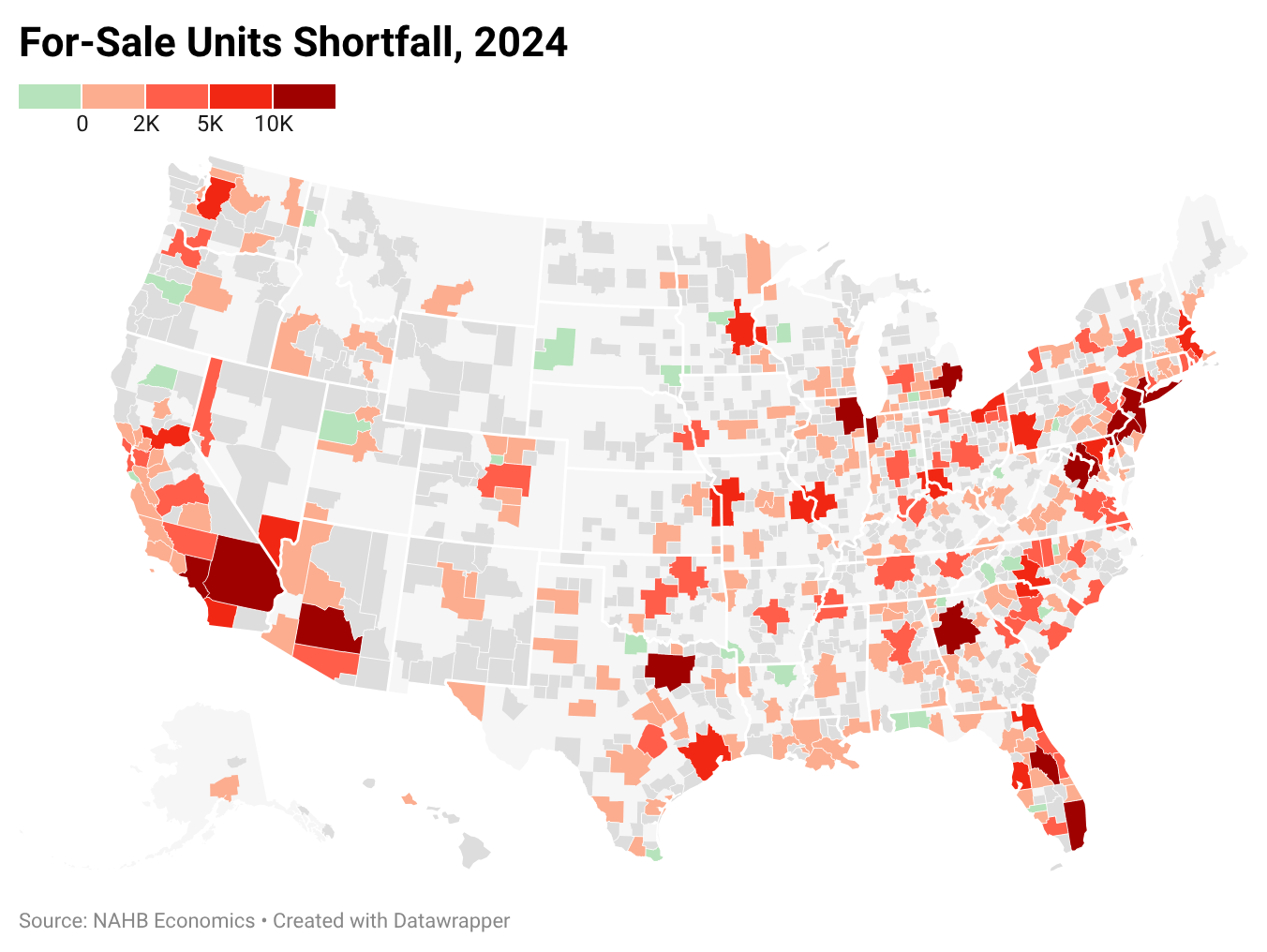
New data from Eye On Housing and the NAHB shows the U.S. remains short more than 1.2 million housing units, keeping pressure on both rents and home prices. Record‑low vacancy rates, slow single‑family construction, and restrictive zoning continue to fuel intense competition in 2024. Major metros like Chicago, New York, and Atlanta face some of the deepest deficits, and the true nationwide shortfall may be even higher when accounting for overcrowding and aging homes. For real estate professionals, the ongoing shortage means sustained demand, tighter inventory, and major opportunities for those who understand the evolving market.

AI Isn’t the Shiny Object Anymore — It’s the New System Driving Real Estate Success

Top real estate coach Jason Pantana says the divide between agents today isn’t about who has “tried” AI — it’s about who is immersed in it. In a new HousingWire interview, he explains why AI isn’t a gimmick but a full business system that amplifies output, improves authenticity, and reshapes how clients search for agents. From prompt mastery to AI‑driven visibility on Google, Pantana reveals how agents who commit even 15 minutes a day to learning AI are already outperforming those who hesitate.

DFW Commercial Real Estate 2025: Industrial Surges, Retail Shines, Office Struggles

Dallas–Fort Worth’s commercial real estate market closed 2025 with a split personality. Industrial dominated with massive new deliveries and soaring leasing demand, retail held steady with some of the market’s strongest fundamentals in years, and office continued to falter under remote‑work pressures. High vacancies, weak absorption, and rising demand for top‑tier space show the sector’s ongoing reset. Meanwhile, industrial and retail strength position the Metroplex for another powerhouse year heading into 2026.