The Coming Housing Surplus: What a Demographic Wave Could Mean for the Future of Real Estate

Housing surplus analysis image

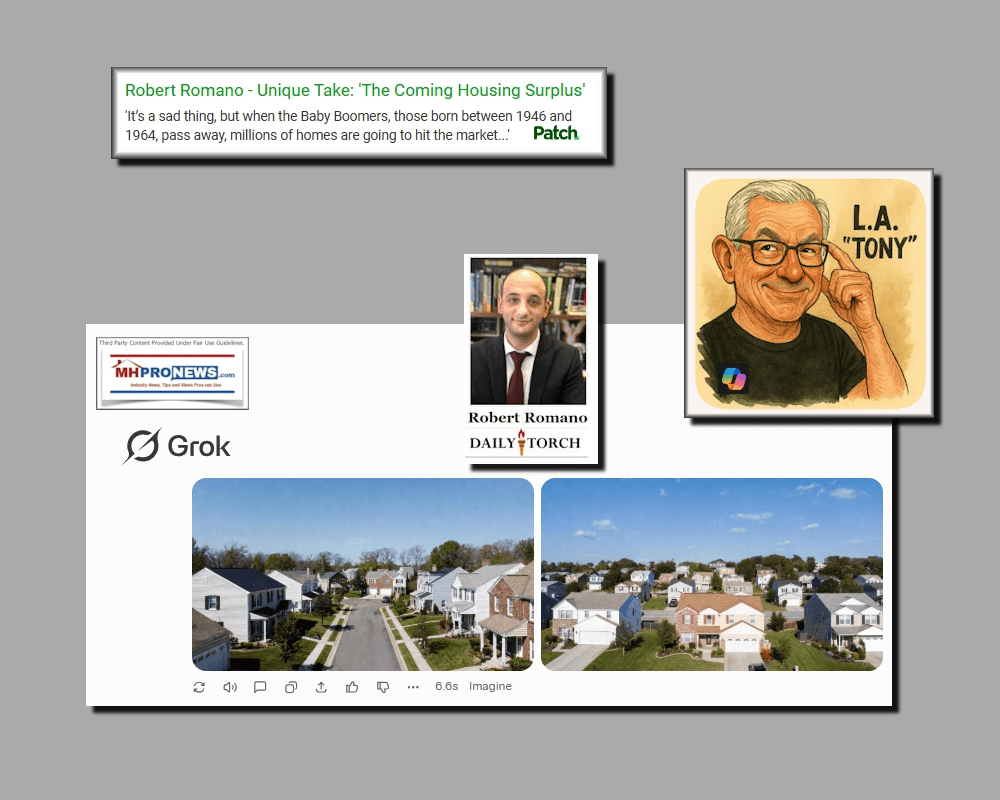
A fascinating – and admittedly sobering – real estate discussion has been circulating thanks to writer Robert Romano, whose recent piece explores the possibility of an upcoming shift from today’s tight housing supply to a future surplus. His analysis, published on Patch, digs into the demographic realities of aging Baby Boomers and the ripple effects their passing may have on the housing market.

Romano’s central argument is simple: as Boomers (born 1946–1964) naturally age out of homeownership in large numbers over the next 10–20 years, millions of homes will gradually return to the market. The result could be a significant inventory increase—potentially enough to soften prices after a decade of crushing affordability challenges.

A Housing Market Built on Two Opposites: Shortage Today, Surplus Tomorrow?

Today’s buyers face one of the most unaffordable markets in modern history. Home prices have far outpaced incomes, and construction has lagged ever since the 2008 crash. Romano highlights that current inventory sits near just 1.3 million listings nationwide, far lower than the 2.27 million peak before the 2006–2008 bubble popped.

Yet demographic math tells a different story about the coming decades. By 2040, more than 35 million Baby Boomers may no longer be part of the housing ecosystem. Combined with ongoing construction—slow but steady—Romano argues that a surplus becomes not only possible but plausible.

If demand slows due to shrinking household formation, declining marriage rates, and affordability-induced delays in family creation, prices could gradually cool. A painful present may give way to a more reasonable future.

Global Parallels: Empty Houses Abroad, Future Signal for the U.S.?

Romano points to Europe, Japan, and South Korea—nations already experiencing population decline and even ghost towns. These countries offer a preview: fewer people means more empty homes, shifting market dynamics, and changes in property values.

While the U.S. population remains comparatively stable, long-term demographic pressures are undeniably moving in the same direction.

Politics, Policy, and the Pressure of “Right Now”

Romano acknowledges that waiting for decades to “fix” the housing crisis via natural demographic change isn’t realistic. Rent is high today. Mortgage rates are high today. The median first-time homebuyer is now 40.

Policymakers face a tightrope: build aggressively to relieve current pressure, but not so aggressively that the country repeats the oversupply scenario that contributed to the 2008 crash.

And this is where understanding professional real estate markets becomes crucial for anyone building or advancing a career in the field.

Why This Matters for Real Estate Professionals and Students

Whether you’re a seasoned agent or entering the field through a licensing program, the possibility of a major shift in housing supply is career-shaping knowledge. Agents, brokers, and mortgage professionals who understand demographic-driven market cycles will be the ones advising clients most effectively over the next decade.

And for those studying real estate—especially here in Florida—schools like Cameron Academy continue empowering professionals with up-to-date licensing programs, continuing education, and real-world insights that prepare them for tomorrow’s opportunity-rich market.

Explore the Original Report

Romano’s full article offers a rich examination of demographic and housing trends, and it’s absolutely worth reading for anyone serious about understanding where the market may be headed.

Read the full Patch article →

Whether or not the U.S. truly shifts into a housing surplus, one truth stands firm: demographic forces move slowly but shape the market profoundly. The professionals who understand these forces will be the ones best prepared for the future of real estate.

More Articles

Getting licensed or staying ahead in your career can be a journey—but it doesn’t have to be overwhelming. Grab your favorite coffee or tea, take a moment to relax, and browse through our articles. Whether you’re just starting out or renewing your expertise, we’ve got tips, insights, and advice to keep you moving forward. Here’s to your success—one sip and one step at a time!

Florida’s Insurance Wake‑Up Call: Why Reading Your Policy Matters More Than You Think

Many Floridians are discovering after major hurricanes that what they assumed was covered by their insurance simply isn’t. With more than 100,000 claims denied or closed without payment and widespread confusion over gaps like flood versus hurricane coverage, experts warn that the fine print can hit harder than the storm itself. As premiums rise and policies grow more complex, understanding what’s actually protected has become essential for homeowners and real estate professionals alike.

The Strongest October Housing Market in 3 Years: What Zillow’s New Report Means for Today’s Pros

A new report from Zillow shows the U.S. just experienced its strongest October housing market since 2021, with inventory rising, affordability improving, and both new listings and pending sales up 5% year-over-year. Nineteen major markets now favor buyers—nine more than last year—as mortgage rates ease, inventory rebounds, and home values level off. For real estate professionals, especially in Florida, these shifts signal a market gaining momentum heading into 2025 and beyond.

Top Commercial Real Estate Issues to Watch in 2026

Commercial real estate is heading into 2026 with major shifts in policy, technology, investment flows, and market fundamentals. From tightening capital sources and AI-driven decision-making to nationwide housing shortages and a looming wave of maturing debt, professionals across real estate, finance, insurance, and development must adapt quickly. These trends will shape opportunities, risks, and required skills in the year ahead—making strategic education and licensing upgrades more important than ever.

Wall Street on Edge After Cyberattack Exposes Sensitive Real Estate and Mortgage Data

A major cyberattack on real‑estate data giant SitusAMC has triggered emergency responses across Wall Street, exposing sensitive loan records and legal documents tied to major banks like JPMorgan and Citigroup. While operations have been restored, the breach highlights critical weaknesses in third‑party vendors that support the nation’s real‑estate and mortgage infrastructure. Federal investigators and financial institutions are now racing to assess the fallout as experts warn of long‑term risks to the digital systems underpinning multi‑trillion‑dollar lending markets.

Australia’s Commercial Real Estate Market Is Transforming — What Professionals Need to Know Now

Australia’s commercial real estate sector is undergoing a major long‑term shift driven by hybrid work, booming logistics demand, sustainability priorities and evolving global capital flows. With the market projected to grow from USD 11.96 billion in 2024 to USD 21.03 billion by 2033, the biggest opportunities are emerging in industrial assets, ESG‑certified buildings, flexible workspaces and adaptive reuse projects. These trends echo changes developing in the U.S.—including Florida—making Australia a valuable case study for professionals watching the future of commercial real estate.

How Chat‑Based AI Is Revolutionizing Real Estate Listing Photos

A new wave of chat‑driven AI tools is transforming how agents market properties by letting them edit listing photos simply by describing what they want changed. From removing clutter to adjusting lighting or staging entire rooms, professionals can now showcase a unit’s full potential long before it’s camera‑ready. This technology boosts efficiency for property managers, enhances buyer engagement through interactive visuals, and underscores the importance of transparency as AI becomes a core part of real estate marketing.