As we look ahead to the next decade, the dynamics of housing supply and demand in the United States are poised for a dramatic shift. Population growth is slowing, leading to fewer new households and a reduced need for new homes. This pivotal change is explored in a recent article from RealEstateNews.com.

A suburban development with new homes and homes under construction

Key Insights

  • Household growth in the U.S. is on a declining trajectory, with projections indicating a further slowdown over the next two decades.
  • Within the next decade, population growth, excluding immigration, could potentially turn negative.
  • The convergence of fewer households and increased homebuilding could resolve the housing shortage, necessitating a shift in the construction industry.

The Harvard University’s Joint Center for Housing Studies report highlights that only 8.6 million new households are expected to form over the next ten years. This figure could further dwindle to 5.1 million between 2035 and 2045, marking the lowest decade of household formation in a century.

Demographic Shifts

According to U.S. Census data, the number of children under five decreased by nearly 9% from 2010 to 2020, while the senior demographic over 62 surged by over 36%. This demographic shift indicates that the aging population and reduced birth rates are expected to slow and eventually reverse native population growth, leaving future growth dependent on immigration.

Impact on Homebuilders

Despite the current housing shortage, demand for new homes is anticipated to remain robust in the short term. The report estimates 11.3 million new homes will be constructed between 2025 and 2035. However, as Gen Z and Gen Alpha, smaller cohorts than the baby boomers and millennials, become the primary homebuyers, new home construction is expected to decelerate.

The Role of Immigration

While native population trends offer a clearer forecast, immigration remains an unpredictable element. Daniel McCue, the report’s author, notes that even with higher immigration levels, household growth is projected to decline due to the decrease in natural population growth.

For a deeper dive into these findings, visit the original article on RealEstateNews.com.

More Articles

Getting licensed or staying ahead in your career can be a journey—but it doesn’t have to be overwhelming. Grab your favorite coffee or tea, take a moment to relax, and browse through our articles. Whether you’re just starting out or renewing your expertise, we’ve got tips, insights, and advice to keep you moving forward. Here’s to your success—one sip and one step at a time!

Revolutionizing Clinical Care: The Age of Genome Sequencing

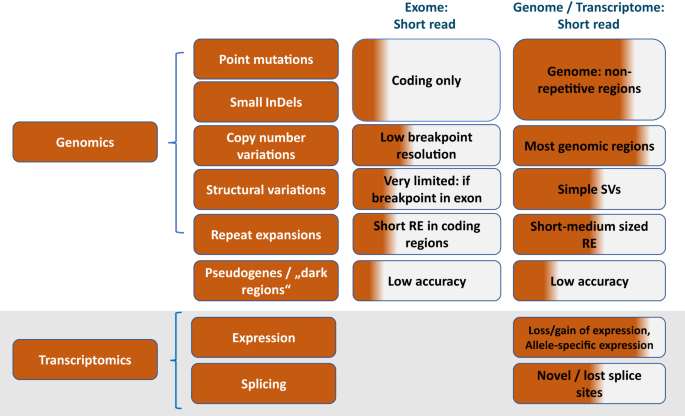
Genome sequencing is taking center stage, reshaping how we approach the diagnosis and treatment of genetic conditions.

By |January 9, 2025|Categories: Article, Genomics, Healthcare|Tags: , |0 Comments

The Future of Health-Tech in 2025

The global market is projected to surpass $200 billion, expanding at a compound annual growth rate (CAGR) of 25%. Predictive and personalized healthcare will see significant advancements in 2025.

Unveiling Flood Adaptation Disparities in the USA

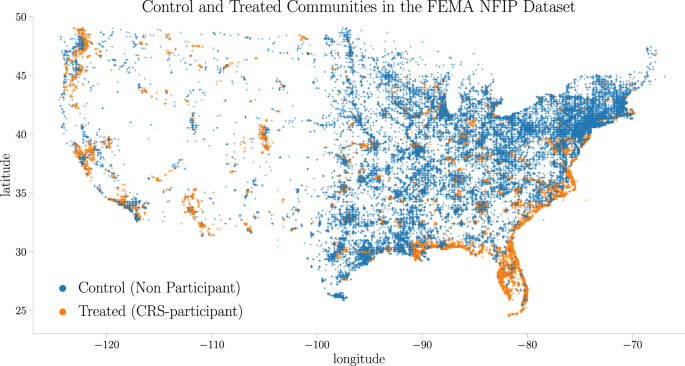
In a groundbreaking analysis published in Nature, researchers have shone a light on the stark disparities in flood adaptation across the United States, exposing significant differences in how communities access and benefit from flood adaptation measures.

Ethereum’s Serenity Upgrade Sparks Excitement and Market Optimism

Ethereum has shifted to a fully proof-of-stake consensus mechanism, drastically cutting down on the energy typically required for network maintenance.

By |January 8, 2025|Categories: Article, Cryptocurrency, Technology|Tags: , |0 Comments

AI Outperforms Human Experts in Ovarian Cancer Detection

In a groundbreaking study led by researchers at the Karolinska Institutet in Sweden, artificial intelligence (AI) has demonstrated a remarkable ability to detect ovarian cancer, surpassing the accuracy of human doctors.


By |January 8, 2025|Categories: Article, Health, Technology|Tags: , |0 Comments