As we look ahead to the next decade, the dynamics of housing supply and demand in the United States are poised for a dramatic shift. Population growth is slowing, leading to fewer new households and a reduced need for new homes. This pivotal change is explored in a recent article from RealEstateNews.com.

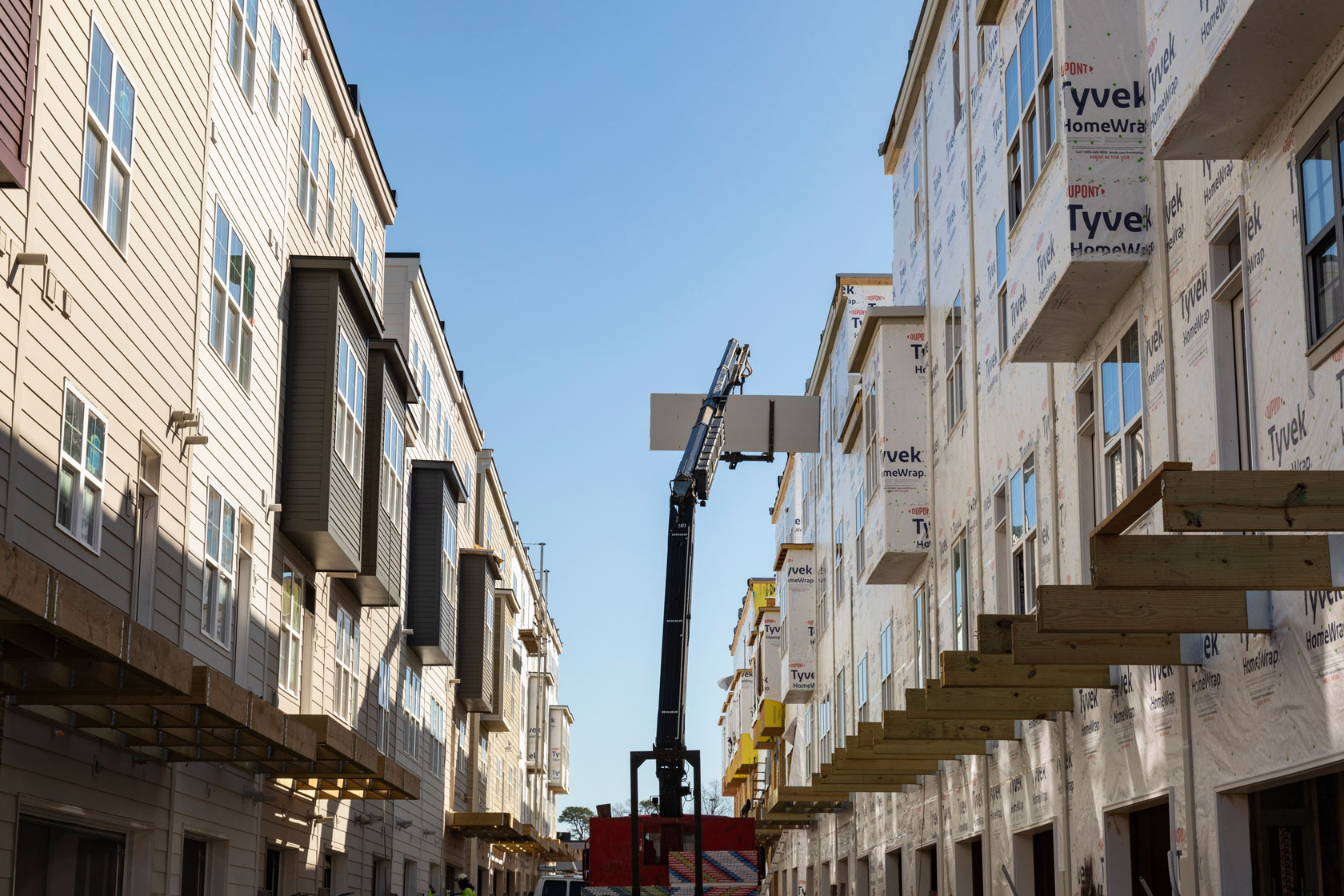
A suburban development with new homes and homes under construction

Key Insights

  • Household growth in the U.S. is on a declining trajectory, with projections indicating a further slowdown over the next two decades.
  • Within the next decade, population growth, excluding immigration, could potentially turn negative.
  • The convergence of fewer households and increased homebuilding could resolve the housing shortage, necessitating a shift in the construction industry.

The Harvard University’s Joint Center for Housing Studies report highlights that only 8.6 million new households are expected to form over the next ten years. This figure could further dwindle to 5.1 million between 2035 and 2045, marking the lowest decade of household formation in a century.

Demographic Shifts

According to U.S. Census data, the number of children under five decreased by nearly 9% from 2010 to 2020, while the senior demographic over 62 surged by over 36%. This demographic shift indicates that the aging population and reduced birth rates are expected to slow and eventually reverse native population growth, leaving future growth dependent on immigration.

Impact on Homebuilders

Despite the current housing shortage, demand for new homes is anticipated to remain robust in the short term. The report estimates 11.3 million new homes will be constructed between 2025 and 2035. However, as Gen Z and Gen Alpha, smaller cohorts than the baby boomers and millennials, become the primary homebuyers, new home construction is expected to decelerate.

The Role of Immigration

While native population trends offer a clearer forecast, immigration remains an unpredictable element. Daniel McCue, the report’s author, notes that even with higher immigration levels, household growth is projected to decline due to the decrease in natural population growth.

For a deeper dive into these findings, visit the original article on RealEstateNews.com.

More Articles

Getting licensed or staying ahead in your career can be a journey—but it doesn’t have to be overwhelming. Grab your favorite coffee or tea, take a moment to relax, and browse through our articles. Whether you’re just starting out or renewing your expertise, we’ve got tips, insights, and advice to keep you moving forward. Here’s to your success—one sip and one step at a time!

Surviving the Storm: Navigating Insurance and FEMA After Hurricane Helene

In the aftermath of Hurricane Helene, homeowners in North Carolina face the daunting challenge of securing compensation from insurance companies and the federal government. The process can be both infuriating and baffling, yet it is essential for recovery.

Tackling America’s Housing Affordability Crisis: The Power of Zoning Reform

Nearly half of all rental households in America are cost-burdened, spending over 30% of their income on rent. This financial strain is even more pronounced in areas with strong employment growth, where housing costs are highest. The paradox is clear: regions with the most economic opportunities present the greatest barriers to affordable housing.

By |October 14, 2024|Categories: Article, Housing, Policy Reform|Tags: , |0 Comments

Deloitte’s 2025 Commercial Real Estate Outlook: Opportunities and Challenges

The 2025 commercial real estate outlook presents a generational opportunity for organizations to redefine their strategies and embrace the future.

AI’s Role in Shaping Our Work Lives

The potential for AI to affect wage structures and income inequality is another critical discussion point. While AI could enhance productivity, it might also concentrate benefits among a select group.

By |October 14, 2024|Categories: Article, Artificial Intelligence, Future of Work|Tags: , |0 Comments

Tokenization: Reshaping Financial Landscapes

The advent of blockchain technology and decentralized finance (DeFi) is revolutionizing how we perceive and interact with financial markets. Central to this transformation is the concept of tokenization, a process that converts assets into digital tokens on a blockchain, enhancing security, accessibility, and liquidity.

By |October 14, 2024|Categories: Article, Finance, Technology|Tags: , |0 Comments

Revolutionizing Real Estate: The AI and Blockchain Advantage

The marriage of AI and blockchain promises to streamline transaction processing, significantly reducing paperwork and processing time. This newfound efficiency allows agents to handle more deals at their own pace, enhancing productivity and client satisfaction.

By |October 14, 2024|Categories: Article, Real Estate, Technology|Tags: |0 Comments