The Coming Vacant Home Crisis in an Aging, Low Birth Rate Society
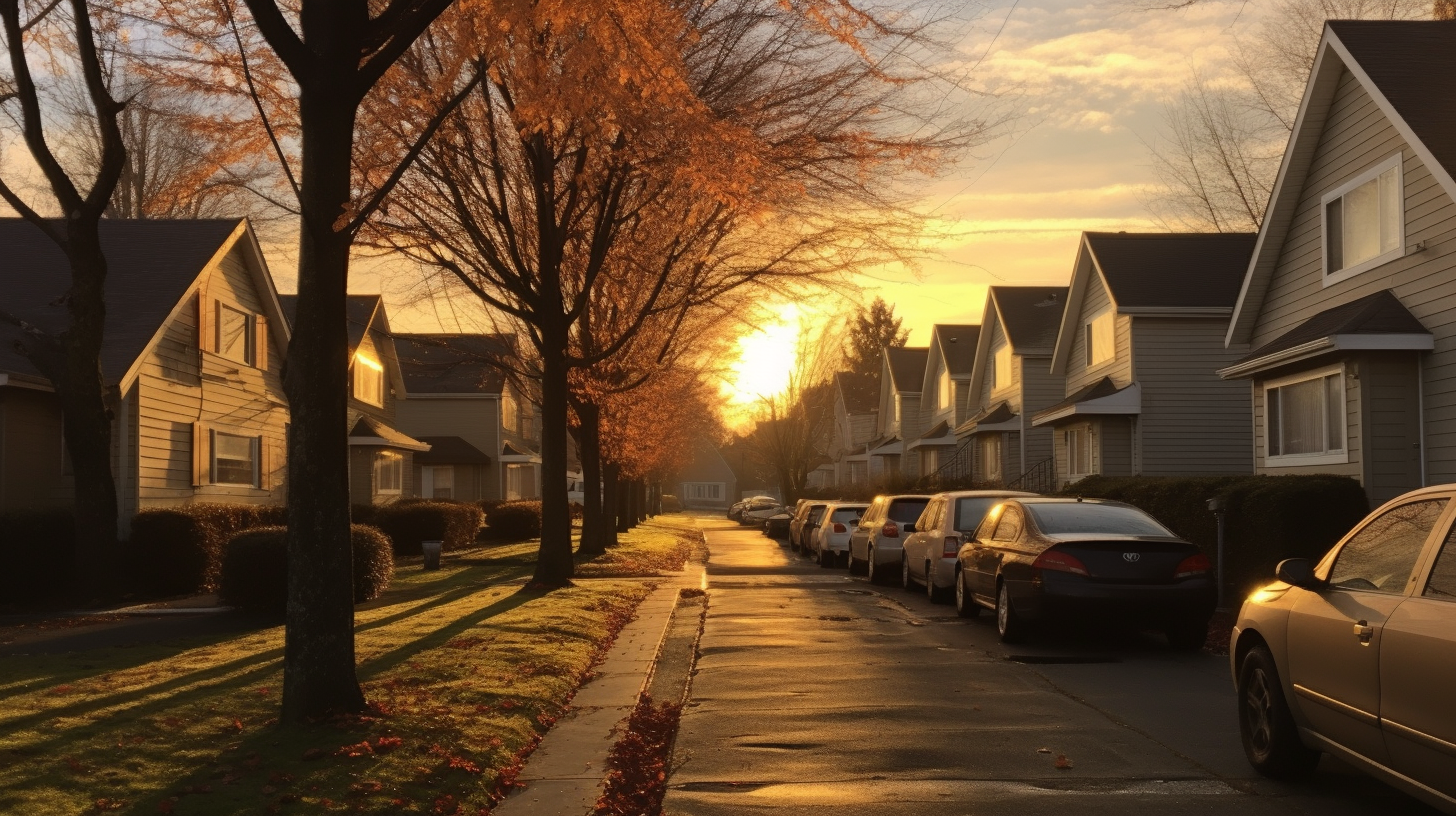
Japan is facing an extraordinary housing crisis, not due to a lack of homes, but because of an overwhelming abundance of them. Currently, there are nine million vacant homes across the country, a figure that exceeds the population of New York City. These empty homes, known as akiya, are no longer just a rural issue but have become a common sight in bustling urban centers like Tokyo and Kyoto.
As Japan grapples with this paradox, the world should take note. The issues of akiya and the demographic trends driving them are not unique to Japan. Countries globally are beginning to experience similar challenges due to low birth rates and an aging population. This shift threatens the vibrancy of even the most dynamic societies, leading to urban decay and reduced economic activity.
Unraveling Japan’s Vacant Home Dilemma
The demographic trends in Japan have been alarming for decades. The country, facing one of the steepest population declines in the developed world, saw a decrease of over 800,000 individuals in 2022 alone. This decline directly impacts the housing market, leading to an increase in vacant properties.
Economically, tax policies inadvertently encourage property owners to leave homes empty rather than redevelop them. Socially, younger generations are moving to urban centers, leaving rural homes abandoned. This migration results in a generational disconnect from rural life, contributing heavily to the abandonment of these homes.
The Urban Spread and Changing Dynamics of Supply and Demand
The phenomenon of vacant homes has spread to urban centers, affecting cities like Tokyo and Kyoto. This shift complicates government efforts in housing market stabilization and urban planning. Jeffrey Hall, a lecturer at Kanda University of International Studies, notes that the rise in urban vacant homes is due to alarming demographic trends rather than an oversupply. Yuki Akiyama, a professor at Tokyo City University, highlights the safety risks these vacant homes pose, especially during natural disasters.
Government and Community Challenges
The Japanese government faces significant hurdles in addressing vacant homes, especially in rural areas. Existing tax policies provide little incentive for owners to demolish or renovate unoccupied homes. Vacant properties also pose safety risks during natural disasters and stall regional development.
Solutions and Innovations
Innovative solutions are being sought to mitigate the impact of vacant homes. Yuki Akiyama has developed an AI program to identify areas most vulnerable to akiya accumulation. Other solutions include adaptive reuse projects, tax incentives, and simplified ownership transfer laws.
Internationally, Japan’s strategies could serve as a model for other nations facing similar demographic challenges. By looking both inward for innovative solutions and outward for international inspiration, Japan can better address the complex issue of vacant homes.
Addressing Japan’s Vacant Home Crisis in a Global Context
The vacant home crisis in Japan presents a multifaceted challenge with deep social, economic, and cultural implications. As Japan continues to confront these challenges, the situation presents critical lessons for the rest of the world. Many countries are beginning to experience similar demographic shifts, and Japan’s approach could serve as a valuable model.
Japan’s experience with akiya is not just a national issue but a harbinger of global changes. How Japan navigates this crisis could provide valuable lessons for other countries soon to face similar issues, making it essential for global leaders to observe and learn from Japan’s innovations and responses.
More Articles
Getting licensed or staying ahead in your career can be a journey—but it doesn’t have to be overwhelming. Grab your favorite coffee or tea, take a moment to relax, and browse through our articles. Whether you’re just starting out or renewing your expertise, we’ve got tips, insights, and advice to keep you moving forward. Here’s to your success—one sip and one step at a time!
The advent of Artificial Intelligence (AI) has ushered in a new era in the realm of property valuation and appraisal. AI, a formidable tool capable of swiftly analyzing vast amounts of data, provides real-time insights into property values. However, the importance of human expertise in interpreting data and making informed judgments cannot be undermined. A blend of AI and human judgment ensures accurate and reliable property valuations. AI has also made significant strides in the development of valuation products for Home Equity Lines of Credit (HELOCs) and second-lien mortgages. These products leverage AI technology to assess risk more effectively, providing lenders with a comprehensive understanding of the property's value. As AI continues to evolve, we can expect further advancements in the property valuation and appraisal process. The future of property valuations lies in the synergy between AI and human expertise, ensuring accurate, reliable, and contextually informed property valuations.
The U.S. housing market has experienced a significant surge in home prices, marking the largest annual increase since February 2023. In August alone, home prices recorded a remarkable 3.7% gain. While this upward trend has been observed across the country, there are specific housing markets where prices are projected to decline. In this article, we explore the factors driving the rise in home prices and delve into the markets that are likely to experience price drops. Join us as we navigate through the intricacies of the housing market, uncovering the driving forces behind the price increase and shedding light on the markets where caution may be warranted.
The real estate industry is abuzz with the news of RE/MAX's proposed agreement that effectively ends the National Association of Realtors (NAR) membership requirement and commission rule. This groundbreaking settlement has far-reaching implications for RE/MAX agents and franchisees, as well as the broader real estate industry. The proposed settlement by RE/MAX marks a significant departure from the status quo. By eliminating the NAR membership requirement and commission rule, RE/MAX is paving the way for a more open and competitive real estate market. This move has the potential to disrupt long-standing practices and reshape the industry as we know it.
Chase Bank has made a groundbreaking decision to accept cryptocurrencies, including SHIB and XRP, as a form of payment for mortgage loans. This move marks a significant milestone in the mainstream adoption of digital currencies. It offers numerous benefits for both customers and Chase Bank, providing a convenient and efficient way to make mortgage payments and attracting tech-savvy customers. However, it also comes with risks due to the volatility of digital currencies. This development has the potential to reshape the financial industry and the way we think about mortgage payments. Explore more about finance and technology with Cameron Academy's online career education courses.
Fannie Mae, a government-sponsored enterprise, has launched a new initiative to expand homeownership opportunities. This initiative introduces a 5% down payment option, revolutionizing the traditional requirements for purchasing multifamily homes. The program offers aspiring homeowners and investors the chance to secure a multifamily property with just a 5% down payment. This reduced requirement breaks down the barriers that have hindered many individuals from entering the multifamily housing market. The program is available for both owner-occupied and non-owner-occupied multifamily properties, offering flexibility for investors and homeowners alike. Discover how Fannie Mae's 5% down payment option can help you achieve your dream of owning a multifamily property. Contact our team today to learn more about Fannie Mae's 5% down payment option and find the perfect multifamily property for your needs.
In a surprising turn of events, Redfin, a prominent real estate brokerage, has made the decision to sever ties with the National Association of Realtors (NAR). This move has sparked a wave of reactions within the industry, with experts weighing in on the potential implications for the real estate market. Redfin's criticism of NAR's rules and regulations stems from their belief in the need for innovation and competition in the real estate market. The industry's response to the Redfin-NAR split has been mixed. Some industry experts view this split as a positive development that will foster healthy competition and drive innovation in the real estate market. However, not everyone shares this optimistic outlook. Critics argue that the split could potentially undermine the stability and unity of the real estate market. The Redfin-NAR split has far-reaching implications for the future of the real estate industry. It highlights the ongoing tensions and debates surrounding the role of traditional brokerages versus emerging online platforms. The split also raises important questions about industry regulations and the balance between competition and cooperation.