The Coming Vacant Home Crisis in an Aging, Low Birth Rate Society
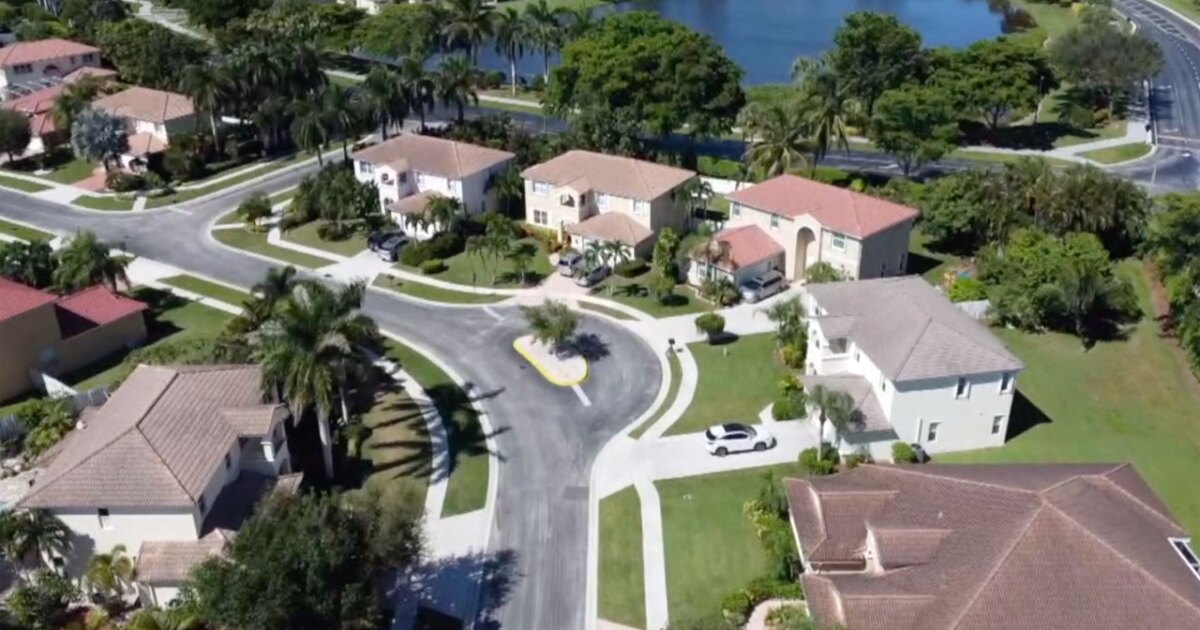
Japan is facing an extraordinary housing crisis, not due to a lack of homes, but because of an overwhelming abundance of them. Currently, there are nine million vacant homes across the country, a figure that exceeds the population of New York City. These empty homes, known as akiya, are no longer just a rural issue but have become a common sight in bustling urban centers like Tokyo and Kyoto.
As Japan grapples with this paradox, the world should take note. The issues of akiya and the demographic trends driving them are not unique to Japan. Countries globally are beginning to experience similar challenges due to low birth rates and an aging population. This shift threatens the vibrancy of even the most dynamic societies, leading to urban decay and reduced economic activity.
Unraveling Japan’s Vacant Home Dilemma
The demographic trends in Japan have been alarming for decades. The country, facing one of the steepest population declines in the developed world, saw a decrease of over 800,000 individuals in 2022 alone. This decline directly impacts the housing market, leading to an increase in vacant properties.
Economically, tax policies inadvertently encourage property owners to leave homes empty rather than redevelop them. Socially, younger generations are moving to urban centers, leaving rural homes abandoned. This migration results in a generational disconnect from rural life, contributing heavily to the abandonment of these homes.
The Urban Spread and Changing Dynamics of Supply and Demand
The phenomenon of vacant homes has spread to urban centers, affecting cities like Tokyo and Kyoto. This shift complicates government efforts in housing market stabilization and urban planning. Jeffrey Hall, a lecturer at Kanda University of International Studies, notes that the rise in urban vacant homes is due to alarming demographic trends rather than an oversupply. Yuki Akiyama, a professor at Tokyo City University, highlights the safety risks these vacant homes pose, especially during natural disasters.
Government and Community Challenges
The Japanese government faces significant hurdles in addressing vacant homes, especially in rural areas. Existing tax policies provide little incentive for owners to demolish or renovate unoccupied homes. Vacant properties also pose safety risks during natural disasters and stall regional development.
Solutions and Innovations
Innovative solutions are being sought to mitigate the impact of vacant homes. Yuki Akiyama has developed an AI program to identify areas most vulnerable to akiya accumulation. Other solutions include adaptive reuse projects, tax incentives, and simplified ownership transfer laws.
Internationally, Japan’s strategies could serve as a model for other nations facing similar demographic challenges. By looking both inward for innovative solutions and outward for international inspiration, Japan can better address the complex issue of vacant homes.
Addressing Japan’s Vacant Home Crisis in a Global Context
The vacant home crisis in Japan presents a multifaceted challenge with deep social, economic, and cultural implications. As Japan continues to confront these challenges, the situation presents critical lessons for the rest of the world. Many countries are beginning to experience similar demographic shifts, and Japan’s approach could serve as a valuable model.
Japan’s experience with akiya is not just a national issue but a harbinger of global changes. How Japan navigates this crisis could provide valuable lessons for other countries soon to face similar issues, making it essential for global leaders to observe and learn from Japan’s innovations and responses.
More Articles
Getting licensed or staying ahead in your career can be a journey—but it doesn’t have to be overwhelming. Grab your favorite coffee or tea, take a moment to relax, and browse through our articles. Whether you’re just starting out or renewing your expertise, we’ve got tips, insights, and advice to keep you moving forward. Here’s to your success—one sip and one step at a time!
Florida’s home insurance market is experiencing a wave of optimism as recent litigation reforms lead to fewer lawsuits, stronger insurer stability, and even rate reductions. With companies like Florida Peninsula lowering premiums and 17 new insurers entering the state, real estate, mortgage, and insurance professionals can expect smoother transactions, increased buyer confidence, and a more competitive market environment in the year ahead.
Mortgage rates have dipped to levels not seen since 2022, with the 30‑year fixed averaging just 6.361% and Freddie Mac reporting an even lower 6.06%. The drop is reshaping buyer affordability, sparking renewed market activity, and creating fresh opportunities for real estate professionals—especially in fast‑moving markets like Florida.
The 2026 housing market is shaping up to be one of the most pivotal in years, with mortgage rates showing slight relief, affordability shifting toward the Midwest and South, and buyers turning to options like ARMs and new‑construction homes. Early signals point to new opportunities for buyers, investors, and real‑estate professionals—especially those ready to navigate a market defined by moderate rate drops, regional affordability gaps, and builder‑driven incentives.
Ares Commercial Real Estate CEO Bryan Donohoe sold US$107k in shares this week, trimming his stake by 13% and adding to a pattern of insider selling with no insider purchases in the past 12 months. With insider ownership sitting at a modest 1.6%, the activity signals a cautious tone inside the company—something real estate, mortgage, and finance professionals may want to watch as they assess broader market confidence.
Florida’s 2026 legislative session is officially underway, launching a wave of high‑impact bills targeting property insurance reform, a proposal to eliminate property taxes, new education attendance requirements, and even an AI Bill of Rights. With over a hundred bills already filed, real estate agents, investors, insurers, educators, and other licensed professionals can expect significant regulatory shifts that may reshape Florida’s housing market, insurance costs, and professional compliance standards.
Warren Buffett’s timeless investing wisdom is more relevant than ever in 2026. Despite decades of market change, his core lesson remains the same: long‑term conviction outperforms short‑term prediction. From embracing occasional underperformance to avoiding emotional decisions, Buffett’s philosophy highlights why deep understanding and steady confidence are more valuable than trying to forecast market swings. This mindset isn’t just for investors—it’s a guiding principle for professionals looking to grow their careers with clarity and purpose.