The Coming Vacant Home Crisis in an Aging, Low Birth Rate Society
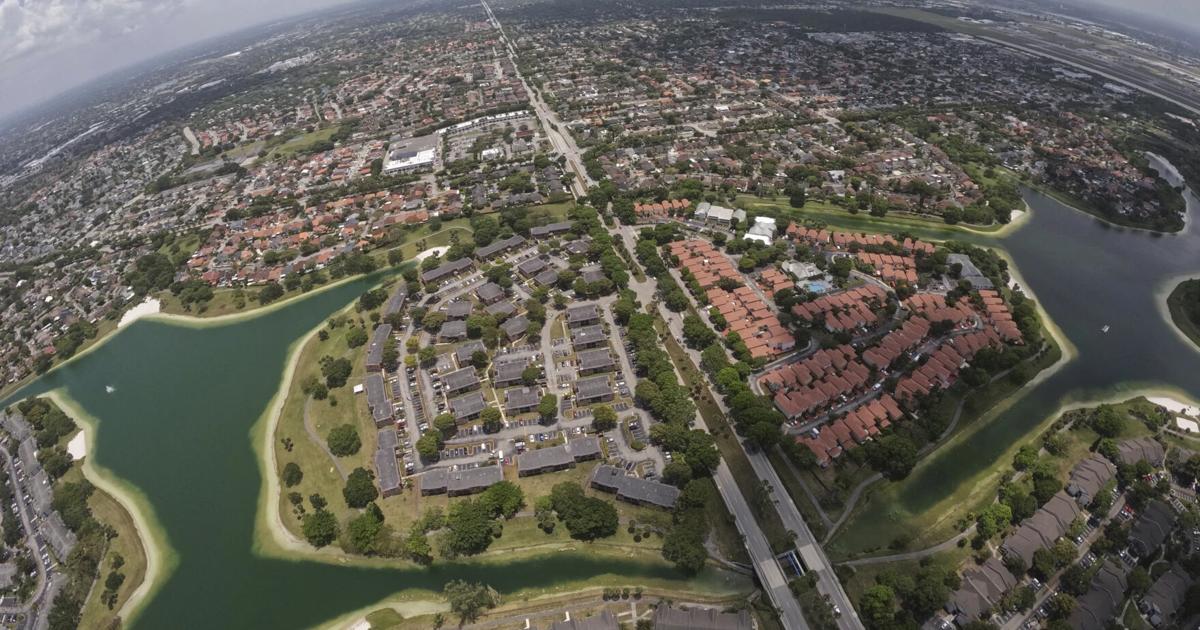
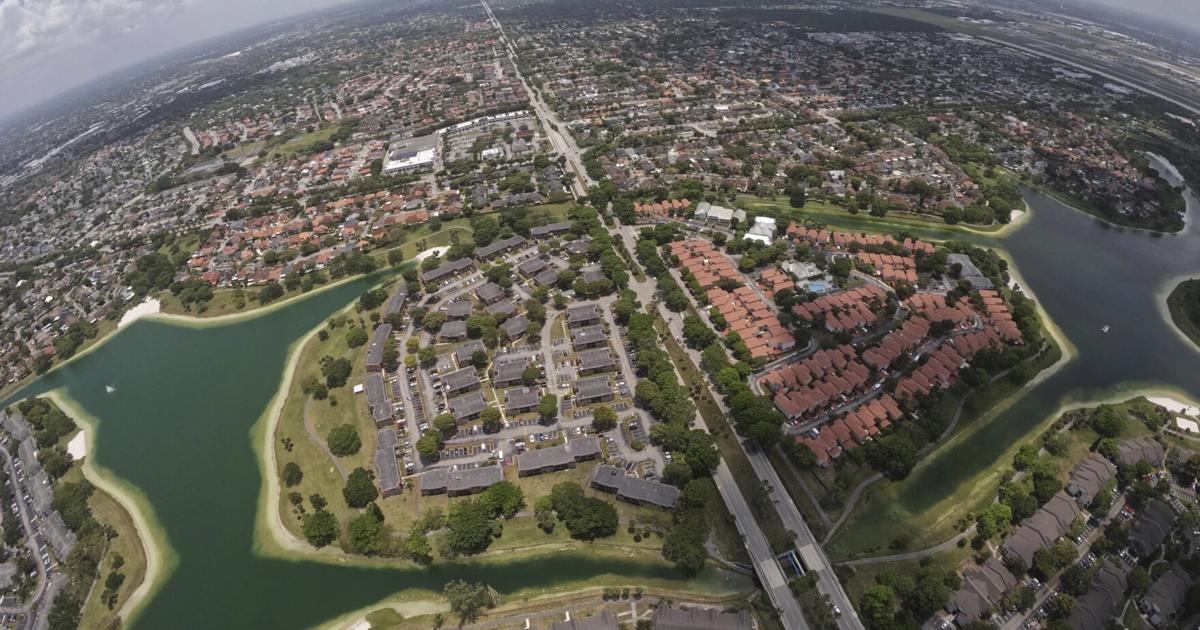
Japan is facing an extraordinary housing crisis, not due to a lack of homes, but because of an overwhelming abundance of them. Currently, there are nine million vacant homes across the country, a figure that exceeds the population of New York City. These empty homes, known as akiya, are no longer just a rural issue but have become a common sight in bustling urban centers like Tokyo and Kyoto.
As Japan grapples with this paradox, the world should take note. The issues of akiya and the demographic trends driving them are not unique to Japan. Countries globally are beginning to experience similar challenges due to low birth rates and an aging population. This shift threatens the vibrancy of even the most dynamic societies, leading to urban decay and reduced economic activity.
Unraveling Japan’s Vacant Home Dilemma
The demographic trends in Japan have been alarming for decades. The country, facing one of the steepest population declines in the developed world, saw a decrease of over 800,000 individuals in 2022 alone. This decline directly impacts the housing market, leading to an increase in vacant properties.
Economically, tax policies inadvertently encourage property owners to leave homes empty rather than redevelop them. Socially, younger generations are moving to urban centers, leaving rural homes abandoned. This migration results in a generational disconnect from rural life, contributing heavily to the abandonment of these homes.
The Urban Spread and Changing Dynamics of Supply and Demand
The phenomenon of vacant homes has spread to urban centers, affecting cities like Tokyo and Kyoto. This shift complicates government efforts in housing market stabilization and urban planning. Jeffrey Hall, a lecturer at Kanda University of International Studies, notes that the rise in urban vacant homes is due to alarming demographic trends rather than an oversupply. Yuki Akiyama, a professor at Tokyo City University, highlights the safety risks these vacant homes pose, especially during natural disasters.
Government and Community Challenges
The Japanese government faces significant hurdles in addressing vacant homes, especially in rural areas. Existing tax policies provide little incentive for owners to demolish or renovate unoccupied homes. Vacant properties also pose safety risks during natural disasters and stall regional development.
Solutions and Innovations
Innovative solutions are being sought to mitigate the impact of vacant homes. Yuki Akiyama has developed an AI program to identify areas most vulnerable to akiya accumulation. Other solutions include adaptive reuse projects, tax incentives, and simplified ownership transfer laws.
Internationally, Japan’s strategies could serve as a model for other nations facing similar demographic challenges. By looking both inward for innovative solutions and outward for international inspiration, Japan can better address the complex issue of vacant homes.
Addressing Japan’s Vacant Home Crisis in a Global Context
The vacant home crisis in Japan presents a multifaceted challenge with deep social, economic, and cultural implications. As Japan continues to confront these challenges, the situation presents critical lessons for the rest of the world. Many countries are beginning to experience similar demographic shifts, and Japan’s approach could serve as a valuable model.
Japan’s experience with akiya is not just a national issue but a harbinger of global changes. How Japan navigates this crisis could provide valuable lessons for other countries soon to face similar issues, making it essential for global leaders to observe and learn from Japan’s innovations and responses.
More Articles
Getting licensed or staying ahead in your career can be a journey—but it doesn’t have to be overwhelming. Grab your favorite coffee or tea, take a moment to relax, and browse through our articles. Whether you’re just starting out or renewing your expertise, we’ve got tips, insights, and advice to keep you moving forward. Here’s to your success—one sip and one step at a time!
Lower interest rates, improving buyer confidence, and a resilient job market are setting the stage for a stronger South Florida real estate landscape in 2026. After a steadier‑than‑expected 2025, single‑family homes remain competitive, condos are stabilizing despite regulatory pressures, and commercial real estate continues to outperform national trends — giving industry professionals plenty to watch in the year ahead.
Economists across the housing industry are signaling that 2026 may finally bring a true market rebalance. With mortgage rates expected to ease, inventory slowly expanding and affordability showing its first real improvement in years, home sales could climb by 14% nationwide. Prices are projected to rise only modestly, builders are ramping up cautiously and shifting demographics are reshaping who’s buying—and what they’re looking for. For real estate and finance professionals, this more active and balanced landscape sets the stage for a strong year of opportunity.
South Florida enters 2026 with renewed confidence as easing mortgage rates, a solid job market, and stabilizing housing trends breathe life back into both single‑family and condo sectors. After an uneven 2025 marked by high costs and condo‑related challenges, lower borrowing rates are drawing buyers back, encouraging more homeowners to list, and positioning the region for a more balanced — though still competitive — year ahead.
The U.S. real estate landscape is entering a defining year, driven by AI innovation, reimagined office spaces, immersive retail, and resilient industrial growth. Investors are becoming more selective, while ESG expectations are solidifying into essential standards for value and tenant demand. For professionals looking to stay competitive in 2026, understanding these shifts—and upskilling accordingly—will be key to navigating an industry rapidly transforming in real time.
Conforming mortgage credit has dropped to its lowest level since the MBA began tracking it in 2011, signaling a major tightening in loan options as 2026 begins. December’s Mortgage Credit Availability Index fell 2.6%, driven by shrinking ARM offerings, fewer cash‑out refi programs, and stricter documentation requirements. With conforming loans seeing the sharpest decline—down 3.8%—both buyers and mortgage professionals face a more challenging lending landscape that demands stronger financial profiles and up‑to‑date industry knowledge.
A new NAR outlook shows that first-time buyers may finally be gaining traction in 2026 as rising inventory, easing rates, and creative financing strategies open long-awaited pathways into homeownership. From ARMs and government-backed loans to family support, grants, and co-buying, younger buyers are finding new ways to “make the math work.” Builders are also stepping in with incentives and expanded townhome construction, signaling a slow but meaningful shift toward improved affordability.