In the heart of America’s industrial north, a battle for racial justice unfolded in the classrooms of Detroit, Michigan. This struggle, chronicled in Michelle Adams’s compelling new book, “The Containment: Detroit, the Supreme Court, and the Battle for Racial Justice in the North,” reveals the complex web of policies and practices that thwarted efforts to integrate the city’s schools.
Despite Michigan’s early prohibition of segregation in public education, Detroit’s schools remained starkly divided along racial lines, even twenty years after the landmark Brown v. Board of Education decision. Adams’s book explores how this segregation was not the result of explicit laws but rather a byproduct of the city’s neighborhood school model, where racial boundaries were drawn by longstanding policies of containment.
These containment strategies included racially restrictive covenants, redlining, and segregated public housing, which confined Black residents to certain areas, perpetuating a cycle of educational inequity. As Adams eloquently argues, these policies were not just about housing but were deeply intertwined with the educational opportunities available to Black children.
The book also delves into the legal battle initiated by the N.A.A.C.P. in 1970, aiming to desegregate Detroit’s schools. This lawsuit brought together unlikely allies, including the Citizens Committee for Better Education (C.C.B.E.), which initially opposed the N.A.A.C.P.’s efforts. However, as the case progressed, the C.C.B.E. shifted its stance, arguing that the burden of integration should not fall solely on Detroit’s white residents who couldn’t afford to move to the suburbs.
Adams’s narrative captures the complexity of this struggle, highlighting how issues of class and race intersected in the fight for civil rights. Her work draws comparisons to J. Anthony Lukas’s celebrated “Common Ground”, which examined similar themes in Boston.
This poignant examination of Detroit’s history is not just a story of the past but a reflection on the ongoing challenges of racial integration in American schools today. The book’s insights resonate with current debates over educational equity and civil rights, making it a crucial read for understanding the persistent divides in U.S. society.
For those interested in exploring this topic further, the original article by Jeffrey Toobin in The New York Times provides a detailed review of Adams’s work, capturing the essence of this significant historical account.
More Articles
Getting licensed or staying ahead in your career can be a journey—but it doesn’t have to be overwhelming. Grab your favorite coffee or tea, take a moment to relax, and browse through our articles. Whether you’re just starting out or renewing your expertise, we’ve got tips, insights, and advice to keep you moving forward. Here’s to your success—one sip and one step at a time!
The financial landscape in South Korea is poised for a seismic shift as KBank, a major digital bank, grapples with a legislative curveball. The bank, which is heavily reliant on deposits from Upbit, Korea’s dominant cryptocurrency exchange, is facing a potential profit squeeze. The new Virtual Asset User Protection Act, set to take effect on July 19, 2024, mandates that banks must pay interest on crypto exchange deposits, a move that could severely impact KBank's bottom line.
AI's ability to analyze vast amounts of data is paving the way for a profound change in medical diagnostics. Khosla predicted that AI could take over up to 80% of standard medical tasks, reducing errors and biases in human diagnosis. This is particularly evident in fields like radiology and pathology, where AI's proficiency in analyzing medical imaging allows for the early detection of diseases such as cancer, significantly improving treatment outcomes.
The COVID-19 pandemic has dramatically reshaped the housing market landscape, resulting in an unprecedented surge in home prices throughout the United States.
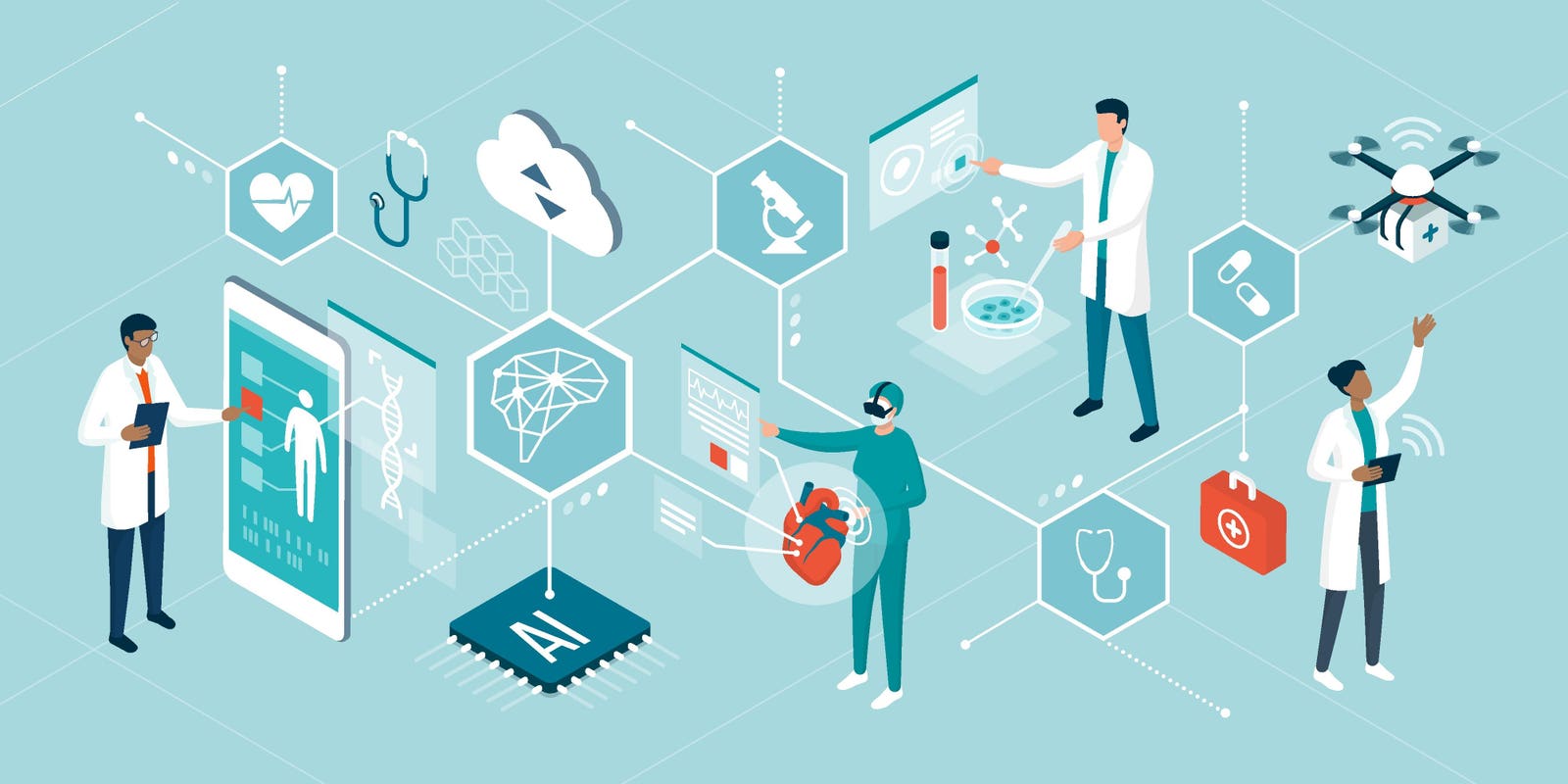
In a world where technology is rapidly evolving, artificial intelligence (AI) is proving to be a game-changer in the healthcare sector. AI-powered tools are improving patient outcomes, enhancing operational efficiency, and reducing costs, reshaping the very fabric of healthcare delivery.
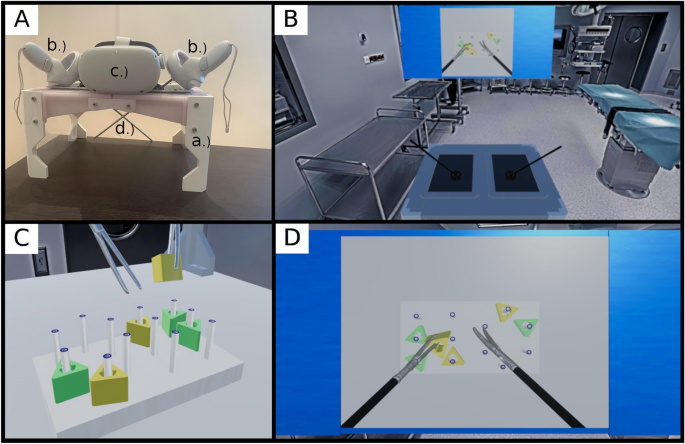
In a groundbreaking study published by Nature, researchers have unveiled a novel approach to surgical training using a low-fidelity virtual reality (VR) simulator enhanced with artificial intelligence (AI) for objective assessment. This pioneering method is poised to transform how medical students acquire laparoscopic skills, offering a cost-effective and efficient alternative to traditional training models.
AI in healthcare is projected to grow into a $188 billion industry worldwide by 2030, promising to revolutionize the field. From drug development to improved diagnostics, AI is already making significant strides, transforming medical practices and enhancing patient care efficiency.