In the heart of America’s industrial north, a battle for racial justice unfolded in the classrooms of Detroit, Michigan. This struggle, chronicled in Michelle Adams’s compelling new book, “The Containment: Detroit, the Supreme Court, and the Battle for Racial Justice in the North,” reveals the complex web of policies and practices that thwarted efforts to integrate the city’s schools.
Despite Michigan’s early prohibition of segregation in public education, Detroit’s schools remained starkly divided along racial lines, even twenty years after the landmark Brown v. Board of Education decision. Adams’s book explores how this segregation was not the result of explicit laws but rather a byproduct of the city’s neighborhood school model, where racial boundaries were drawn by longstanding policies of containment.
These containment strategies included racially restrictive covenants, redlining, and segregated public housing, which confined Black residents to certain areas, perpetuating a cycle of educational inequity. As Adams eloquently argues, these policies were not just about housing but were deeply intertwined with the educational opportunities available to Black children.
The book also delves into the legal battle initiated by the N.A.A.C.P. in 1970, aiming to desegregate Detroit’s schools. This lawsuit brought together unlikely allies, including the Citizens Committee for Better Education (C.C.B.E.), which initially opposed the N.A.A.C.P.’s efforts. However, as the case progressed, the C.C.B.E. shifted its stance, arguing that the burden of integration should not fall solely on Detroit’s white residents who couldn’t afford to move to the suburbs.
Adams’s narrative captures the complexity of this struggle, highlighting how issues of class and race intersected in the fight for civil rights. Her work draws comparisons to J. Anthony Lukas’s celebrated “Common Ground”, which examined similar themes in Boston.
This poignant examination of Detroit’s history is not just a story of the past but a reflection on the ongoing challenges of racial integration in American schools today. The book’s insights resonate with current debates over educational equity and civil rights, making it a crucial read for understanding the persistent divides in U.S. society.
For those interested in exploring this topic further, the original article by Jeffrey Toobin in The New York Times provides a detailed review of Adams’s work, capturing the essence of this significant historical account.
More Articles
Getting licensed or staying ahead in your career can be a journey—but it doesn’t have to be overwhelming. Grab your favorite coffee or tea, take a moment to relax, and browse through our articles. Whether you’re just starting out or renewing your expertise, we’ve got tips, insights, and advice to keep you moving forward. Here’s to your success—one sip and one step at a time!
Florida’s home insurance market is experiencing a wave of optimism as recent litigation reforms lead to fewer lawsuits, stronger insurer stability, and even rate reductions. With companies like Florida Peninsula lowering premiums and 17 new insurers entering the state, real estate, mortgage, and insurance professionals can expect smoother transactions, increased buyer confidence, and a more competitive market environment in the year ahead.
Mortgage rates have dipped to levels not seen since 2022, with the 30‑year fixed averaging just 6.361% and Freddie Mac reporting an even lower 6.06%. The drop is reshaping buyer affordability, sparking renewed market activity, and creating fresh opportunities for real estate professionals—especially in fast‑moving markets like Florida.
The 2026 housing market is shaping up to be one of the most pivotal in years, with mortgage rates showing slight relief, affordability shifting toward the Midwest and South, and buyers turning to options like ARMs and new‑construction homes. Early signals point to new opportunities for buyers, investors, and real‑estate professionals—especially those ready to navigate a market defined by moderate rate drops, regional affordability gaps, and builder‑driven incentives.
Ares Commercial Real Estate CEO Bryan Donohoe sold US$107k in shares this week, trimming his stake by 13% and adding to a pattern of insider selling with no insider purchases in the past 12 months. With insider ownership sitting at a modest 1.6%, the activity signals a cautious tone inside the company—something real estate, mortgage, and finance professionals may want to watch as they assess broader market confidence.
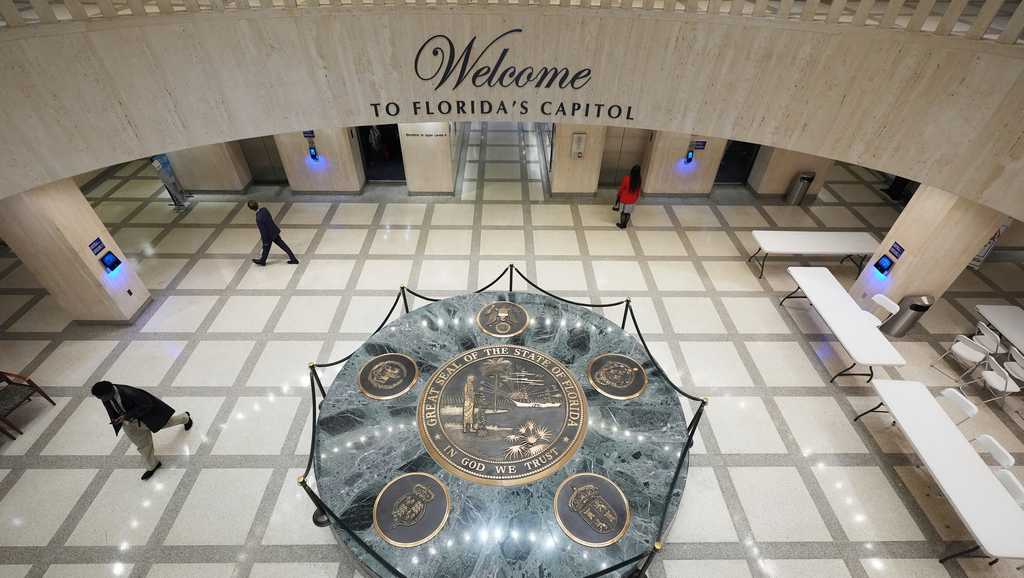
Florida’s 2026 legislative session is officially underway, launching a wave of high‑impact bills targeting property insurance reform, a proposal to eliminate property taxes, new education attendance requirements, and even an AI Bill of Rights. With over a hundred bills already filed, real estate agents, investors, insurers, educators, and other licensed professionals can expect significant regulatory shifts that may reshape Florida’s housing market, insurance costs, and professional compliance standards.
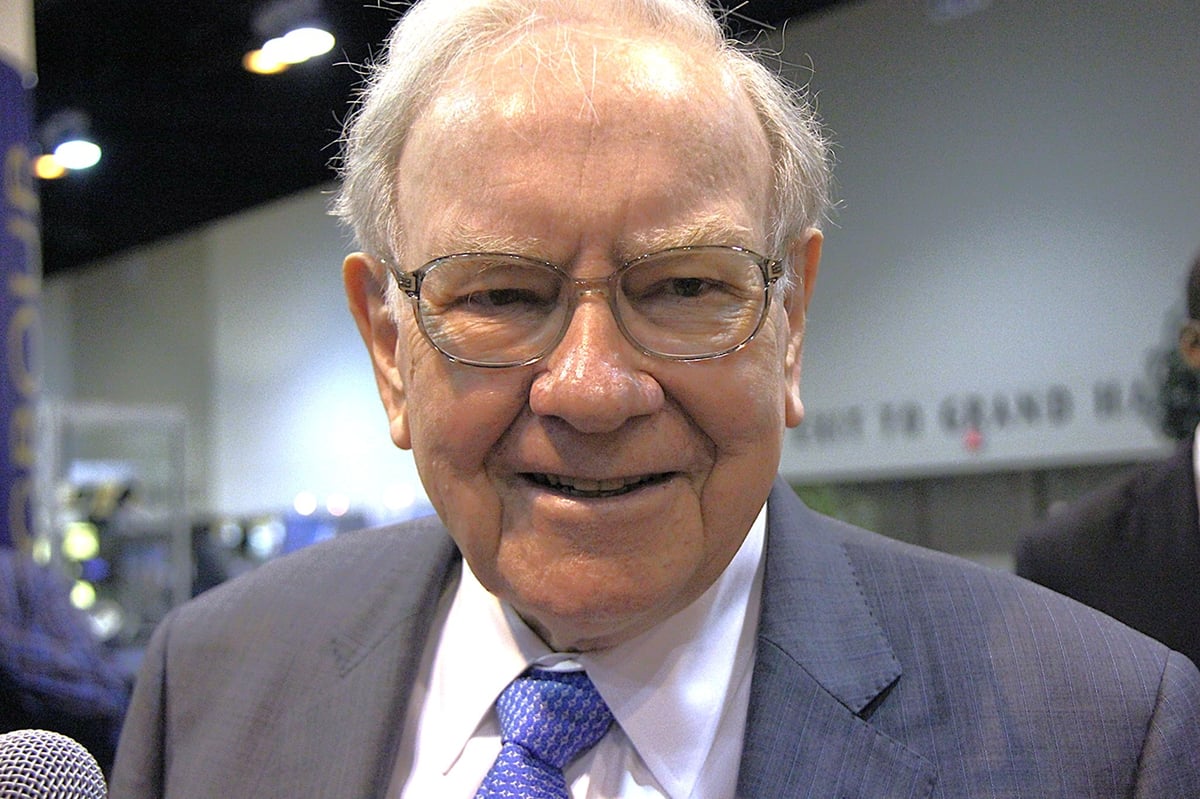
Warren Buffett’s timeless investing wisdom is more relevant than ever in 2026. Despite decades of market change, his core lesson remains the same: long‑term conviction outperforms short‑term prediction. From embracing occasional underperformance to avoiding emotional decisions, Buffett’s philosophy highlights why deep understanding and steady confidence are more valuable than trying to forecast market swings. This mindset isn’t just for investors—it’s a guiding principle for professionals looking to grow their careers with clarity and purpose.