In the heart of America’s industrial north, a battle for racial justice unfolded in the classrooms of Detroit, Michigan. This struggle, chronicled in Michelle Adams’s compelling new book, “The Containment: Detroit, the Supreme Court, and the Battle for Racial Justice in the North,” reveals the complex web of policies and practices that thwarted efforts to integrate the city’s schools.
Despite Michigan’s early prohibition of segregation in public education, Detroit’s schools remained starkly divided along racial lines, even twenty years after the landmark Brown v. Board of Education decision. Adams’s book explores how this segregation was not the result of explicit laws but rather a byproduct of the city’s neighborhood school model, where racial boundaries were drawn by longstanding policies of containment.
These containment strategies included racially restrictive covenants, redlining, and segregated public housing, which confined Black residents to certain areas, perpetuating a cycle of educational inequity. As Adams eloquently argues, these policies were not just about housing but were deeply intertwined with the educational opportunities available to Black children.
The book also delves into the legal battle initiated by the N.A.A.C.P. in 1970, aiming to desegregate Detroit’s schools. This lawsuit brought together unlikely allies, including the Citizens Committee for Better Education (C.C.B.E.), which initially opposed the N.A.A.C.P.’s efforts. However, as the case progressed, the C.C.B.E. shifted its stance, arguing that the burden of integration should not fall solely on Detroit’s white residents who couldn’t afford to move to the suburbs.
Adams’s narrative captures the complexity of this struggle, highlighting how issues of class and race intersected in the fight for civil rights. Her work draws comparisons to J. Anthony Lukas’s celebrated “Common Ground”, which examined similar themes in Boston.
This poignant examination of Detroit’s history is not just a story of the past but a reflection on the ongoing challenges of racial integration in American schools today. The book’s insights resonate with current debates over educational equity and civil rights, making it a crucial read for understanding the persistent divides in U.S. society.
For those interested in exploring this topic further, the original article by Jeffrey Toobin in The New York Times provides a detailed review of Adams’s work, capturing the essence of this significant historical account.
Select options
This product has multiple variants. The options may be chosen on the product page
Details
More Articles
Getting licensed or staying ahead in your career can be a journey—but it doesn’t have to be overwhelming. Grab your favorite coffee or tea, take a moment to relax, and browse through our articles. Whether you’re just starting out or renewing your expertise, we’ve got tips, insights, and advice to keep you moving forward. Here’s to your success—one sip and one step at a time!
While most people chase AI stocks or compete for high‑pressure tech jobs, the real opportunity may be unfolding in AI boomtown real estate. As companies like OpenAI, Anthropic, Microsoft, and NVIDIA mint new waves of wealthy workers, demand for housing in key cities is exploding. From San Francisco to Austin, AI‑driven markets are seeing rising rents, limited inventory, and buyers preparing for massive IPO windfalls. For real estate professionals—or anyone entering the field—this surge represents one of the strongest long‑term opportunities in the industry.
Florida is ending its 1 percent emergency insurance surcharge two years ahead of schedule, saving homeowners an estimated 650 million dollars through 2028. Thanks to a calm hurricane season, fewer insurer failures, and reduced lawsuits, officials say the state’s property insurance market is now in its strongest financial position in a decade. The change offers relief for homeowners and new momentum for Florida’s real estate industry, where lower insurance costs can boost buyer confidence and support smoother transactions.
A growing political push to block institutional investors from buying single-family homes may sound like a pro-homeowner policy, but the data shows it could do the opposite. Younger and racially diverse renters rely heavily on single-family rentals as an affordable, stable alternative to buying—yet restricting investor participation would shrink this supply, pushing many families into overcrowded housing, motels, or homelessness. The real issue isn’t who buys the homes, but that America doesn’t have enough of them.
Zillow’s 2026 Agent Trends Survey reveals a major shift in what agents value most: technology that reduces mental drain. Nearly half of agents now use AI tools daily, yet most still juggle multiple platforms that sap their focus. Zillow’s upcoming unified platform, Zillow Pro, aims to streamline workflows and cut cognitive load. The survey also highlights key industry trends, including buyer financial literacy gaps, the importance of relationships for lead generation and the growing need for tech fluency among both new and seasoned real estate professionals.
Florida’s housing market is still surging, with luxury enclaves like Lake Buena Vista, Jupiter Island, and Golden Beach seeing massive six‑figure price jumps in just one year. Smaller towns such as Old Town, Cross City, and Hosford also posted steady gains, proving demand is rising statewide. For real estate professionals, these trends highlight where buyers are moving, where inventory is tight, and where future opportunities lie—making market literacy an essential advantage for anyone pursuing or expanding a career in Florida real estate.
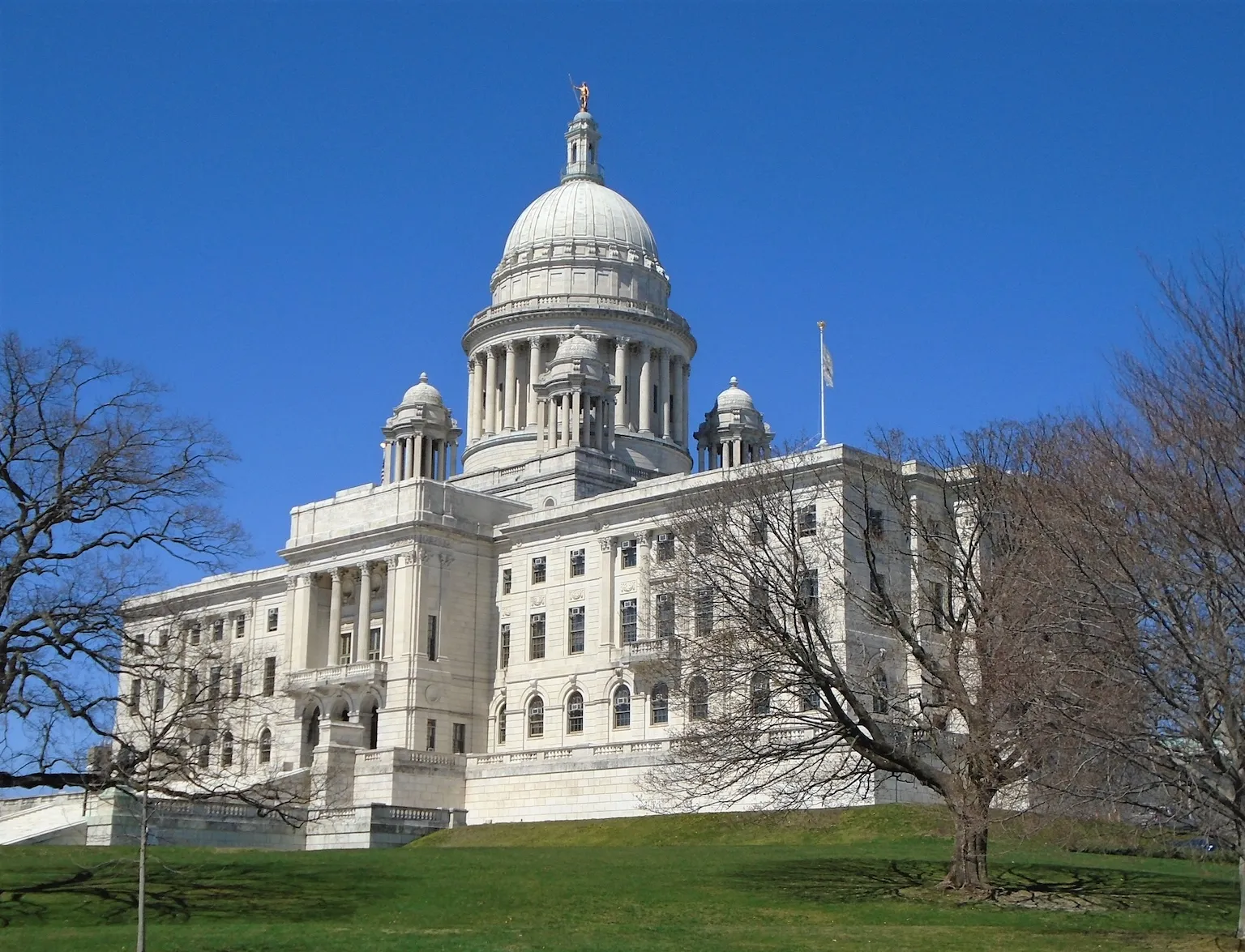
Rhode Island is launching its sixth major housing reform package, aiming to boost affordability through zoning updates, lot splits, code changes, and the revival of single room occupancy and co‑living housing. With the state still recovering from years of underbuilding and soaring home prices, lawmakers hope these reforms will unlock new supply, ease pressure on renters and buyers, and create fresh opportunities for real estate professionals.