In the heart of America’s industrial north, a battle for racial justice unfolded in the classrooms of Detroit, Michigan. This struggle, chronicled in Michelle Adams’s compelling new book, “The Containment: Detroit, the Supreme Court, and the Battle for Racial Justice in the North,” reveals the complex web of policies and practices that thwarted efforts to integrate the city’s schools.
Despite Michigan’s early prohibition of segregation in public education, Detroit’s schools remained starkly divided along racial lines, even twenty years after the landmark Brown v. Board of Education decision. Adams’s book explores how this segregation was not the result of explicit laws but rather a byproduct of the city’s neighborhood school model, where racial boundaries were drawn by longstanding policies of containment.
These containment strategies included racially restrictive covenants, redlining, and segregated public housing, which confined Black residents to certain areas, perpetuating a cycle of educational inequity. As Adams eloquently argues, these policies were not just about housing but were deeply intertwined with the educational opportunities available to Black children.
The book also delves into the legal battle initiated by the N.A.A.C.P. in 1970, aiming to desegregate Detroit’s schools. This lawsuit brought together unlikely allies, including the Citizens Committee for Better Education (C.C.B.E.), which initially opposed the N.A.A.C.P.’s efforts. However, as the case progressed, the C.C.B.E. shifted its stance, arguing that the burden of integration should not fall solely on Detroit’s white residents who couldn’t afford to move to the suburbs.
Adams’s narrative captures the complexity of this struggle, highlighting how issues of class and race intersected in the fight for civil rights. Her work draws comparisons to J. Anthony Lukas’s celebrated “Common Ground”, which examined similar themes in Boston.
This poignant examination of Detroit’s history is not just a story of the past but a reflection on the ongoing challenges of racial integration in American schools today. The book’s insights resonate with current debates over educational equity and civil rights, making it a crucial read for understanding the persistent divides in U.S. society.
For those interested in exploring this topic further, the original article by Jeffrey Toobin in The New York Times provides a detailed review of Adams’s work, capturing the essence of this significant historical account.
More Articles
Getting licensed or staying ahead in your career can be a journey—but it doesn’t have to be overwhelming. Grab your favorite coffee or tea, take a moment to relax, and browse through our articles. Whether you’re just starting out or renewing your expertise, we’ve got tips, insights, and advice to keep you moving forward. Here’s to your success—one sip and one step at a time!
A federal judge has denied class‑certification in the high‑stakes Batton commission lawsuit, delivering a temporary win for NAR and major brokerages while leaving the door open for plaintiffs to try again. With as much as $3.6 billion in potential damages on the line and nearly 80% of the proposed class now disqualified due to conflicts with earlier settlements, the case stands at a pivotal moment. Real estate professionals nationwide — especially in Florida — should watch closely, as the ruling could shape the future of buyer‑agent compensation.
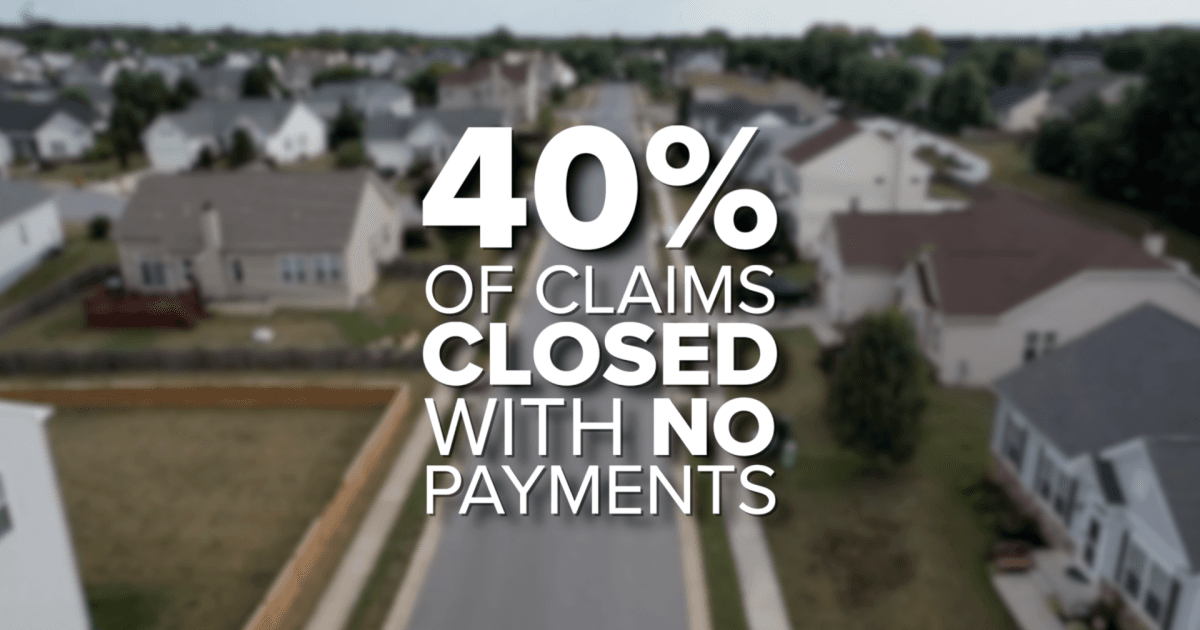
Florida homeowners are paying nearly double the national average for insurance, with premiums now reaching $5,838 a year and denied claims topping 40 percent. Residents report tripled rates, underpaid claims, and mounting financial strain, pushing lawmakers in Tallahassee to propose caps on rate hikes, tax breaks for storm‑proof upgrades, and tighter oversight of insurers. These developments are reshaping real estate and insurance conversations across the state as professionals brace for major industry shifts.
Berkshire County closed Q3 2025 with strong momentum as sales, dollar volume, and buyer competition all climbed year‑over‑year. Inventory showed slight improvement but remains far below demand, keeping the market tilted toward sellers. Single‑family homes and condos led the surge, while multifamily, land, and commercial sectors showed mixed performance. The region continues to stand out as one of New England’s most resilient real estate markets heading into 2026.
Florida homeowners now face the highest insurance burdens in the nation, with average premiums topping $5,800 per year—roughly $3,000 above the national average. As rates triple for some residents, more Floridians are skipping coverage altogether, while denied claims and slow payouts add to the frustration. With over 40 percent of claims closing with no payment and lawmakers battling over reform in Tallahassee, the crisis is reshaping budgets, homebuying decisions, and the real estate industry statewide.
Global capital is surging back into real estate—and this time, investors want more control. Colliers’ 2026 Global Investor Outlook reveals a major shift toward direct investments, joint ventures, and hands‑on strategies as money moves across North America, Europe, and the booming Asia‑Pacific markets. Data centers are now the top‑funded asset class, offices are staging a comeback, and adaptive reuse is reshaping cities worldwide. For real estate and finance professionals, the message is clear: opportunity is accelerating, and those with the right education and licensing will be at the center of the action.
The Fed’s recent rate cuts should have offered relief to commercial real estate—but long-term borrowing costs haven’t budged. While short‑term rates are falling, stubborn long‑term yields, broken deal math, and a trillion‑dollar refinancing wave are keeping the market frozen. For investors and professionals across Florida and the nation, understanding this disconnect is key to navigating the opportunities and risks emerging in today’s shifting CRE landscape.