When Joe Karasin and his wife decided to swap the bustling streets of Chicago for the tranquil pace of Bolivia, NC, they anticipated a financial reprieve. However, the reality of their move was a sobering lesson in the unexpected costs of rural living.

Karasin, who operates a marketing firm remotely, found himself paying $2,950 monthly for a four-bedroom house in Bolivia—$250 more than their previous Chicago apartment. The couple soon realized that the perceived affordability of small-town life was an illusion. Their expenses were exacerbated by the need to reclaim their car, adding $400 in lease payments and $120 for insurance each month.

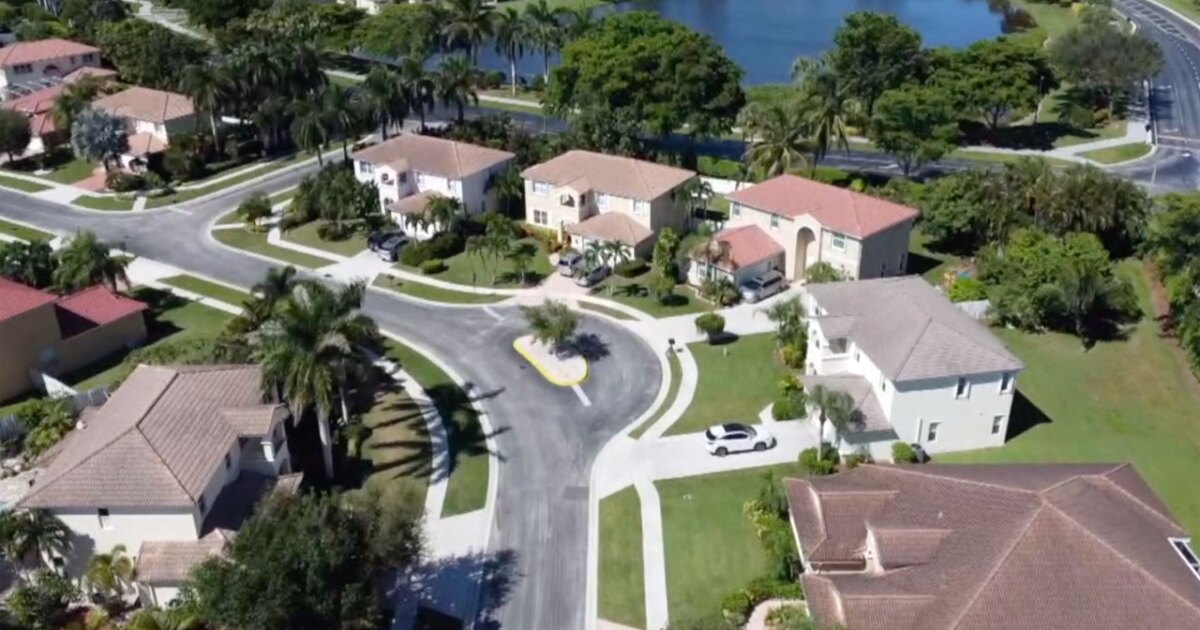
Joe karasin's home in bolivia, nc

Their experience underscores a broader misconception highlighted in a Realtor.com article: that moving to the suburbs or countryside is inherently more affordable than city living. Hannah Jones, an economic analyst, emphasizes that while suburban homes may be cheaper in large metros, this is not the case in smaller areas.

In fact, data reveals that in 65 of the 100 largest metros, suburban homes are pricier than urban ones. This is particularly true in smaller Midwest metros like Toledo, OH, where suburban homes cost significantly more than those in the city.

The Hidden Costs of Suburban and Rural Living

Beyond housing, the Karasins faced unexpected costs, such as a $450 electricity deposit due to an “electricity co-op” they hadn’t anticipated. Their utility bills soared from $50 in Chicago to as much as $210 in Bolivia, even when air conditioning wasn’t used.

Moreover, the lack of public transport meant increased commuting expenses. “We thought about it and were like, ‘We’re not even saving money,'” Karasin reflected. “Why are we here?”

What’s Missing from Rural and Suburban Areas

As more people migrate from cities, rural infrastructures are strained, leading to increased home prices and a lack of conveniences. In Bolivia, the Karasins faced long drives for basic amenities, estimating they spent “thousands” on gas during their 10-month stay.

Ultimately, the couple’s lease couldn’t end fast enough. They moved back north, aiming to return to Chicago, wiser from their experience. “Our move to Bolivia was a mistake,” Karasin admits. “It’s one I won’t make again.”

This story serves as a cautionary tale, urging potential movers to thoroughly research and consider the full spectrum of costs associated with suburban and rural living.


More Articles

Getting licensed or staying ahead in your career can be a journey—but it doesn’t have to be overwhelming. Grab your favorite coffee or tea, take a moment to relax, and browse through our articles. Whether you’re just starting out or renewing your expertise, we’ve got tips, insights, and advice to keep you moving forward. Here’s to your success—one sip and one step at a time!

Florida’s Home Insurance Market Shows Strong Signs of Recovery in 2026

Florida’s home insurance market is experiencing a wave of optimism as recent litigation reforms lead to fewer lawsuits, stronger insurer stability, and even rate reductions. With companies like Florida Peninsula lowering premiums and 17 new insurers entering the state, real estate, mortgage, and insurance professionals can expect smoother transactions, increased buyer confidence, and a more competitive market environment in the year ahead.

Mortgage Rates Slide to Multi‑Year Lows as 2026 Housing Momentum Accelerates

Mortgage rates have dipped to levels not seen since 2022, with the 30‑year fixed averaging just 6.361% and Freddie Mac reporting an even lower 6.06%. The drop is reshaping buyer affordability, sparking renewed market activity, and creating fresh opportunities for real estate professionals—especially in fast‑moving markets like Florida.

Is 2026 Finally the Breakthrough Year for Homebuyers?

The 2026 housing market is shaping up to be one of the most pivotal in years, with mortgage rates showing slight relief, affordability shifting toward the Midwest and South, and buyers turning to options like ARMs and new‑construction homes. Early signals point to new opportunities for buyers, investors, and real‑estate professionals—especially those ready to navigate a market defined by moderate rate drops, regional affordability gaps, and builder‑driven incentives.

Ares Commercial Real Estate Insider Shake‑Up Raises Questions for Industry Professionals

Ares Commercial Real Estate CEO Bryan Donohoe sold US$107k in shares this week, trimming his stake by 13% and adding to a pattern of insider selling with no insider purchases in the past 12 months. With insider ownership sitting at a modest 1.6%, the activity signals a cautious tone inside the company—something real estate, mortgage, and finance professionals may want to watch as they assess broader market confidence.

Florida’s 2026 Legislative Session Kicks Off With Major Moves for Real Estate, Insurance, and Business Professionals

Florida’s 2026 legislative session is officially underway, launching a wave of high‑impact bills targeting property insurance reform, a proposal to eliminate property taxes, new education attendance requirements, and even an AI Bill of Rights. With over a hundred bills already filed, real estate agents, investors, insurers, educators, and other licensed professionals can expect significant regulatory shifts that may reshape Florida’s housing market, insurance costs, and professional compliance standards.

Warren Buffett’s 2026 Reminder: Conviction Beats Market Predictions

Warren Buffett’s timeless investing wisdom is more relevant than ever in 2026. Despite decades of market change, his core lesson remains the same: long‑term conviction outperforms short‑term prediction. From embracing occasional underperformance to avoiding emotional decisions, Buffett’s philosophy highlights why deep understanding and steady confidence are more valuable than trying to forecast market swings. This mindset isn’t just for investors—it’s a guiding principle for professionals looking to grow their careers with clarity and purpose.