The Crisis Beneath the Ashes: How the LA Wildfires Exposed a National Insurance Meltdown
When Jessica and Matt Conkle lost their Altadena home to last year’s Los Angeles wildfires, they expected their insurance coverage to help them rebuild their lives. Instead, they found themselves trapped in an exhausting maze of delays, lowball estimates, and unanswered calls — a struggle increasingly familiar to thousands of wildfire survivors across California.
Their story, originally reported by The Guardian (read full piece), highlights a crisis shaking the foundation of American homeownership: the unraveling of the national insurance system in an age of rising climate extremes.
When Disaster Strikes… and Then the Delays Begin
The Conkles received four months of temporary living assistance — but everything after that fell into a black hole. Adjusters rotated. Values fluctuated. Their Waterford crystal? Deemed to have instantly dropped more than half in value. Proof of condition? Lost in the fire — a reality their insurer seemed unmoved by.
Rebuilding wasn’t any easier. The insurer’s first estimate was far below market reality and excluded essential architectural fees and city permits. Today, their rebuild funds sit frozen in escrow as negotiations drag on.
Tap to reflect:
Are delays and lowball estimates becoming the new norm for wildfire‑zone claims? Many real estate and insurance experts say yes — and the ripple effects are reshaping markets nationwide.
A System Cracking Under Climate Pressure
A Department of Angels survey revealed that nearly 80% of wildfire survivors faced major obstacles: rotating adjusters, inconsistent valuations, and long communication gaps. Even homeowners with only partial damage — supposedly simpler claims — faced some of the steepest challenges.
This isn’t just a California hardship. Across the country, insurers are withdrawing from high‑risk areas, raising premiums, or scaling back coverage entirely. State emergency insurance programs are ballooning as under‑insurance quietly spreads nationwide.
Yet the insurance giants themselves are reporting record profits, largely off investment income — a contradiction not lost on consumers.
Regulators Under Fire
Consumer advocates argue that regulators in several states have been too lenient, bending to industry pressure and approving steep rate hikes without demanding stronger protections. In California, the Department of Insurance has faced intense scrutiny — even allegations of being “bullied” into decisions that favor insurers over homeowners.
One major shift came when LA County launched an investigation into State Farm’s wildfire claims handling. Suddenly, months‑long stalled claims saw progress — a change many advocates credit to heightened accountability.
Quick Insight:
Policy pressure — not just disaster — may be the strongest force shaping modern insurance behavior.
The Bigger Picture: An Uninsurable Future?
As climate‑driven disasters multiply, insurers are reevaluating risk faster than regulations can adapt. With billions lost annually, companies are adjusting coverage models, tightening their underwriting, and passing more risk to consumers.
Former California insurance commissioner Dave Jones warns that these trends point toward an “uninsurable future” unless climate change is addressed at scale.
For now, homeowners face rising premiums, shrinking policies, and unmet rebuild needs. As the Conkle family learned, being insured doesn’t always mean being protected.
Why This Matters for Real Estate and Professional Licensing
For real estate agents, mortgage professionals, and insurance specialists, this crisis hits close to home. Every shift in the insurance landscape affects market stability: transactions slow, lending tightens, risk premiums climb, and entire neighborhoods change overnight based on insurance availability.
This is why strong professional education is more essential than ever. At Cameron Academy, future and current professionals stay ahead of these shifting dynamics through licensing and continuing education in real estate, insurance, mortgage, and more — across all 50 states. Understanding today’s insurance volatility isn’t optional; it’s part of being truly prepared.
A Call for Fairness
Survivors like the Conkles aren’t demanding special treatment — they’re asking for the protection they paid for. As climate volatility increases, the call for transparency and accountability in insurance practices will only grow stronger.
Their fight continues — echoing across the entire nation as communities, professionals, and policymakers confront a new era of risk, resilience, and rebuilding.
More Articles
Getting licensed or staying ahead in your career can be a journey—but it doesn’t have to be overwhelming. Grab your favorite coffee or tea, take a moment to relax, and browse through our articles. Whether you’re just starting out or renewing your expertise, we’ve got tips, insights, and advice to keep you moving forward. Here’s to your success—one sip and one step at a time!
foreign investment in U.S. real estate has surged to unprecedented levels, surpassing 1.2 trillion dollars over the past 15 years. This influx has sparked a robust debate among scholars and policymakers about the potential threats and benefits posed by such investments.
With the rise of digital interactions, Aflac is tailoring its strategies to engage Gen Z and other demographics, focusing on seamless digital experiences and omnichannel engagement.
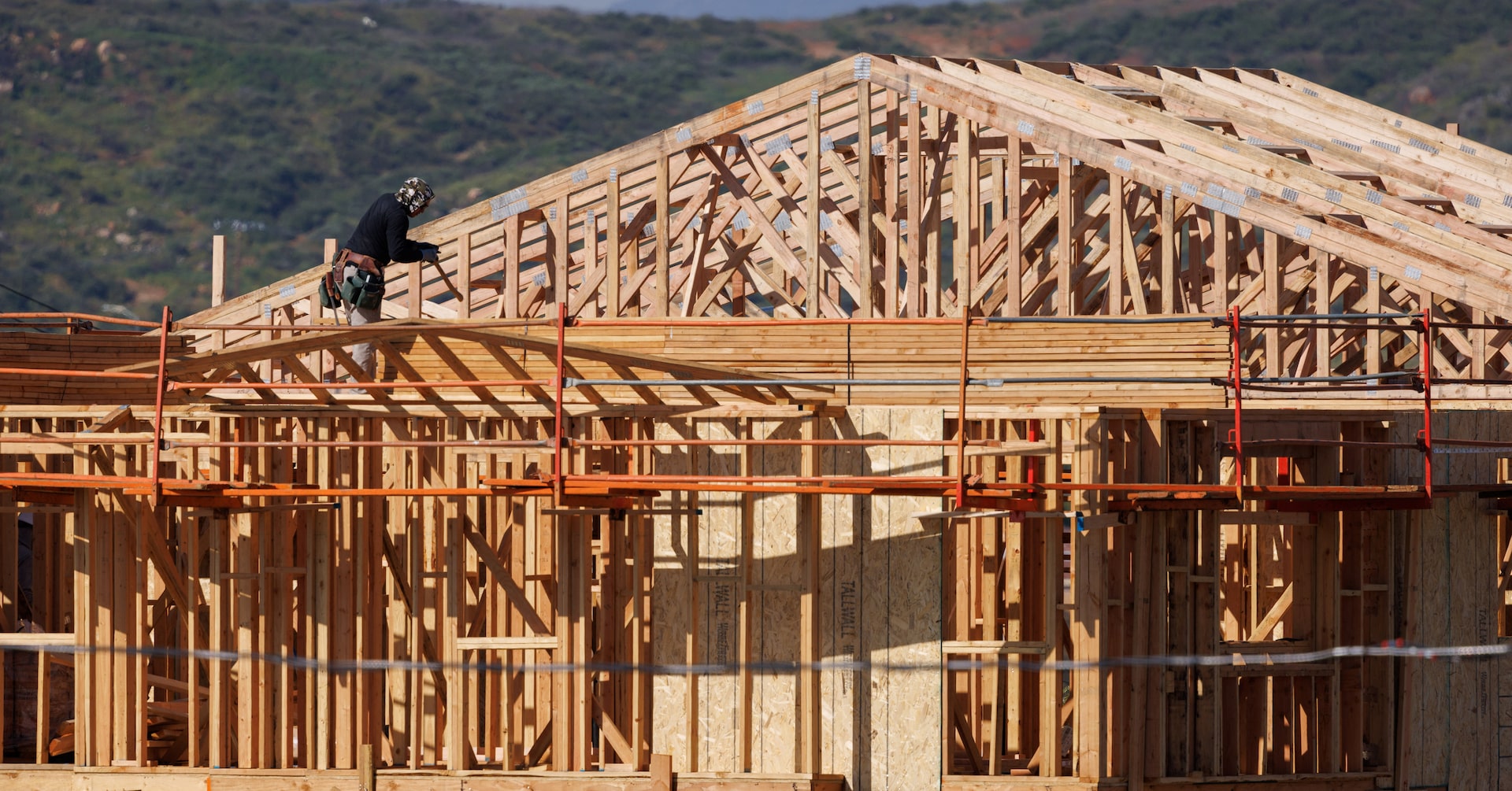
U.S. single-family homebuilding sector has hit an eight-month low in June, largely due to escalating mortgage rates. This downturn suggests a potential drag on the nation's economic growth during the second quarter.
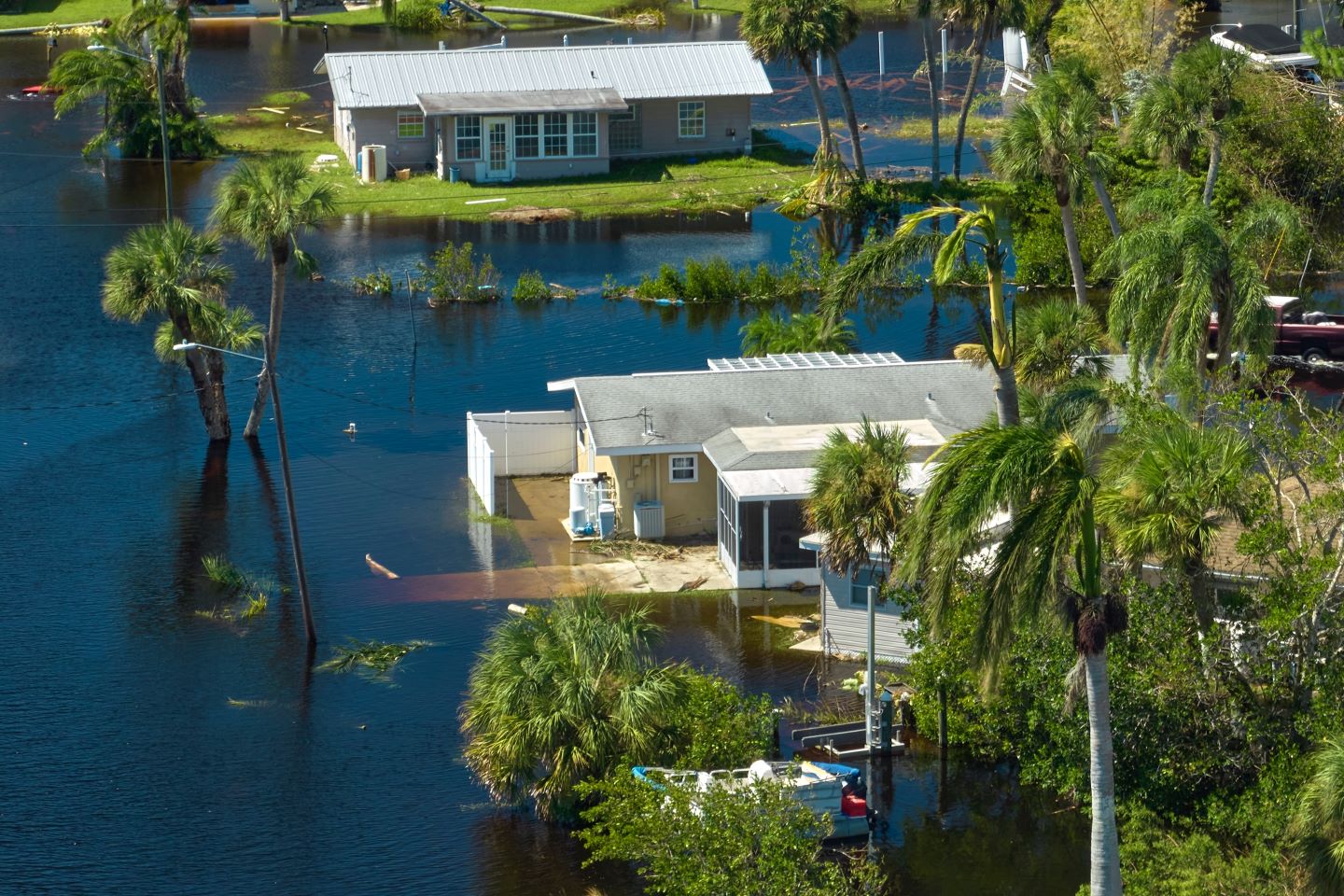
As we navigate this rising tide of risk, the insurance industry must innovate and adapt to ensure that protection remains viable for those who need it most. The stakes have never been higher, and the time for action is now.