The CrowdStrike Outage: A Glitch in the Aviation Matrix

On July 19, 2024, a name once known primarily in IT and cybersecurity circles, CrowdStrike, became a household topic. This sudden notoriety was not due to a breakthrough in cyber defense but rather a flawed software update that rippled through digital ecosystems worldwide. The update, intended to enhance the Falcon Sensor vulnerability scanner, inadvertently disrupted millions of computers, particularly affecting those running the Windows operating system. This incident underscored the critical importance of endpoint security in our increasingly connected world.

CrowdStrike, based in Austin, Texas, has long been a leader in cybersecurity, providing threat intelligence and cyber-attack response services globally. Its reputation soared in 2016 when it identified hacking attempts on U.S. government entities. By 2024, the company had secured nearly 25% of the endpoint security market share, becoming a top performer in the S&P 500 index.

The Aviation Sector in Turmoil

The ill-fated update’s impact was most acutely felt in the aviation sector. Thousands of flights were canceled as critical systems for ticket reservations, flight scheduling, and aircraft maintenance were disrupted. The U.S. airlines, employing a “hub and spoke” model, were particularly vulnerable. One airline reportedly canceled around 5,000 flights, incurring losses of approximately $500 million. In contrast, airlines operating a “point to point” system experienced less severe disruptions.

This cascade of cancellations was compounded by the fact that airlines outsource many services. The outage affected these service providers as well, making it difficult to coordinate essential functions like cabin cleaning and gate security, further exacerbating delays and cancellations.

Network Contagion and Recovery

While the glitch affected fewer than 1% of Windows-based computers, this still translated to about 8.5 million devices globally. According to a Reuters report, Microsoft acknowledged the small percentage but noted the broad economic and societal impacts due to CrowdStrike’s extensive enterprise usage.

Recovery was possible, albeit painstaking and costly. Many employees lacked the administrative rights or skills necessary for recovery, highlighting the need for robust cyber risk management strategies.

Lessons Learned and Moving Forward

This incident was not a breach of cybersecurity but a stark reminder of the potential ramifications of supply chain vulnerabilities. The estimated economic impact ranged from $1 billion to $10 billion, underscoring the challenge of quantifying insured loss value. It highlighted the fragility of global supply chains and the importance of cyber maturity and insurance to mitigate future risks.

Organizations are now urged to explore cyber risk scenarios proactively, ensuring they are well-prepared for potential threats. Those who have taken these initial steps are already ahead in the race against cyber threats.

For more insights, visit the original article on WTW.

More Articles

Getting licensed or staying ahead in your career can be a journey—but it doesn’t have to be overwhelming. Grab your favorite coffee or tea, take a moment to relax, and browse through our articles. Whether you’re just starting out or renewing your expertise, we’ve got tips, insights, and advice to keep you moving forward. Here’s to your success—one sip and one step at a time!

Massachusetts Investment Firm Makes Strategic Move Into Connecticut With $3.65M Red Robin-Anchored Purchase

Newman Properties, a Massachusetts-based investment firm, has expanded its footprint into Connecticut with the $3.65 million acquisition of a 6,350‑square‑foot retail building in Enfield. Anchored by national restaurant chain Red Robin, the property offers the type of stable tenancy investors seek when entering new markets. The deal underscores growing confidence in anchored retail assets and provides a valuable real-world example for real estate professionals studying market analysis, investment strategy, and portfolio expansion.

JPMorgan Flags a Sunbelt Slowdown as Florida and Texas See Sharp Home Price Drops

JPMorgan now expects national home prices to flatten in 2026, but the Sunbelt is telling a very different story. Florida home values are down 5.1%, Texas is down 2.4%, and analysts warn that years of rapid building are finally catching up to the region. As demand stabilizes and inventory swells, real estate professionals — especially in Florida — face a market full of challenges, opportunities, and critical timing decisions.

AI Is Reshaping Mortgage Underwriting in 2026 as Industry Pros Brace for Major Change

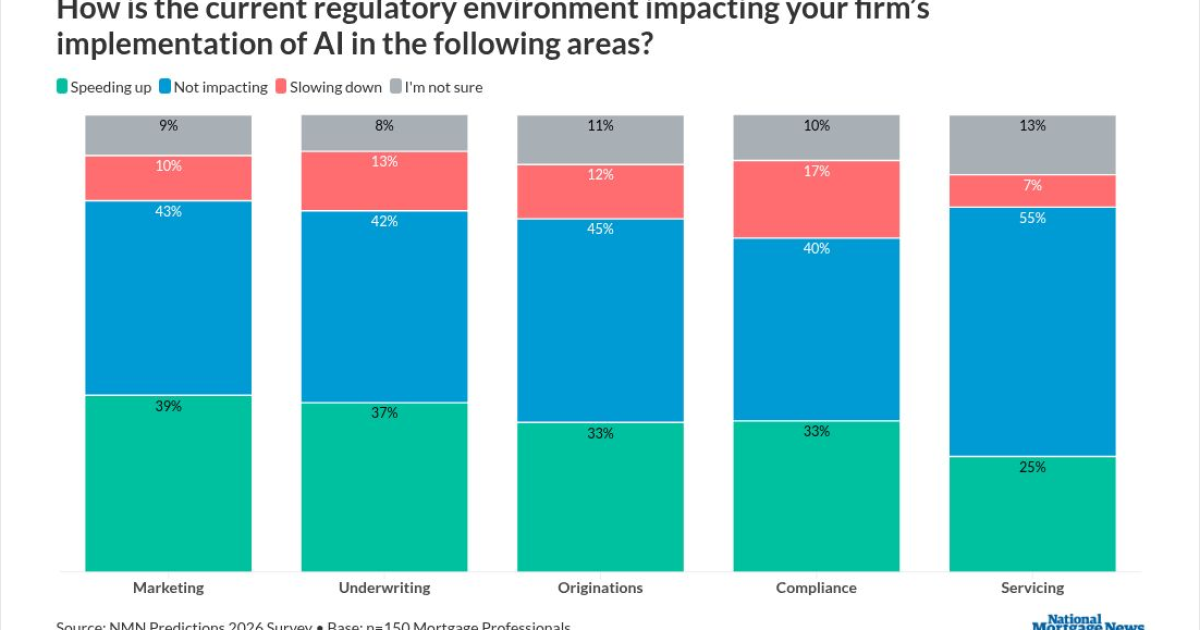
Artificial intelligence is finally stepping into the mortgage underwriting spotlight, with 57% of mortgage professionals predicting it will drive the most transformative industry shift in 2026. Thanks to major advancements in language models and workflow automation, AI is now capable of navigating the messy, document-heavy realities that have long slowed underwriting. From faster preapprovals to improved credit analysis and real‑time income verification, AI is streamlining processes while allowing underwriters to focus on true risk management. As regulatory winds shift and grassroots pressure builds within lending teams, the industry is entering a pivotal era where AI‑powered underwriting becomes not just an advantage — but an expectation.

Portland’s Commercial Market Suffers a Historic $2 Billion Collapse

Portland’s top 20 office towers have lost an unprecedented 70% of their value since 2019—plunging from $3 billion to under $1 billion—triggering tax revenue shortfalls, budget crises, and a surge in appeals as the city grapples with its biggest commercial real estate reset in modern history.

When Virtual Reality Becomes the New Penthouse Tour: Miami Students Step Inside a $1M Tech-Driven Luxury Tower Experience

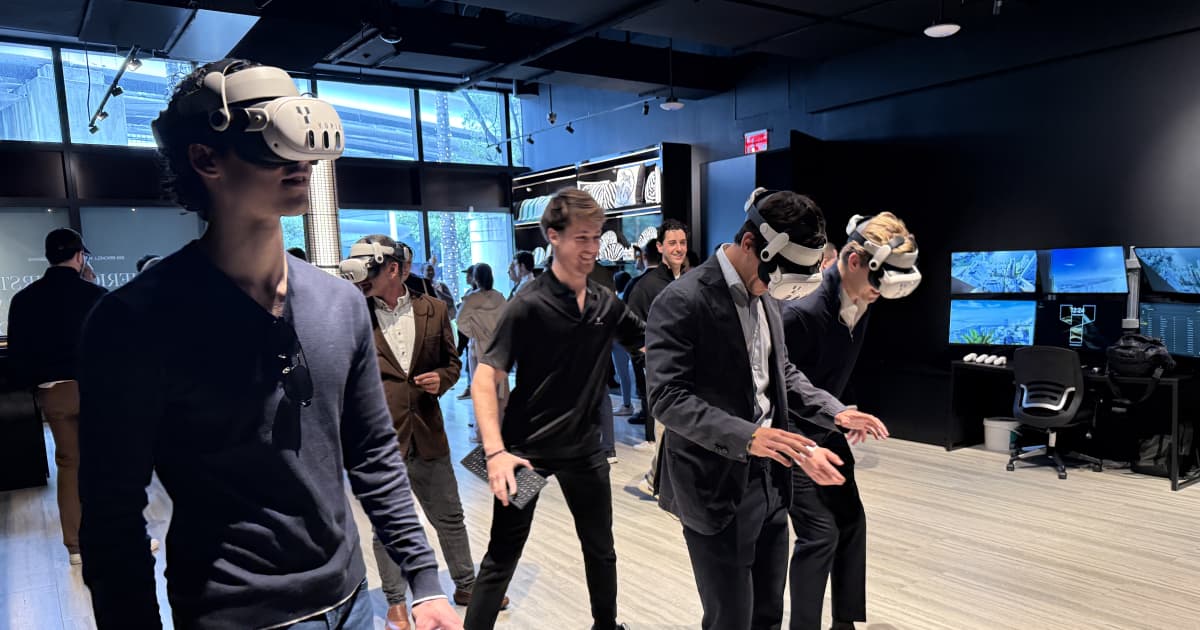
South Florida’s luxury real estate market just raised the bar again — this time with a $1 million virtual reality system that lets buyers walk through Dolce & Gabbana’s upcoming Miami tower long before construction wraps. Real estate master’s students were given an immersive look inside the project, discovering how VR is transforming high‑end development, influencing buyer psychology, and shaping the future skills today’s professionals need.

Long Island’s Latest Commercial Moves: From Pizza Huts to Auto Parts Warehouses

Long Island’s commercial real estate scene is kicking off 2026 with a surge of activity—industrial leases in Medford, neighborhood retail trades in Bohemia, Pizza Hut’s new DELCO expansion in Centereach, mixed‑use acquisitions in Melville, and major investor interest in bank‑leased and franchise-backed properties. From warehouses to restaurant rebrands, these deals highlight a region evolving fast and offering fresh opportunities for agents, investors, and professionals looking to stay ahead in the market.