The CrowdStrike Outage: A Glitch in the Aviation Matrix

On July 19, 2024, a name once known primarily in IT and cybersecurity circles, CrowdStrike, became a household topic. This sudden notoriety was not due to a breakthrough in cyber defense but rather a flawed software update that rippled through digital ecosystems worldwide. The update, intended to enhance the Falcon Sensor vulnerability scanner, inadvertently disrupted millions of computers, particularly affecting those running the Windows operating system. This incident underscored the critical importance of endpoint security in our increasingly connected world.

CrowdStrike, based in Austin, Texas, has long been a leader in cybersecurity, providing threat intelligence and cyber-attack response services globally. Its reputation soared in 2016 when it identified hacking attempts on U.S. government entities. By 2024, the company had secured nearly 25% of the endpoint security market share, becoming a top performer in the S&P 500 index.

The Aviation Sector in Turmoil

The ill-fated update’s impact was most acutely felt in the aviation sector. Thousands of flights were canceled as critical systems for ticket reservations, flight scheduling, and aircraft maintenance were disrupted. The U.S. airlines, employing a “hub and spoke” model, were particularly vulnerable. One airline reportedly canceled around 5,000 flights, incurring losses of approximately $500 million. In contrast, airlines operating a “point to point” system experienced less severe disruptions.

This cascade of cancellations was compounded by the fact that airlines outsource many services. The outage affected these service providers as well, making it difficult to coordinate essential functions like cabin cleaning and gate security, further exacerbating delays and cancellations.

Network Contagion and Recovery

While the glitch affected fewer than 1% of Windows-based computers, this still translated to about 8.5 million devices globally. According to a Reuters report, Microsoft acknowledged the small percentage but noted the broad economic and societal impacts due to CrowdStrike’s extensive enterprise usage.

Recovery was possible, albeit painstaking and costly. Many employees lacked the administrative rights or skills necessary for recovery, highlighting the need for robust cyber risk management strategies.

Lessons Learned and Moving Forward

This incident was not a breach of cybersecurity but a stark reminder of the potential ramifications of supply chain vulnerabilities. The estimated economic impact ranged from $1 billion to $10 billion, underscoring the challenge of quantifying insured loss value. It highlighted the fragility of global supply chains and the importance of cyber maturity and insurance to mitigate future risks.

Organizations are now urged to explore cyber risk scenarios proactively, ensuring they are well-prepared for potential threats. Those who have taken these initial steps are already ahead in the race against cyber threats.

For more insights, visit the original article on WTW.

More Articles

Getting licensed or staying ahead in your career can be a journey—but it doesn’t have to be overwhelming. Grab your favorite coffee or tea, take a moment to relax, and browse through our articles. Whether you’re just starting out or renewing your expertise, we’ve got tips, insights, and advice to keep you moving forward. Here’s to your success—one sip and one step at a time!

The Genetic Revolution: CRISPR and Public Opinion

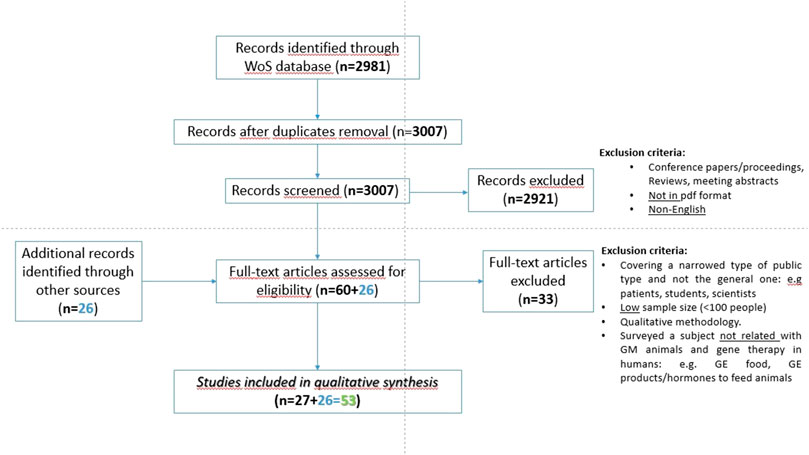
CRISPR-Cas9 democratizes the ability to edit genomes with unprecedented precision and ease, transforming scientific research and sparking profound societal and ethical debates.

Revolutionizing Healthcare: The AI Transformation

Artificial Intelligence (AI) is no longer a futuristic concept in healthcare; it is a reality reshaping the industry today. Visionaries like Vinod Khosla have long predicted AI's potential, foreseeing its ability to replace up to 80% of standard medical tasks. This transformation is now evident as AI technologies begin to outperform traditional methods, particularly in areas requiring precision and data processing.

Exploring the Intersection of AI and Patient-Centered Care

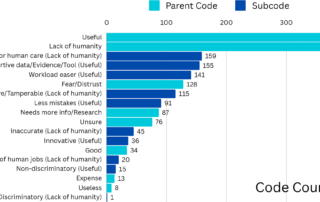
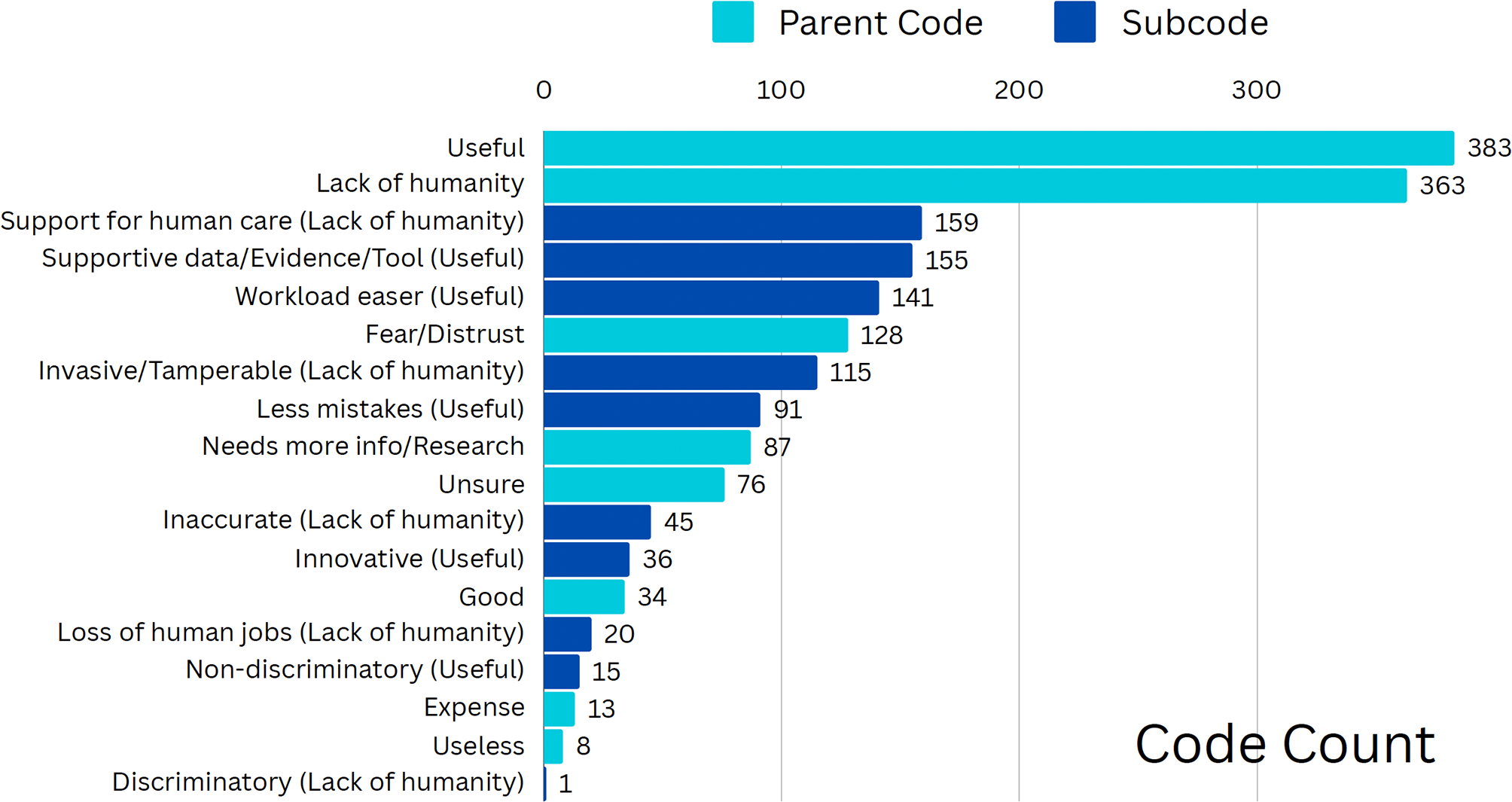
In a groundbreaking study published in BMC Medical Ethics, researchers have delved into the public's perception of artificial intelligence (AI) in healthcare, spotlighting both ethical concerns and potential opportunities for enhancing patient-centered care.

By |December 19, 2024|Categories: Article, Ethics, Healthcare|Tags: , |0 Comments

The AI Revolution in Real Estate

The real estate industry is experiencing a seismic shift, thanks to the integration of artificial intelligence (AI). This cutting-edge technology is fundamentally transforming property acquisition, sales, and management processes. AI's influence extends to predictive analytics, which are reshaping investment decisions, and virtual property tours, which are revolutionizing how we navigate the real estate landscape.

By |December 19, 2024|Categories: Article, Artificial Intelligence, Real Estate|Tags: |0 Comments

Virtual Care in 2024: Challenges and Opportunities for Telehealth

The telehealth market is experiencing a remarkable surge, driven by the increasing adoption of digital health solutions and remote care services.

NAR 2024 Sustainability Report: A Greener Future for Real Estate

The findings suggest that the industry is on the cusp of a "green revolution," with significant strides being made towards sustainability.


By |December 18, 2024|Categories: Article, Real Estate, Sustainability|Tags: , |0 Comments