The CrowdStrike Outage: A Glitch in the Aviation Matrix

On July 19, 2024, a name once known primarily in IT and cybersecurity circles, CrowdStrike, became a household topic. This sudden notoriety was not due to a breakthrough in cyber defense but rather a flawed software update that rippled through digital ecosystems worldwide. The update, intended to enhance the Falcon Sensor vulnerability scanner, inadvertently disrupted millions of computers, particularly affecting those running the Windows operating system. This incident underscored the critical importance of endpoint security in our increasingly connected world.

CrowdStrike, based in Austin, Texas, has long been a leader in cybersecurity, providing threat intelligence and cyber-attack response services globally. Its reputation soared in 2016 when it identified hacking attempts on U.S. government entities. By 2024, the company had secured nearly 25% of the endpoint security market share, becoming a top performer in the S&P 500 index.

The Aviation Sector in Turmoil

The ill-fated update’s impact was most acutely felt in the aviation sector. Thousands of flights were canceled as critical systems for ticket reservations, flight scheduling, and aircraft maintenance were disrupted. The U.S. airlines, employing a “hub and spoke” model, were particularly vulnerable. One airline reportedly canceled around 5,000 flights, incurring losses of approximately $500 million. In contrast, airlines operating a “point to point” system experienced less severe disruptions.

This cascade of cancellations was compounded by the fact that airlines outsource many services. The outage affected these service providers as well, making it difficult to coordinate essential functions like cabin cleaning and gate security, further exacerbating delays and cancellations.

Network Contagion and Recovery

While the glitch affected fewer than 1% of Windows-based computers, this still translated to about 8.5 million devices globally. According to a Reuters report, Microsoft acknowledged the small percentage but noted the broad economic and societal impacts due to CrowdStrike’s extensive enterprise usage.

Recovery was possible, albeit painstaking and costly. Many employees lacked the administrative rights or skills necessary for recovery, highlighting the need for robust cyber risk management strategies.

Lessons Learned and Moving Forward

This incident was not a breach of cybersecurity but a stark reminder of the potential ramifications of supply chain vulnerabilities. The estimated economic impact ranged from $1 billion to $10 billion, underscoring the challenge of quantifying insured loss value. It highlighted the fragility of global supply chains and the importance of cyber maturity and insurance to mitigate future risks.

Organizations are now urged to explore cyber risk scenarios proactively, ensuring they are well-prepared for potential threats. Those who have taken these initial steps are already ahead in the race against cyber threats.

For more insights, visit the original article on WTW.

More Articles

Getting licensed or staying ahead in your career can be a journey—but it doesn’t have to be overwhelming. Grab your favorite coffee or tea, take a moment to relax, and browse through our articles. Whether you’re just starting out or renewing your expertise, we’ve got tips, insights, and advice to keep you moving forward. Here’s to your success—one sip and one step at a time!

Florida Homeowners Finally Get Relief as Gov. DeSantis Announces Significant Insurance Premium Cuts

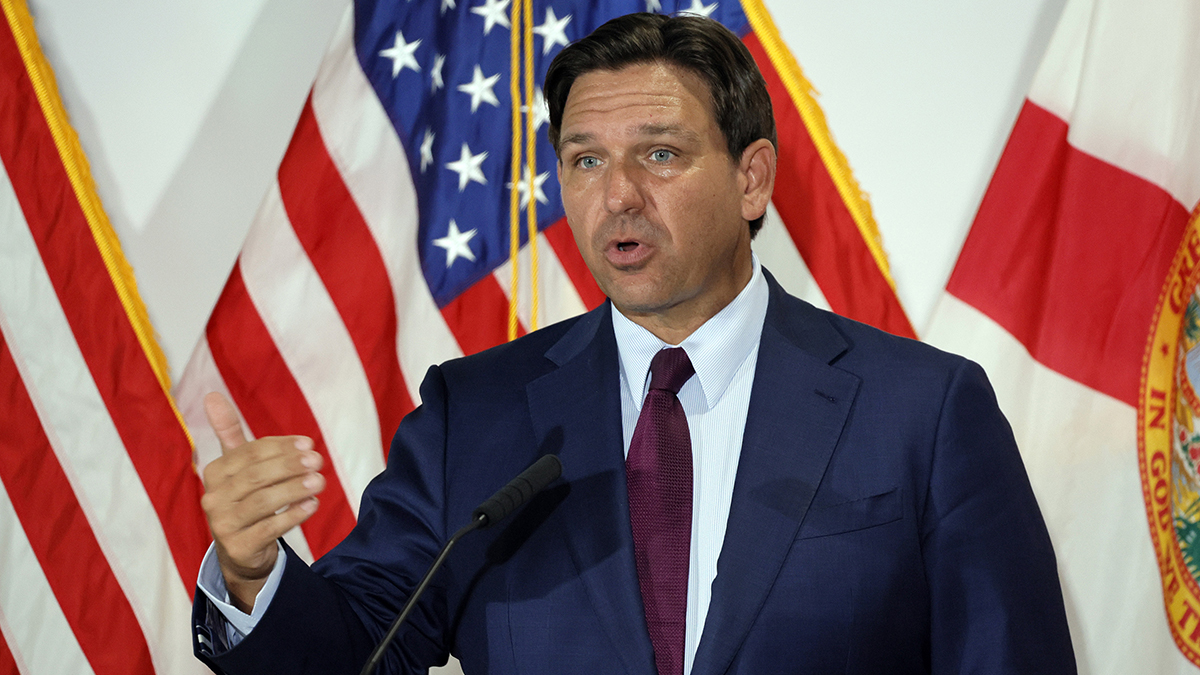
Florida homeowners — especially in hard‑hit South Florida — are set to see rare and substantial reductions in their property insurance premiums. Gov. Ron DeSantis announced an average statewide Citizens Insurance decrease of 8.7%, with even larger savings of up to 14% in counties like Miami-Dade, Broward, and Palm Beach. State officials credit recent legal and regulatory reforms for stabilizing the market, attracting new insurers, and delivering the first meaningful rate relief Floridians have seen in years.

Tampa’s Real Estate Market Enters a Smarter, More Selective Growth Phase

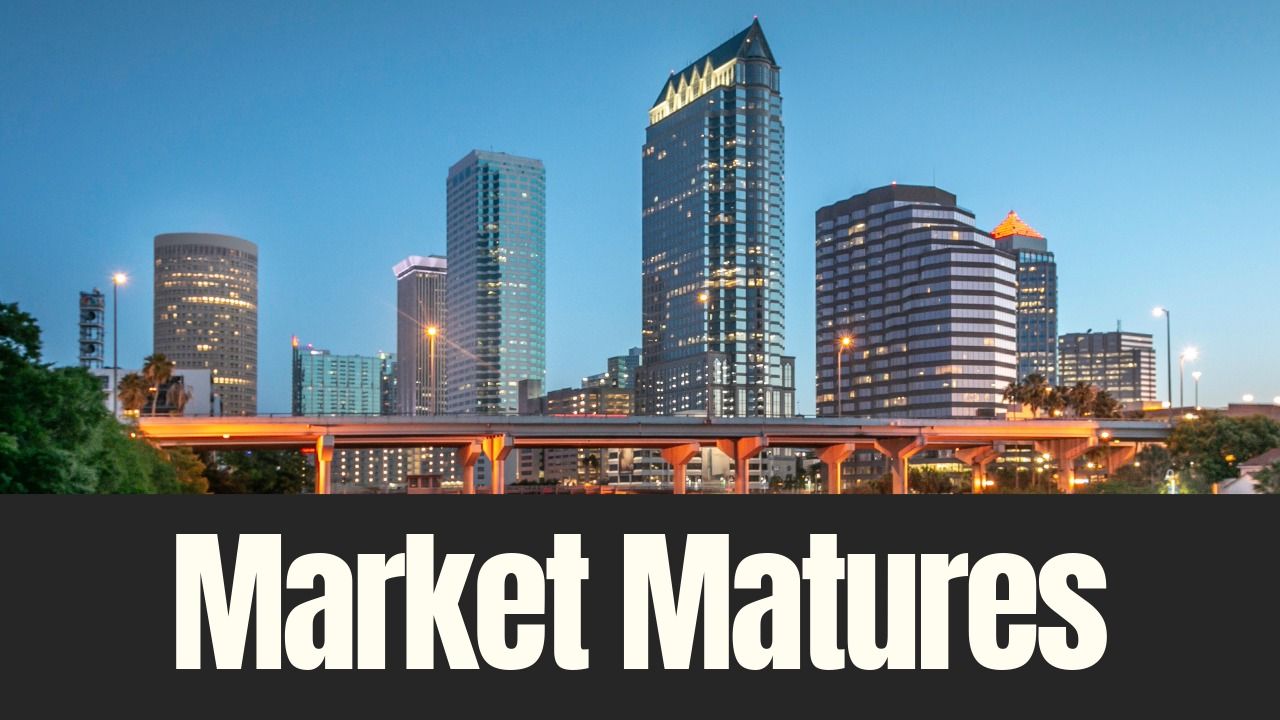
Tampa’s commercial real estate market isn’t slowing—it’s maturing. With strong population growth, rising office demand, a normalized industrial sector, resurgent retail, and an emerging health‑care real estate boom, investors are shifting from speed to strategy. Tighter underwriting, cautious capital and increased due‑diligence are shaping a more disciplined market, creating new opportunities for informed professionals.

Florida Slashes Home Insurance Rates: Biggest Drop in a Decade Sends Shockwaves Through the Market

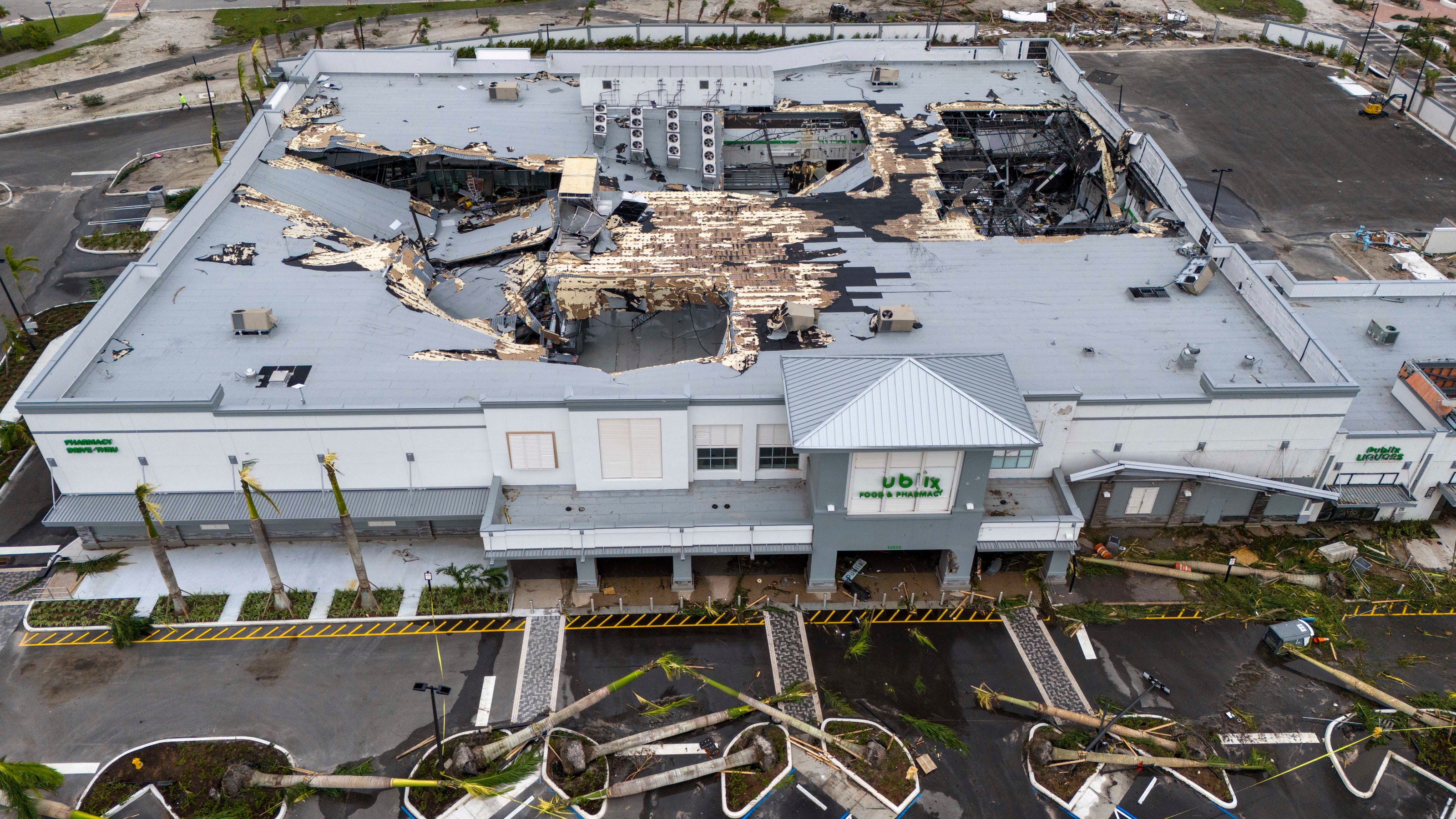
Florida homeowners are finally seeing relief as Citizens Property Insurance announces a major 8.7% average rate decrease—far larger than originally proposed. Driven by legislative reforms, fewer lawsuits, and a calm hurricane season, the state’s once‑unstable insurance market is showing real signs of recovery. But with reduced coverage limits and shifting legal protections, experts warn that lower premiums may come with hidden trade‑offs.

Florida Homeowners Finally Get Insurance Relief After Years of Soaring Premiums

After a decade of rising premiums and retreating carriers, Florida homeowners are finally seeing long‑awaited relief. Dozens of insurers have filed for rate decreases—some as high as 11%—thanks to legislative reforms and a stabilizing market. Early approvals are already hitting counties across the state, and experts say the momentum could boost buyer confidence, affordability, and competition throughout Florida’s real estate and insurance sectors.

Self‑Storage Investing in 2026: A Market Thaw Opens the Door to Big Opportunities

After years of slowed activity caused by rising interest rates, the self‑storage industry is heating up again. New data from Marcus & Millichap shows a fresh market cycle emerging, driven by renewed buyer confidence, recalibrated pricing, and stronger lender participation. Acquisitions are rebounding, development is resetting in a healthier direction, and financing conditions are improving—creating one of the most promising investment landscapes the sector has seen in years.

Brookline’s Real Flood Risk: What FEMA’s New Maps Reveal—and What They Miss

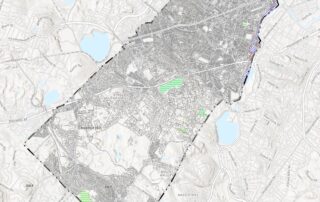
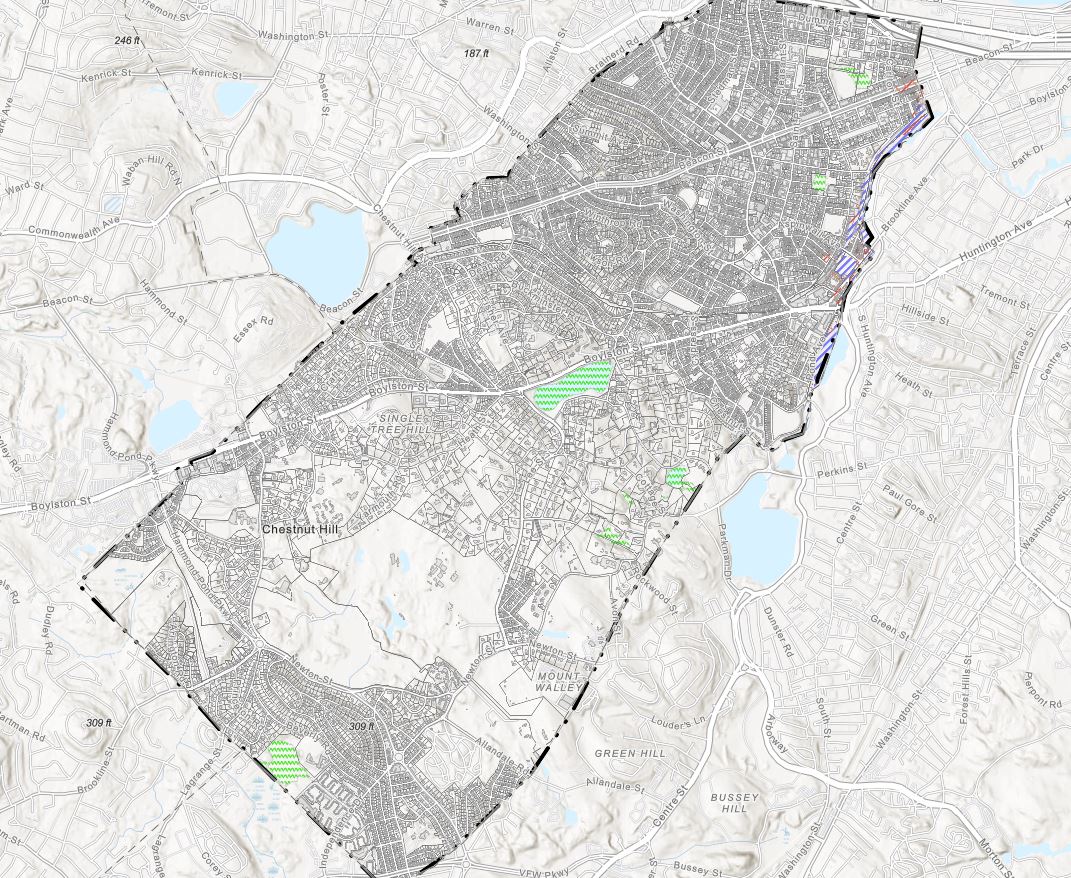
Brookline’s newly updated FEMA flood maps identify 97 high‑risk parcels, but local experts warn the true threat is far greater. While FEMA highlights river‑based flooding around Leverett Pond and the Muddy River, alternative models show more than 1,300 Brookline properties at risk within 30 years. Hidden vulnerabilities along major corridors like Beacon Street, rising rainfall intensity, aging infrastructure, and climate‑driven storm patterns suggest that many “low‑risk” areas may be anything but safe.