The Dawn of Artificial Intelligence in Healthcare

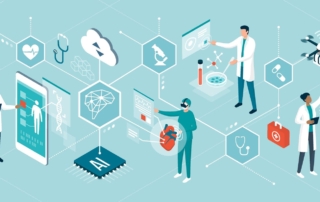
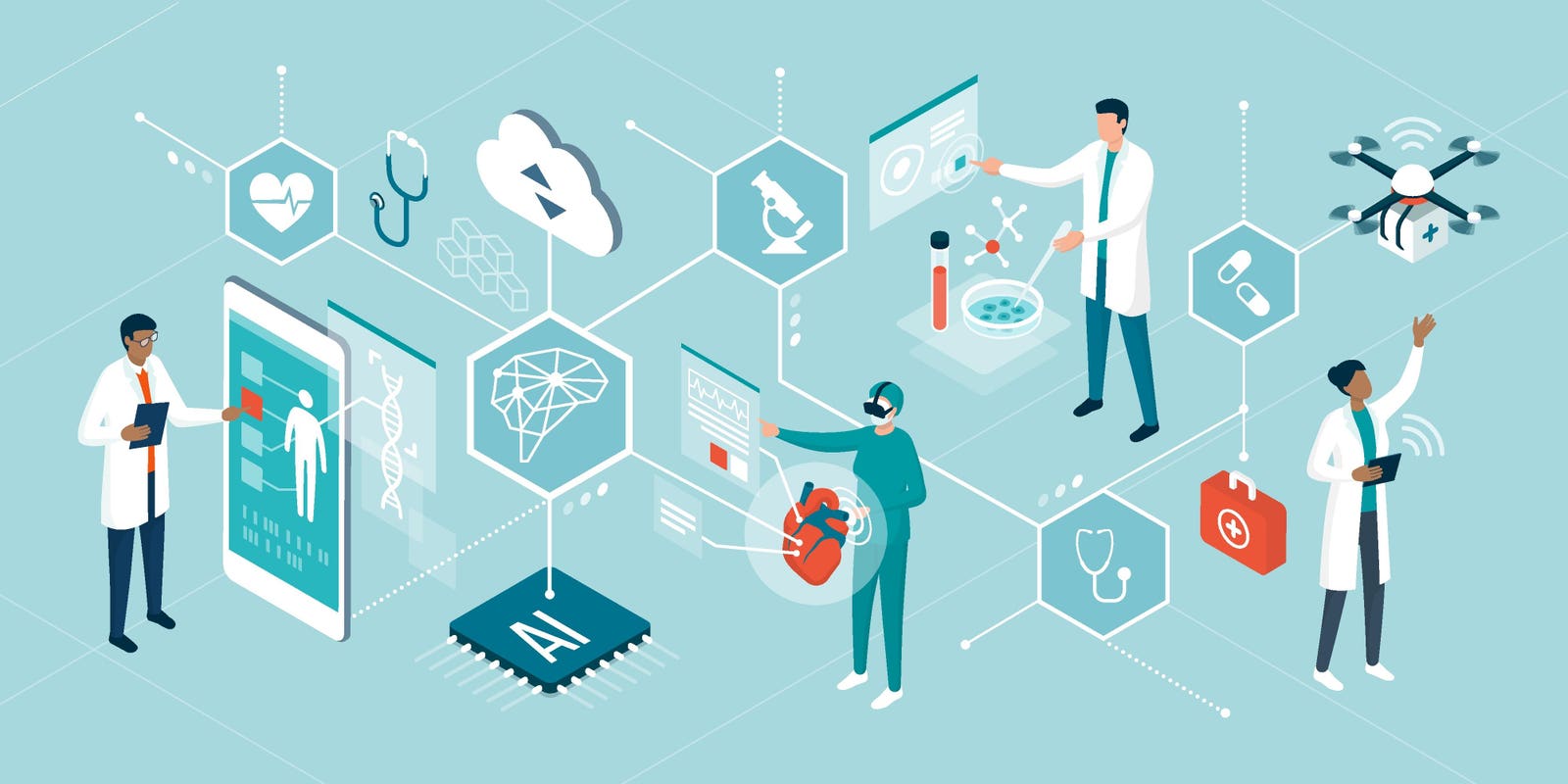
The revolution of artificial intelligence (AI) in healthcare has just begun, with vast potential to transform patient care, research, and drug discovery. In a recent article by Forbes, five promising areas where AI could make a significant impact are highlighted.

1. Speeding New Drug Development

Drug discovery is a lengthy and costly process, often taking 10 to 15 years and costing billions. AI is beginning to change this dynamic. For instance, Insilico Medicine initiated a Phase I human trial for an anti-fibrotic drug discovered by AI in just 30 months. Although no AI-discovered drugs have yet been approved by the FDA, the rapid progress is promising.

2. Helping Doctors Make Tricky Diagnoses

AI is proving to be a valuable ally in clinical medicine. A study published in JAMA demonstrated that AI can assist doctors in diagnosing complex cases, showing the potential of AI to act as a copilot in challenging medical decision-making.

3. Improving Interpretation Of Diagnostic Images

AI’s ability to enhance diagnostic accuracy is evident in imaging. A study in Nature Medicine showed that AI models could outperform radiologists in detecting early lung cancer from CT scans. Similarly, a study in Lancet Digital Health found that AI-assisted mammography improved breast cancer detection rates.

4. Allowing Doctors To Focus On Patients

Ambient AI technology is revolutionizing the way doctors interact with patients. By listening to patient-doctor encounters and creating draft notes, it allows doctors to focus more on patient interaction. A study in NEJM Catalyst reported high adoption rates of Ambient AI, indicating its potential to streamline documentation.

5. Letting Patients Feel Heard

AI is also enhancing patient communication. Research published in the Proceedings of the National Academy of Sciences found that AI-generated messages often made patients feel more heard compared to human-generated ones. This suggests AI could play a supportive role in fostering empathy and understanding in healthcare communication.

The proliferation of healthcare AI companies signifies a transformative era. While it’s unclear which innovations will endure, the integration of AI into healthcare promises to reshape the industry profoundly.


More Articles

Getting licensed or staying ahead in your career can be a journey—but it doesn’t have to be overwhelming. Grab your favorite coffee or tea, take a moment to relax, and browse through our articles. Whether you’re just starting out or renewing your expertise, we’ve got tips, insights, and advice to keep you moving forward. Here’s to your success—one sip and one step at a time!

KBank’s Crypto Dilemma: Navigating Legislative Changes Amid IPO Plans

The financial landscape in South Korea is poised for a seismic shift as KBank, a major digital bank, grapples with a legislative curveball. The bank, which is heavily reliant on deposits from Upbit, Korea’s dominant cryptocurrency exchange, is facing a potential profit squeeze. The new Virtual Asset User Protection Act, set to take effect on July 19, 2024, mandates that banks must pay interest on crypto exchange deposits, a move that could severely impact KBank's bottom line.

By |December 29, 2024|Categories: Article, Cryptocurrency, Finance|Tags: |0 Comments

The Transformation of Healthcare: AI’s Role in Diagnostics and Personalized Medicine

AI's ability to analyze vast amounts of data is paving the way for a profound change in medical diagnostics. Khosla predicted that AI could take over up to 80% of standard medical tasks, reducing errors and biases in human diagnosis. This is particularly evident in fields like radiology and pathology, where AI's proficiency in analyzing medical imaging allows for the early detection of diseases such as cancer, significantly improving treatment outcomes.

The Geography of Pandemic-Era Home Price Trends and Implications for Affordability

The COVID-19 pandemic has dramatically reshaped the housing market landscape, resulting in an unprecedented surge in home prices throughout the United States.

By |December 28, 2024|Categories: Affordability Issues, Article, Housing Market|Tags: |0 Comments

AI in Healthcare: Transforming the Industry Today and Tomorrow

In a world where technology is rapidly evolving, artificial intelligence (AI) is proving to be a game-changer in the healthcare sector. AI-powered tools are improving patient outcomes, enhancing operational efficiency, and reducing costs, reshaping the very fabric of healthcare delivery.

By |December 28, 2024|Categories: Article, Artificial Intelligence, Healthcare|Tags: |0 Comments

Revolutionizing Surgical Training with VR and AI

In a groundbreaking study published by Nature, researchers have unveiled a novel approach to surgical training using a low-fidelity virtual reality (VR) simulator enhanced with artificial intelligence (AI) for objective assessment. This pioneering method is poised to transform how medical students acquire laparoscopic skills, offering a cost-effective and efficient alternative to traditional training models.

AI and Machine Learning: Revolutionizing the Healthcare Industry

AI in healthcare is projected to grow into a $188 billion industry worldwide by 2030, promising to revolutionize the field. From drug development to improved diagnostics, AI is already making significant strides, transforming medical practices and enhancing patient care efficiency.

By |December 27, 2024|Categories: Article, Healthcare, Technology|Tags: , |0 Comments