The Dawn of Personalized Medicine: AI’s Transformative Role in Healthcare
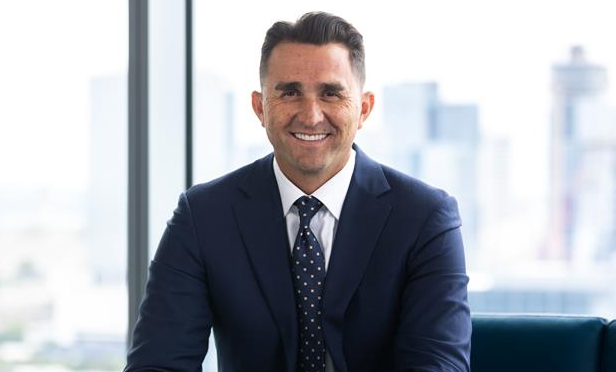
In a world where the promise of personalized medicine is finally being realized, Erez Meltzer, CEO & Board Member of Nanox, stands at the forefront of this revolution. With over 35 years of experience leading global companies, Meltzer is witnessing firsthand how artificial intelligence (AI) is reshaping patient care, moving beyond mere incremental improvements to offer truly individualized healthcare at scale.
While the concept of personalized medicine is not new, its effective implementation has been hampered by the complexity of human biology and the sheer volume of data involved. Here, AI emerges as a game-changer, providing the computational power and analytical prowess needed to process this complexity and extract actionable insights. As AI continues to learn from the vast amounts of healthcare data, its accuracy and predictive capabilities grow exponentially, enhancing its ability to personalize care.
Revolutionizing Diagnostics and Early Detection
AI is making significant strides in diagnostics and early detection. Advanced algorithms, particularly deep learning models, are analyzing medical imaging data with unprecedented accuracy and speed. These AI systems augment, rather than replace, radiologists, enabling more precise and efficient diagnoses and the ability to quickly identify incidental findings in scans.
The true power of AI in diagnostics lies in its ability to personalize the process. By considering individual risk factors, AI can tailor screening schedules, ensuring high-risk patients receive more frequent screenings while reducing unnecessary procedures for low-risk individuals. This approach not only improves patient outcomes but also optimizes healthcare resources.
Predictive Analytics: A New Frontier in Preventive Care
The potential of AI in predictive analytics is vast. By integrating data from various sources—including electronic health records, genetic information, and lifestyle data—AI models can predict individual patient risks with unprecedented accuracy. For instance, researchers at the University of Virginia have developed an AI model for predicting outcomes in heart failure patients, enabling healthcare providers to tailor their interventions accordingly.
Moreover, models like the pancreatic cancer risk model from MIT’s Computer Science & Artificial Intelligence Laboratory have the potential to expand early screening benefits from 10% to 35% of patients. By identifying individual risk factors early, we can develop personalized strategies to manage these risks, potentially reducing the burden of chronic diseases and improving overall health outcomes.
Personalizing Treatment Plans
AI’s impact extends well into the treatment phase. AI-assisted treatment planning is emerging as a powerful tool for clinicians, allowing for more personalized and effective care strategies. A team at Northwestern University’s McGaw Medical Center is creating a model to predict long-term outcomes for breast cancer patients, aiming to recategorize patients for shorter, less intense treatment plans with fewer side effects.
Addressing Challenges and Ethical Considerations
Despite AI’s massive potential in healthcare, key challenges remain. Integrating AI requires buy-in from various stakeholders, from overloaded IT departments to hesitant doctors. Furthermore, the risk of bias in AI models, if not trained on diverse datasets, can exacerbate existing healthcare disparities. Ensuring fairness and equity in AI-driven healthcare is both an ethical and practical necessity.
As we increasingly rely on AI for healthcare decisions, addressing these challenges is paramount. Ensuring the integrity and adaptability of AI algorithms, mitigating biases, and preserving the human element in healthcare remain essential priorities.
The Path Forward
Looking ahead, AI has the potential to revolutionize healthcare by enabling personalization across the entire patient journey. However, AI should support, not replace, healthcare professionals. As we continue to develop AI technologies, we must do so responsibly, focusing on improving patient outcomes and maintaining trust. By embracing these technologies ethically, we can create a healthcare system that truly centers on the individual patient.
The AI revolution in healthcare is well underway, and as industry leaders, it is our responsibility to guide this transformation. The potential benefits—lives improved and saved—are too significant to ignore.
More Articles
Getting licensed or staying ahead in your career can be a journey—but it doesn’t have to be overwhelming. Grab your favorite coffee or tea, take a moment to relax, and browse through our articles. Whether you’re just starting out or renewing your expertise, we’ve got tips, insights, and advice to keep you moving forward. Here’s to your success—one sip and one step at a time!
After years of soaring premiums and insurer instability, Florida’s property insurance market is finally turning a corner. Major carriers have filed 83 requests for rate decreases heading into 2026, with companies like Florida Peninsula and Patriot Select proposing cuts of 8.4% and 11.3%. Some homeowners may see relief as early as next month, signaling a long‑awaited shift toward market stability.
Fix-and-flip investing is gearing up for one of its strongest years in a decade as 2026 approaches. With cheaper capital, more accessible funding, easing interest rates, and long-awaited increases in housing inventory, investors are finding the perfect environment to launch or scale renovation-based real estate businesses. Renovation continues to outpace new construction in cost and speed, and demand for move-in-ready homes remains high, making 2026 a powerful opportunity window for both new and experienced investors.
After a short-lived period of relief in 2025, the U.S. rental market may be headed for a tighter, more expensive 2026. With construction starts dropping nearly 11% and completions plunging 42%, the surge of new apartments that helped lower rents is rapidly drying up. Rising costs, shrinking inventory, and a slowdown in new development point to a potential rental crunch that could leave renters facing heavier competition and higher prices across major markets next year.
The commercial real estate market is entering a rare reset that experts say mirrors the post‑2008 boom, creating a potential window for disciplined investors. With trillions in commercial debt coming due and property values dropping up to 40%, firms like AARE are positioning themselves to acquire assets below replacement cost—an advantage that could set the stage for significant long‑term growth.
Commercial real estate is entering a reinvention phase, with AI‑driven productivity, modernized office demand, experience‑focused retail, expanding industrial logistics, creative housing solutions, and sustainability‑centered design all accelerating nationwide. These six forces are shaping how investors, brokers, and future licensees will operate in a rapidly evolving U.S. market.
After years of economic uncertainty and cautious decision‑making, 2026 is shaping up to be the year professionals finally catch a break. AI is moving from buzzword to essential tool, capital markets are beginning to thaw, and hiring is picking up across real estate, mortgage, insurance, finance, and healthcare. With opportunity returning, many professionals are using this moment to upskill—pursuing new licenses, certifications, and cross‑industry expertise.