The Dawn of Personalized Medicine: AI’s Transformative Role in Healthcare
In a world where the promise of personalized medicine is finally being realized, Erez Meltzer, CEO & Board Member of Nanox, stands at the forefront of this revolution. With over 35 years of experience leading global companies, Meltzer is witnessing firsthand how artificial intelligence (AI) is reshaping patient care, moving beyond mere incremental improvements to offer truly individualized healthcare at scale.
While the concept of personalized medicine is not new, its effective implementation has been hampered by the complexity of human biology and the sheer volume of data involved. Here, AI emerges as a game-changer, providing the computational power and analytical prowess needed to process this complexity and extract actionable insights. As AI continues to learn from the vast amounts of healthcare data, its accuracy and predictive capabilities grow exponentially, enhancing its ability to personalize care.
Revolutionizing Diagnostics and Early Detection
AI is making significant strides in diagnostics and early detection. Advanced algorithms, particularly deep learning models, are analyzing medical imaging data with unprecedented accuracy and speed. These AI systems augment, rather than replace, radiologists, enabling more precise and efficient diagnoses and the ability to quickly identify incidental findings in scans.
The true power of AI in diagnostics lies in its ability to personalize the process. By considering individual risk factors, AI can tailor screening schedules, ensuring high-risk patients receive more frequent screenings while reducing unnecessary procedures for low-risk individuals. This approach not only improves patient outcomes but also optimizes healthcare resources.
Predictive Analytics: A New Frontier in Preventive Care
The potential of AI in predictive analytics is vast. By integrating data from various sources—including electronic health records, genetic information, and lifestyle data—AI models can predict individual patient risks with unprecedented accuracy. For instance, researchers at the University of Virginia have developed an AI model for predicting outcomes in heart failure patients, enabling healthcare providers to tailor their interventions accordingly.
Moreover, models like the pancreatic cancer risk model from MIT’s Computer Science & Artificial Intelligence Laboratory have the potential to expand early screening benefits from 10% to 35% of patients. By identifying individual risk factors early, we can develop personalized strategies to manage these risks, potentially reducing the burden of chronic diseases and improving overall health outcomes.
Personalizing Treatment Plans
AI’s impact extends well into the treatment phase. AI-assisted treatment planning is emerging as a powerful tool for clinicians, allowing for more personalized and effective care strategies. A team at Northwestern University’s McGaw Medical Center is creating a model to predict long-term outcomes for breast cancer patients, aiming to recategorize patients for shorter, less intense treatment plans with fewer side effects.
Addressing Challenges and Ethical Considerations
Despite AI’s massive potential in healthcare, key challenges remain. Integrating AI requires buy-in from various stakeholders, from overloaded IT departments to hesitant doctors. Furthermore, the risk of bias in AI models, if not trained on diverse datasets, can exacerbate existing healthcare disparities. Ensuring fairness and equity in AI-driven healthcare is both an ethical and practical necessity.
As we increasingly rely on AI for healthcare decisions, addressing these challenges is paramount. Ensuring the integrity and adaptability of AI algorithms, mitigating biases, and preserving the human element in healthcare remain essential priorities.
The Path Forward
Looking ahead, AI has the potential to revolutionize healthcare by enabling personalization across the entire patient journey. However, AI should support, not replace, healthcare professionals. As we continue to develop AI technologies, we must do so responsibly, focusing on improving patient outcomes and maintaining trust. By embracing these technologies ethically, we can create a healthcare system that truly centers on the individual patient.
The AI revolution in healthcare is well underway, and as industry leaders, it is our responsibility to guide this transformation. The potential benefits—lives improved and saved—are too significant to ignore.
More Articles
Getting licensed or staying ahead in your career can be a journey—but it doesn’t have to be overwhelming. Grab your favorite coffee or tea, take a moment to relax, and browse through our articles. Whether you’re just starting out or renewing your expertise, we’ve got tips, insights, and advice to keep you moving forward. Here’s to your success—one sip and one step at a time!
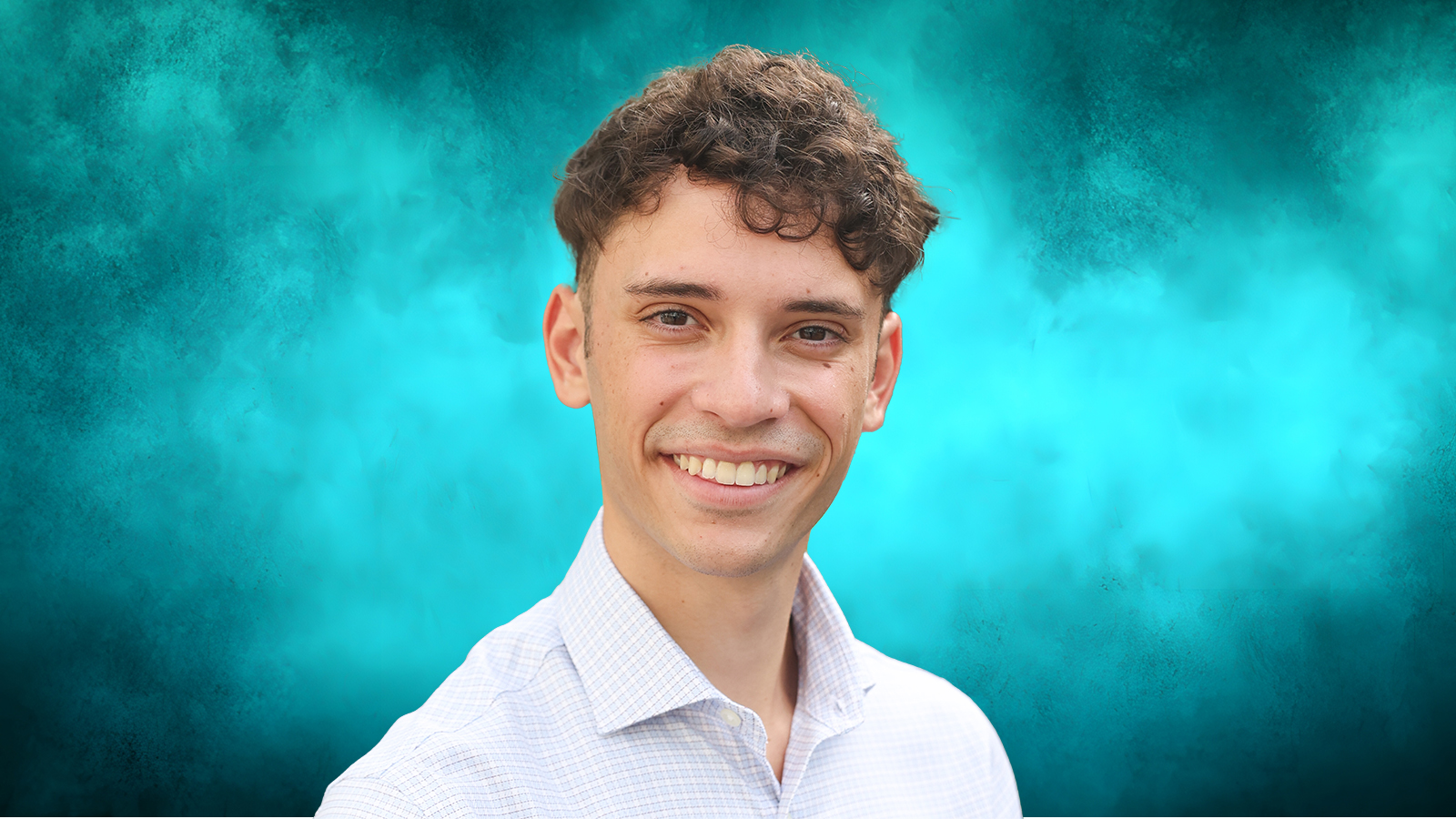
Florida families are feeling the squeeze as everyday costs, insurance premiums, and homeownership barriers continue to climb. House District 102 candidate Jayden D’Onofrio is calling for a broader, more unified affordability strategy—one that tackles the state’s insurance crisis, supports first‑time homebuyers, and restores real competition in the market. His message centers on transparency, practical solutions, and keeping Florida livable for the professionals, workers, and families who power its economy.
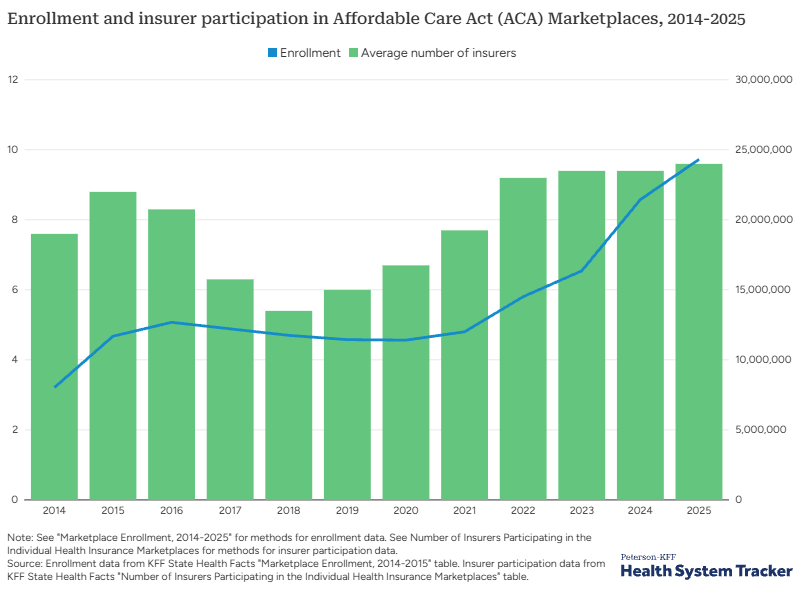
A decade of dramatic change is reshaping America’s health insurance markets. Employer group plans are becoming increasingly dominated by a few powerful insurers, while the ACA individual marketplace is experiencing record‑breaking competition and enrollment. Self‑funded plans are surging, small‑group premiums are driving employers to new coverage models, and major policy shifts in 2025 could redefine affordability for millions. This data‑driven Peterson‑KFF analysis breaks down the trends every insurance, finance, and business professional needs to understand as the industry enters a transformative new era.
Sarasota County is inching closer to approving Winchester Ranch, a massive 8,999‑home community planned for more than 3,100 acres in North Port. With a 7‑1 vote from the Planning Commission and a final decision expected in early 2026, the project could become one of Southwest Florida’s largest developments in decades—bringing new housing, commercial space, and industry while raising fresh questions about growth, the environment, and the region’s rapidly evolving real estate market.
Lument Finance Trust has closed a major $663.8 million commercial real estate CLO, marking one of the standout CRE finance deals of 2025. The transaction, LMNT 2025-FL3, features a strong reinvestment period, non‑recourse and non‑mark‑to‑market financing, and a diversified pool of 32 loans tied to 49 properties nationwide. With J.P. Morgan leading the structuring and more than $585 million placed in investment‑grade securities, the deal highlights renewed stability in transitional CRE debt—making it a development real estate and finance professionals will want to watch closely.
Walmart has partnered with Alquist 3D to roll out the nation’s first large‑scale wave of 3D‑printed commercial buildings, signaling a major shift in how future retail and industrial spaces will be constructed. After completing an 8,000‑square‑foot 3D‑printed expansion in Tennessee—the largest of its kind—the company is moving forward with over a dozen new projects nationwide, accelerating a tech‑driven transformation in commercial real estate.
Citizens Property Insurance Corp. is recommending statewide rate reductions for 2026—the first proposed decrease in more than a decade. Most Citizens policyholders could see an average 11.5% drop, reflecting recent insurance‑market reforms that have stabilized Florida’s turbulent property sector. With hundreds of thousands of policies moving back to private insurers and state‑backed Citizens shrinking to record‑low enrollment, real estate and insurance professionals should prepare for how lower premiums may influence affordability, buyer confidence, and market activity heading into 2026.