In the bustling political arena of New York City, where mayoral candidates are vying for the spotlight, one critical issue seems to be slipping through the cracks—education. Despite being the largest public school system in the United States, with over 900,000 students, New York City’s education system is receiving scant attention in the current mayoral race.
As reported by The New York Times, the candidates are largely silent on this $40 billion issue. While education has long been heralded as a great equalizer and a cornerstone of societal progress, it appears to be taking a backseat in the campaign discussions.
With the Democratic primary looming just nine weeks away, none of the leading candidates have put forth a comprehensive plan addressing elementary and secondary education. Their campaign platforms barely mention education, averaging about 75 words on the topic. Surprisingly absent is any substantial discussion of the pandemic’s ongoing impact on students, despite its significant toll on younger generations.
The city’s public education system is a potential engine of social mobility, yet it remains underrepresented in political discourse. The New York City Education Department, with a workforce exceeding 130,000, is a major employer in the region and commands a budget larger than the police, fire, and health departments combined.
However, the candidates’ silence is even more striking given the latest results from a federal exam, which revealed alarming declines in reading and math skills among the city’s lowest-performing students. The lack of robust plans to address chronic absenteeism—where over a third of students missed at least 10% of school days last year—further underscores this oversight.
Moreover, the increasing enrollment of students still learning English highlights a desperate need for more bilingual staff, a need that remains largely unaddressed in the candidates’ platforms. As the city grapples with these educational challenges, the absence of a focused dialogue on education in the mayoral race raises questions about the future of New York City’s school system.
For more insights into the candidates’ positions and the ongoing challenges facing New York City’s education system, explore the detailed coverage by The New York Times.
“`
More Articles
Getting licensed or staying ahead in your career can be a journey—but it doesn’t have to be overwhelming. Grab your favorite coffee or tea, take a moment to relax, and browse through our articles. Whether you’re just starting out or renewing your expertise, we’ve got tips, insights, and advice to keep you moving forward. Here’s to your success—one sip and one step at a time!
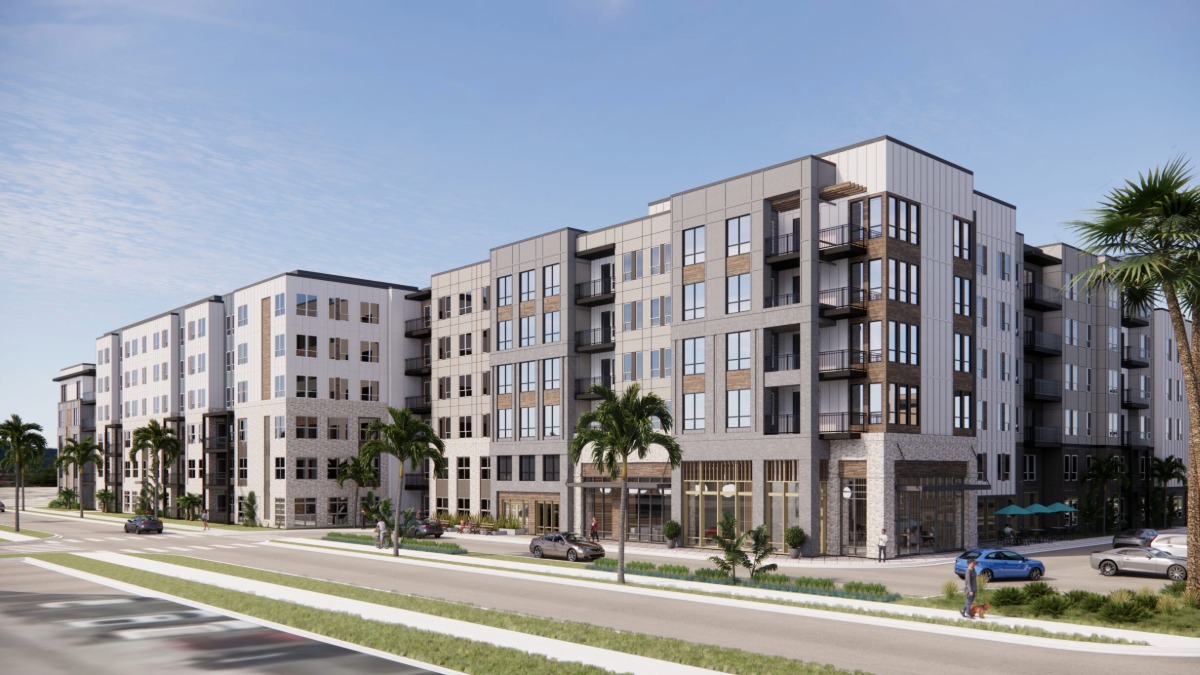
Landmark Properties has officially begun construction on The Mark Tampa, a six‑story luxury student community featuring over 800 beds, rooftop amenities, study spaces, retail, and modern unit layouts. Set to open before the 2027–2028 school year, the project signals strong investor confidence in North Tampa’s booming student housing market.
Florida’s property and auto insurance crisis is intensifying, setting the stage for a major political showdown ahead of the 2026 elections. Republicans argue recent reforms are finally stabilizing the market, while Democrats insist families are being crushed by soaring premiums and can’t wait for relief. With homeowners, condo associations, and insurers all feeling the pressure, lawmakers are preparing for one of the most consequential legislative battles in years.
Markets are betting heavily on a Federal Reserve rate cut in December, but that doesn’t guarantee lower mortgage rates. Even with an 85% chance of a cut priced in, mortgage rates move more with the 10‑year Treasury than the Fed itself — and recent history shows rates can rise even when the Fed eases. Today’s 6.43% average rate is the lowest in over a year, but still unpredictable, making financial readiness more important than trying to time the market.
Grand Junction is experiencing a powerful commercial real estate upswing, with 151 commercial units closed so far in 2025—a 36% jump from last year. Building permits are also up 23%, signaling expanding development momentum. Brokers say interest from national chains is accelerating the city’s evolution, bringing jobs, investment, and long‑term economic potential to Colorado’s Western Slope.
Nashville continues its rise as one of the nation’s most attractive real estate markets, landing the #6 spot in the Emerging Trends in Real Estate 2026 report from PwC and ULI. With strong demographic momentum, business expansion, and a development pipeline drawing national eyes, the city stands out amid shifting economic conditions. The report highlights fast‑growing sectors such as data centers, senior housing, and evolving office dynamics—offering real estate professionals valuable insight into where opportunities are emerging next.
Canada’s commercial real estate sector continues to evolve rapidly, with new data revealing major transactions, shifting investment patterns, and emerging economic signals across the country. From resilient retail spending to cooling construction and regional standouts like Montreal and the Prairies, this week’s CRE pulse—powered by Altus Group’s research team—gives real estate, mortgage, and finance professionals a sharp snapshot of the market forces to watch as 2025 winds down.