In the bustling political arena of New York City, where mayoral candidates are vying for the spotlight, one critical issue seems to be slipping through the cracks—education. Despite being the largest public school system in the United States, with over 900,000 students, New York City’s education system is receiving scant attention in the current mayoral race.
As reported by The New York Times, the candidates are largely silent on this $40 billion issue. While education has long been heralded as a great equalizer and a cornerstone of societal progress, it appears to be taking a backseat in the campaign discussions.
With the Democratic primary looming just nine weeks away, none of the leading candidates have put forth a comprehensive plan addressing elementary and secondary education. Their campaign platforms barely mention education, averaging about 75 words on the topic. Surprisingly absent is any substantial discussion of the pandemic’s ongoing impact on students, despite its significant toll on younger generations.
The city’s public education system is a potential engine of social mobility, yet it remains underrepresented in political discourse. The New York City Education Department, with a workforce exceeding 130,000, is a major employer in the region and commands a budget larger than the police, fire, and health departments combined.
However, the candidates’ silence is even more striking given the latest results from a federal exam, which revealed alarming declines in reading and math skills among the city’s lowest-performing students. The lack of robust plans to address chronic absenteeism—where over a third of students missed at least 10% of school days last year—further underscores this oversight.
Moreover, the increasing enrollment of students still learning English highlights a desperate need for more bilingual staff, a need that remains largely unaddressed in the candidates’ platforms. As the city grapples with these educational challenges, the absence of a focused dialogue on education in the mayoral race raises questions about the future of New York City’s school system.
For more insights into the candidates’ positions and the ongoing challenges facing New York City’s education system, explore the detailed coverage by The New York Times.
“`
More Articles
Getting licensed or staying ahead in your career can be a journey—but it doesn’t have to be overwhelming. Grab your favorite coffee or tea, take a moment to relax, and browse through our articles. Whether you’re just starting out or renewing your expertise, we’ve got tips, insights, and advice to keep you moving forward. Here’s to your success—one sip and one step at a time!
Skyrocketing insurance premiums and soaring rebuilding costs are transforming communities across Southwest Florida, especially in the wake of Hurricane Ian. As longtime residents struggle to keep up with rising financial pressure, wealthier newcomers and stricter building standards are reshaping the identity of places like Fort Myers Beach. With insurance rates now driving home sales, triggering potential foreclosures, and squeezing both owners and renters, Florida’s middle-class families face a growing question: can they afford to stay in the state they love?
Florida’s insurance industry is stabilizing fast, with nearly 1.6 million policies shifting from Citizens to private insurers and litigation dropping sharply. Regulators report stronger market confidence, decreasing premiums, and renewed competition—signaling one of the healthiest periods the state has seen in years.
A Leon County judge has ordered the restart of arbitration for Citizens Property Insurance claims, directly conflicting with a previous ruling that halted the process as potentially unconstitutional. With more than 400 cases now back in motion, real estate, insurance, and mortgage professionals can expect renewed activity in claim disputes and fresh uncertainty as Florida courts clash over the legality of Citizens’ arbitration system.
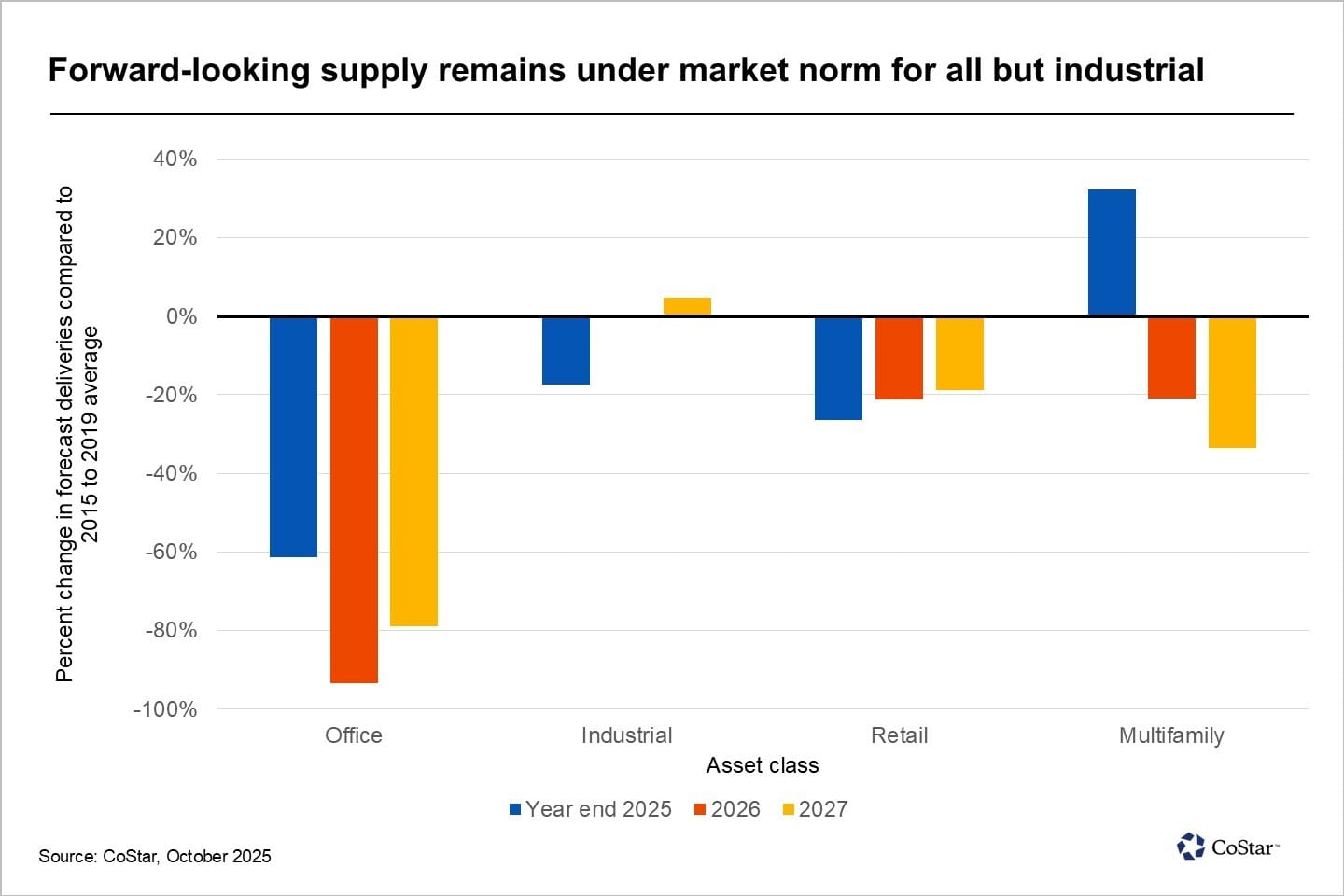
The DFW market is transitioning into a new construction phase marked by a slowdown in office development, a more selective approach to industrial projects, and an evolving housing landscape shaped by affordability and population growth. Developers are recalibrating their priorities, and for real estate professionals, understanding these shifts offers a critical edge in navigating—and capitalizing on—the next phase of the metroplex’s growth.
A new federal lawsuit claims Zillow pushed homebuyers toward Zillow Home Loans by rewarding affiliated agents with valuable leads — all without proper disclosure. The suit alleges undisclosed incentives, referral quotas, and potential RESPA violations, raising major concerns about steering, fiduciary duties, and Zillow’s expanding mortgage ambitions.
The mortgage industry is evolving fast, and the lenders who come out on top will be those who innovate without uprooting what already works. By building on strong technology foundations, streamlining workflows and adopting smart automation, lenders can reduce costs, improve customer experience and stay resilient in any market cycle. This article breaks down why innovation matters now, how a stable tech ecosystem protects lenders in volatile conditions and why small, strategic steps can drive long-term transformation.