Enhancing Patient Care and Workflow
The benefits of AI in radiology extend beyond image quality and scan speed. By automating routine tasks like image segmentation and measurement, AI serves as an “intelligent assistant” to radiologists, potentially reducing burnout and enhancing job satisfaction. This, in turn, allows healthcare professionals to dedicate more time to patient interactions and personal care.
Sustainability and Access
AI’s impact is not limited to clinical outcomes. As Londy notes, AI technologies are driving sustainability in healthcare by reducing energy consumption and CO2 emissions, thereby alleviating cost pressures and improving access to essential imaging services.
Looking Ahead
The future of medical imaging is bright, with AI poised to play an even more significant role. As deep learning continues to evolve, its applications will extend into planning and diagnosis, revolutionizing the patient experience and unlocking new possibilities in personalized medicine.
In the realm of neuroscience, AI-powered MRI is already making strides, offering insights into brain structures and functionalities previously unexplored. These innovations promise to enhance the diagnosis and treatment of complex neurological disorders, paving the way for breakthroughs in medical science.
As we stand on the brink of this technological transformation, the potential for AI to empower clinicians and improve patient care is immense. The integration of AI into clinical practice is set to revolutionize radiology, making diagnostics faster, more accurate, and more accessible than ever before.
Kelly Londy is president and CEO of GE HealthCare’s MR business. The views expressed in this article are her own and do not necessarily reflect those of AuntMinnie.com.
“`
Enhancing Patient Care and Workflow
The benefits of AI in radiology extend beyond image quality and scan speed. By automating routine tasks like image segmentation and measurement, AI serves as an “intelligent assistant” to radiologists, potentially reducing burnout and enhancing job satisfaction. This, in turn, allows healthcare professionals to dedicate more time to patient interactions and personal care.
Sustainability and Access
AI’s impact is not limited to clinical outcomes. As Londy notes, AI technologies are driving sustainability in healthcare by reducing energy consumption and CO2 emissions, thereby alleviating cost pressures and improving access to essential imaging services.
Looking Ahead
The future of medical imaging is bright, with AI poised to play an even more significant role. As deep learning continues to evolve, its applications will extend into planning and diagnosis, revolutionizing the patient experience and unlocking new possibilities in personalized medicine.
In the realm of neuroscience, AI-powered MRI is already making strides, offering insights into brain structures and functionalities previously unexplored. These innovations promise to enhance the diagnosis and treatment of complex neurological disorders, paving the way for breakthroughs in medical science.
As we stand on the brink of this technological transformation, the potential for AI to empower clinicians and improve patient care is immense. The integration of AI into clinical practice is set to revolutionize radiology, making diagnostics faster, more accurate, and more accessible than ever before.
Kelly Londy is president and CEO of GE HealthCare’s MR business. The views expressed in this article are her own and do not necessarily reflect those of AuntMinnie.com.
“`
AI Transforming Health Care: Bridging Academic and Clinical Practices
Artificial intelligence (AI) is revolutionizing diagnostics, treatment, and patient care, with significant advancements particularly noted in fields like radiology and oncology.

Getting licensed or staying ahead in your career can be a journey—but it doesn’t have to be overwhelming. Grab your favorite coffee or tea, take a moment to relax, and browse through our articles. Whether you’re just starting out or renewing your expertise, we’ve got tips, insights, and advice to keep you moving forward. Here’s to your success—one sip and one step at a time!
Artificial intelligence (AI) is revolutionizing diagnostics, treatment, and patient care, with significant advancements particularly noted in fields like radiology and oncology.
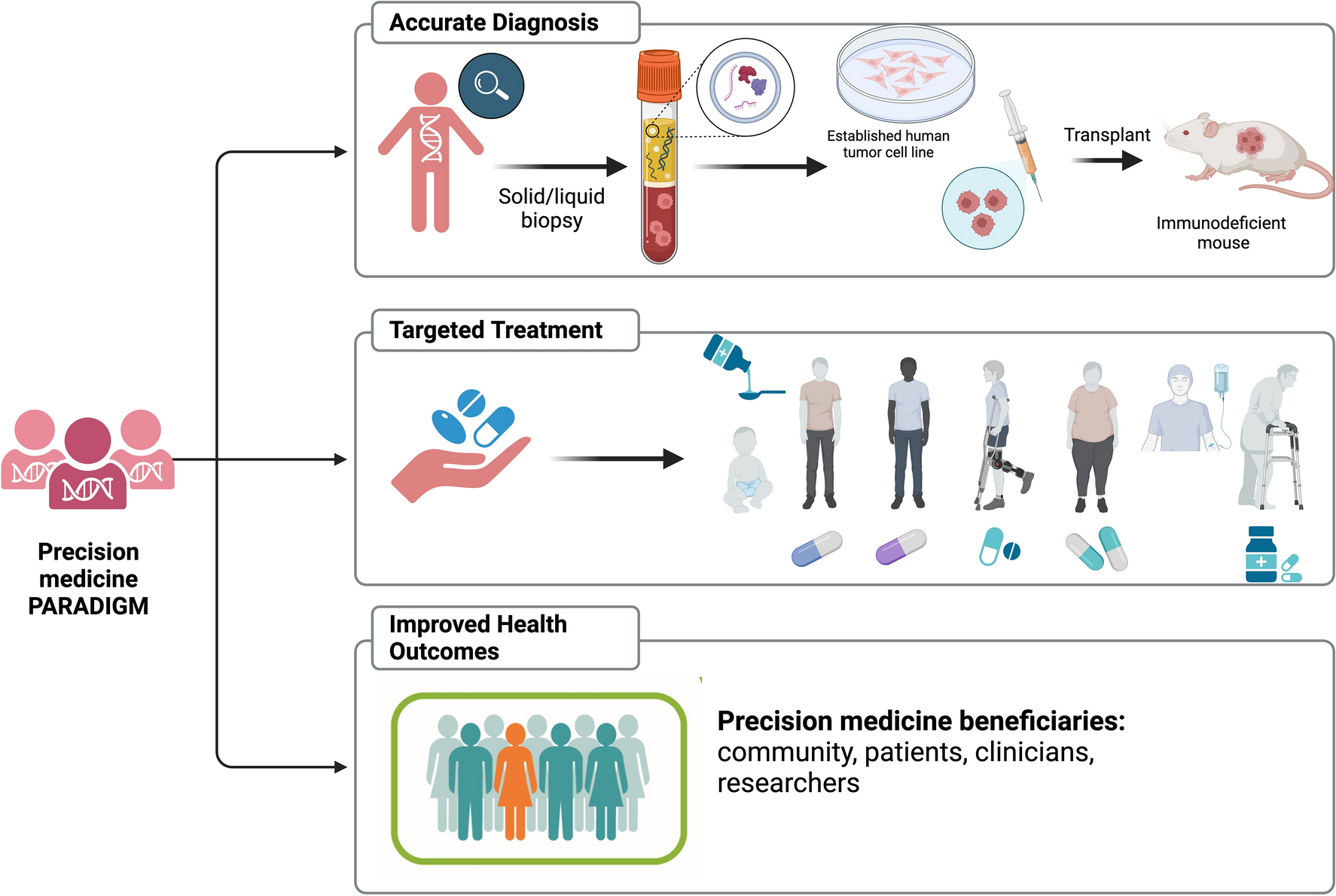
AI tools are now being leveraged to analyze images and tissue samples, offering insights that surpass traditional methods. AI's integration into healthcare, particularly in oncology, marks a significant shift towards precision medicine.
AI's potential to revolutionize healthcare lies in its ability to process vast amounts of data, uncover hidden patterns, and support clinical decision-making. It is particularly promising in the realms of drug development and clinical practice, where it can streamline processes, reduce costs, and improve patient experiences.
Nurses, the unsung heroes on the front lines of patient care, are increasingly embracing telehealth technology as a core component of their roles. Telehealth offers a transformative opportunity to enhance patient outcomes and broaden access to healthcare. This shift is particularly pertinent in the face of an aging population and ongoing nursing shortages.
In the ever-evolving world of finance, the FinTech sector has been a beacon of innovation and disruption over the past decade.
AI enhances the ability to interpret medical images such as X-rays and MRIs, often surpassing human accuracy. By identifying patterns that even seasoned professionals might miss, AI complements human expertise, improving diagnostic precision.