Enhancing Patient Care and Workflow
The benefits of AI in radiology extend beyond image quality and scan speed. By automating routine tasks like image segmentation and measurement, AI serves as an “intelligent assistant” to radiologists, potentially reducing burnout and enhancing job satisfaction. This, in turn, allows healthcare professionals to dedicate more time to patient interactions and personal care.
Sustainability and Access
AI’s impact is not limited to clinical outcomes. As Londy notes, AI technologies are driving sustainability in healthcare by reducing energy consumption and CO2 emissions, thereby alleviating cost pressures and improving access to essential imaging services.
Looking Ahead
The future of medical imaging is bright, with AI poised to play an even more significant role. As deep learning continues to evolve, its applications will extend into planning and diagnosis, revolutionizing the patient experience and unlocking new possibilities in personalized medicine.
In the realm of neuroscience, AI-powered MRI is already making strides, offering insights into brain structures and functionalities previously unexplored. These innovations promise to enhance the diagnosis and treatment of complex neurological disorders, paving the way for breakthroughs in medical science.
As we stand on the brink of this technological transformation, the potential for AI to empower clinicians and improve patient care is immense. The integration of AI into clinical practice is set to revolutionize radiology, making diagnostics faster, more accurate, and more accessible than ever before.
Kelly Londy is president and CEO of GE HealthCare’s MR business. The views expressed in this article are her own and do not necessarily reflect those of AuntMinnie.com.
“`
Enhancing Patient Care and Workflow
The benefits of AI in radiology extend beyond image quality and scan speed. By automating routine tasks like image segmentation and measurement, AI serves as an “intelligent assistant” to radiologists, potentially reducing burnout and enhancing job satisfaction. This, in turn, allows healthcare professionals to dedicate more time to patient interactions and personal care.
Sustainability and Access
AI’s impact is not limited to clinical outcomes. As Londy notes, AI technologies are driving sustainability in healthcare by reducing energy consumption and CO2 emissions, thereby alleviating cost pressures and improving access to essential imaging services.
Looking Ahead
The future of medical imaging is bright, with AI poised to play an even more significant role. As deep learning continues to evolve, its applications will extend into planning and diagnosis, revolutionizing the patient experience and unlocking new possibilities in personalized medicine.
In the realm of neuroscience, AI-powered MRI is already making strides, offering insights into brain structures and functionalities previously unexplored. These innovations promise to enhance the diagnosis and treatment of complex neurological disorders, paving the way for breakthroughs in medical science.
As we stand on the brink of this technological transformation, the potential for AI to empower clinicians and improve patient care is immense. The integration of AI into clinical practice is set to revolutionize radiology, making diagnostics faster, more accurate, and more accessible than ever before.
Kelly Londy is president and CEO of GE HealthCare’s MR business. The views expressed in this article are her own and do not necessarily reflect those of AuntMinnie.com.
“`
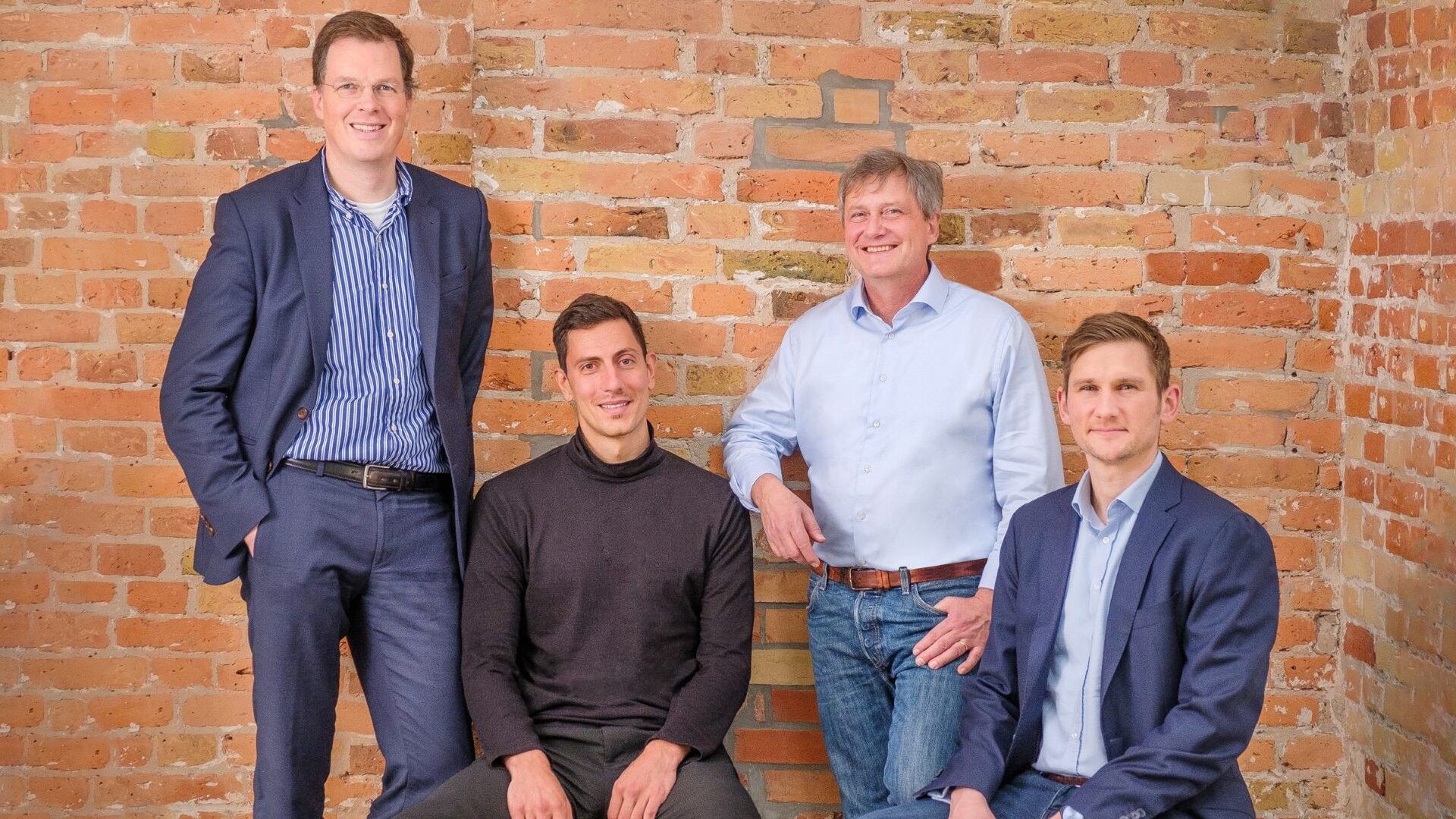
Berlin-based Aignostics Secures €31.4 Million Series B Funding
In a significant stride for precision medicine, Aignostics, a pioneering artificial intelligence company, has announced the successful closure of a €31.4 million Series B funding round.

Getting licensed or staying ahead in your career can be a journey—but it doesn’t have to be overwhelming. Grab your favorite coffee or tea, take a moment to relax, and browse through our articles. Whether you’re just starting out or renewing your expertise, we’ve got tips, insights, and advice to keep you moving forward. Here’s to your success—one sip and one step at a time!
In a significant stride for precision medicine, Aignostics, a pioneering artificial intelligence company, has announced the successful closure of a €31.4 million Series B funding round.
In a world where technology is rapidly reshaping industries, the intersection of artificial intelligence (AI) and health care stands as a beacon of transformative potential. The Bipartisan Policy Center (BPC), a nonprofit organization dedicated to fostering bipartisan solutions, has recently addressed this critical synergy, emphasizing both the opportunities and challenges that lie ahead.
As we step into 2024, the construction industry is navigating a complex landscape marked by both challenges and opportunities. Labor shortages and supply chain disruptions continue to pose significant hurdles. Yet, there are bright spots on the horizon, with environmentally responsible projects and AI-driven innovations leading the charge.
"If AI is working the way that we envision it, you actually won’t notice a lot of direct impact," says Sam Scarpino, the AI+Life Sciences director at Northeastern University. The vision is for AI to operate quietly in the background, much like a well-oiled engine, enhancing the efficiency of medical processes and enabling earlier detection of diseases, such as cancer.
The U.S. Department of Transportation has released a comprehensive plan to accelerate the rollout of this transformative technology across American roads. V2X technology allows cars and trucks to exchange critical information such as speed, position, and road conditions with each other and with road infrastructure. This system is designed to prevent collisions and reduce the impact of crashes, potentially saving thousands of lives annually.
In a groundbreaking effort to unravel the mysteries of rare diseases, a recent Germany-wide study has leveraged cutting-edge genetic diagnostics to make significant strides in understanding these elusive conditions.