“`html

The DeFi Revolution: Reshaping Finance

The rise of blockchain technology is fundamentally transforming the financial landscape, ushering in a new era of Decentralized Finance (DeFi). This is not just a passing trend but a significant leap in how financial services will be delivered and accessed in the future. DeFi enables peer-to-peer financial interactions without intermediaries, challenging the very foundations of traditional banking systems.

From Bitcoin to Ethereum: A New Financial Frontier

Since the introduction of Bitcoin in 2008, blockchain technology has evolved significantly. The launch of Ethereum in 2015, with its smart contract capabilities, opened up new possibilities in finance. This paved the way for platforms like Aave, MakerDAO, Compound, and Uniswap to disrupt traditional financial systems, offering decentralized alternatives for lending, borrowing, and trading.
As of 2024, the Total Value Locked (TVL) in DeFi protocols is approximately $54 billion, indicating a growing trend where conventional financial institutions must engage with this disruptive technology.

Convergence of Traditional and Decentralized Finance

Initially, financial institutions approached blockchain with caution, maintaining a clear separation from the crypto space. However, consumer demand has led to a hybrid integration, blending digital and traditional financial services. DeFi’s systemic capabilities, such as enhanced accessibility, transparency, and efficiency, are becoming increasingly appealing.
Unlike traditional banking systems that often exclude individuals due to insufficient credit history or geographical barriers, DeFi provides open access to anyone with internet connectivity. Moreover, DeFi’s transparent operations stand in stark contrast to the opaque practices of traditional banks.

Impact on Lending and Payments Markets

In the lending market, DeFi’s rapid growth is evident. Although it constitutes less than 1% of global household debt, DeFi’s impact is profound, prompting traditional institutions to reassess their risk assessment and underwriting models. DeFi offers unique lending models outside conventional broker channels, providing higher yields and improved accessibility.
The payments sector is also undergoing transformation. Traditional cross-border settlements often involve lengthy procedural bottlenecks, especially during weekends and holidays. Cryptocurrencies facilitate quicker transactions, and global payment networks like Visa and Mastercard are exploring stablecoin settlements, hinting at a reshaped payments landscape.

New Investment Instruments and Strategies

The rise of cryptocurrency exchange-traded products (ETPs) and ETFs introduces new investment opportunities. With around 900 products listed globally, amounting to nearly $10 billion, these instruments make digital assets more accessible to traditional investors. Institutional involvement in crypto investments substantiates the mainstream status cryptocurrencies are acquiring.
Tokenization of assets represents another trend, enabling digital ownership of physical assets such as gold and real estate, facilitating fractional ownership and enhanced liquidity. This nascent development is drawing interest from individual and corporate investors alike.

The Future of Finance

Looking forward, DeFi has the potential to dramatically change the way financial services are delivered. While it might not entirely replace traditional banking, DeFi could help enhance transparency, efficiency, and inclusiveness within the industry. The article suggests a potential convergence between decentralized and mainstream financial models, offering a cooperative future in finance.
The original article was authored by Svyatoslav Garal, Global Head of Payments at Wirex, a fintech leader with extensive experience in banking, payments, and crypto industries. “`

More Articles

Getting licensed or staying ahead in your career can be a journey—but it doesn’t have to be overwhelming. Grab your favorite coffee or tea, take a moment to relax, and browse through our articles. Whether you’re just starting out or renewing your expertise, we’ve got tips, insights, and advice to keep you moving forward. Here’s to your success—one sip and one step at a time!

How AI Is Quietly Transforming the Modern Real Estate Agent’s Daily Workflow

Artificial intelligence has shifted from futuristic idea to everyday assistant for real estate professionals. Instead of replacing agents, AI now enhances their workflows—automating repetitive tasks, improving communication, strengthening branding, and turning complex market data into clear insights. From smarter CRMs to AI-powered marketing tools, today’s agents can focus more on relationships and client service while technology handles the busywork behind the scenes.

Florida Lawmakers Target Insurer Profit‑Shifting in New Bill Aimed at Stabilizing Homeowners Insurance

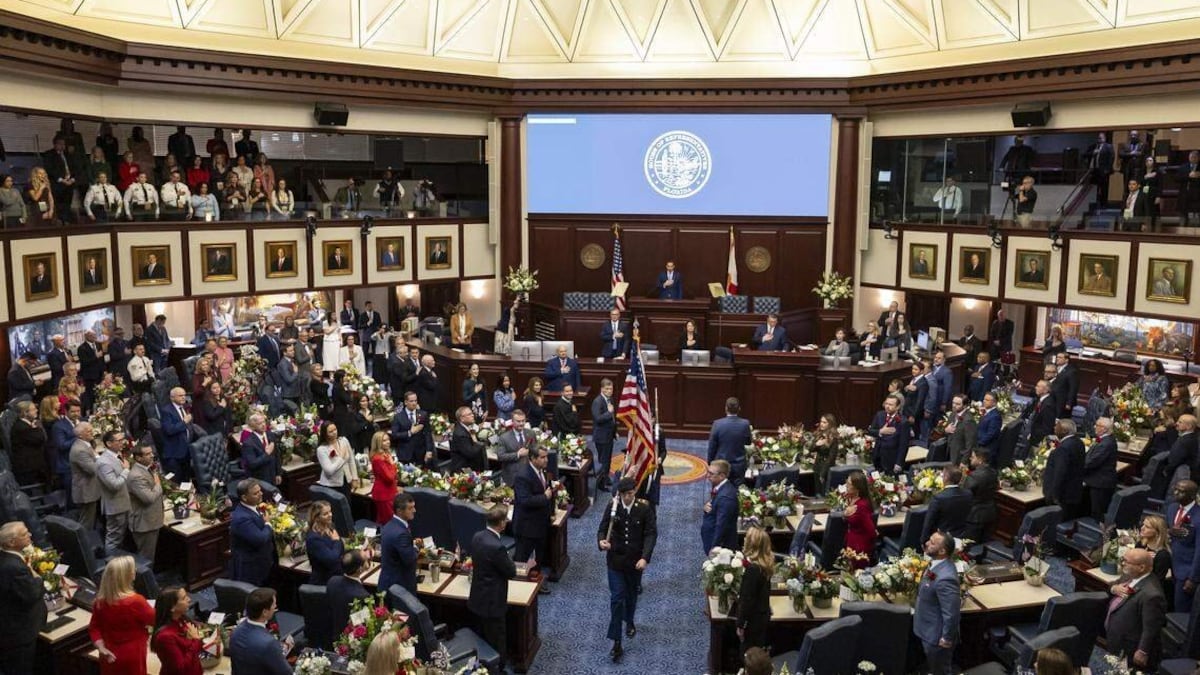
A Florida House committee is advancing a bill that would crack down on insurers shifting profits to affiliated companies — a practice highlighted by recent investigative reporting. With premiums soaring and options shrinking, the proposed oversight could reshape the state’s insurance landscape and create ripple effects across the real estate market, impacting buyers, agents, and investors statewide.

Tangent Proptech Celebrates 100 Episodes With Airbnb’s Vision for the Future of Flexible Living

Proptech podcast *Tangent* marks its 100th episode with an inside look at Airbnb’s evolving role in multifamily housing. Featuring Airbnb Real Estate Marketing Leader Eliza Lochner, the episode explores the rapid growth of Airbnb‑friendly apartments, the rise of flexible‑living models, and why renters and property owners are increasingly embracing hosting as a way to balance affordability, transparency, and control. For today’s real estate professionals—especially in fast‑changing markets like Florida—the conversation highlights major shifts in tenant expectations, property management strategies, and the intersection of technology, hospitality, and residential development.

Florida Homeowners Hit Breaking Point as Insurance Premiums Top $14,000

A Tampa Heights homeowner has joined the growing wave of Floridians dropping property insurance altogether after his 2026 renewal skyrocketed to $14,523. With up to 20% of residents now going bare, experts warn that soaring rates, shrinking coverage options, and post‑storm losses are pushing many to take risky measures — even as alternatives like liability‑only plans, dropped wind coverage, or home‑hardening upgrades may offer relief.

How New ERAS “Scholarly Works” Rules Could Reshape the Future of Medical Residency Applications

A major ERAS overhaul is coming in 2027, replacing the familiar “publications” field with a more rigorous category called “scholarly works.” Only peer‑reviewed submissions—such as manuscripts, abstracts, book chapters, and presentations—will qualify, shifting greater emphasis toward high‑quality research. While the change aims to give residency directors clearer insight into applicants’ academic contributions, many students worry that advocacy and policy work may lose visibility. As programs lean more heavily on research output in a post–Step 1 pass/fail era, future applicants will need to showcase not just what they’ve produced, but the depth and meaning behind it.

Mortgage Rates Rebound: What Professionals Need to Know in 2026

Mortgage rates have ticked back up to 6.25% after a brief dip, signaling a return to stability in the housing market. With rising inventory, moderating prices, and forecasts calling for steady rates through 2026, real estate and finance professionals can expect a more predictable environment ahead. This shift opens the door to smoother transactions, improved buyer confidence, and stronger opportunities for career growth across mortgage, real estate, insurance, and related fields.