As the digital age continues to evolve, the healthcare sector is experiencing a seismic shift, driven by the rise of telehealth, AI, and wearable technologies. This transformation is not only reshaping patient care but also enhancing accessibility and operational efficiency across the board.

The global digital health market is set to skyrocket, with projections estimating it will reach $551.09 billion by 2027. This growth is fueled by innovations that are setting new benchmarks in healthcare delivery.

Telehealth: A Game Changer in Healthcare


Telehealth has emerged as a pivotal player in the healthcare industry, especially during the COVID-19 pandemic. According to the U.S. Centers for Disease Control and Prevention, there was a 154% increase in telehealth visits during the last week of March 2020 compared to the same period in 2019. This surge highlights telehealth’s scalability and versatility in meeting diverse healthcare needs.

The impact of telehealth is particularly significant in mental health services, where virtual care has provided continuous support to patients, especially those in remote areas. The original article emphasizes the transformative role telehealth is playing across various sectors.

Beyond Healthcare: Cross-Industry Applications


Telehealth’s influence extends beyond traditional healthcare boundaries. In education, telehealth platforms are bridging the gap between medical knowledge and practical application, enhancing the clinical skills of medical students. In the corporate world, telehealth is being integrated into wellness programs, offering employees convenient access to health services, which in turn boosts productivity and reduces costs.

Revolutionizing Healthcare Operations with No-Code and Low-Code Platforms


The integration of No-Code (NC) and Low-Code (LC) platforms is revolutionizing healthcare operations. These platforms allow for the swift development and deployment of digital solutions, making technology more accessible to healthcare providers. This efficiency is crucial in rapidly evolving healthcare scenarios, such as during pandemics.

Studies have shown that NC and LC platforms can reduce application development costs by up to 20%, offering significant financial benefits to healthcare organizations.

Personalized Telehealth: Enhancing Patient Experience


Customizing telehealth services to cater to individual patient needs significantly enhances the healthcare experience. Personalized telehealth interventions have been shown to improve patient satisfaction and engagement, particularly in chronic disease management. This tailored approach not only improves outcomes but also fosters patient loyalty and trust.

The Future of Healthcare: Technological Integration


As we look to the future, AI-driven diagnostics and wearable technology are poised to redefine the healthcare landscape. AI is expected to revolutionize diagnostic accuracy and treatment efficacy, while wearable devices offer real-time patient monitoring, particularly for chronic conditions like diabetes and heart disease.

These technological advancements underscore the importance of equitable access to digital health, as emphasized by the World Health Organization. The healthcare industry is on the brink of a new era, where technology is central to creating a healthier, more connected world.

More Articles

Getting licensed or staying ahead in your career can be a journey—but it doesn’t have to be overwhelming. Grab your favorite coffee or tea, take a moment to relax, and browse through our articles. Whether you’re just starting out or renewing your expertise, we’ve got tips, insights, and advice to keep you moving forward. Here’s to your success—one sip and one step at a time!

Building an Integrated Approach to Real Estate Sustainability

Nearly 60% of global real estate CFOs lack the necessary data, processes, or internal controls to comply with current environmental regulations.

The Blockchain Revolution: Building the Future of Finance with DeFi

DeFi emerges as a beacon of transformation, promising to revolutionize how we interact with money. DeFi stands at the forefront, offering instant, transparent transactions without the constraints of conventional banking systems. This new paradigm opens doors to innovative investment opportunities and fosters a more inclusive global economy.

By |December 8, 2024|Categories: Article, Finance, Technology|Tags: , |0 Comments

Artificial Intelligence: A New Frontier in Neurological Care

AI's integration into neurology is not just a fleeting trend; it's a significant shift in how healthcare professionals approach complex neurological disorders.

By |December 8, 2024|Categories: Article, Healthcare, Technology|Tags: , |0 Comments

Celebrating Commitment to Physician Well-being

The American Medical Association (AMA) has recognized 62 health care organizations through its Joy in Medicine™ Health System Recognition Program. These organizations, representing over 140,000 physicians, have been acknowledged for their innovative strategies aimed at reducing stress and enhancing mental health among doctors.

Global Hospital Services Market Set for Substantial Growth

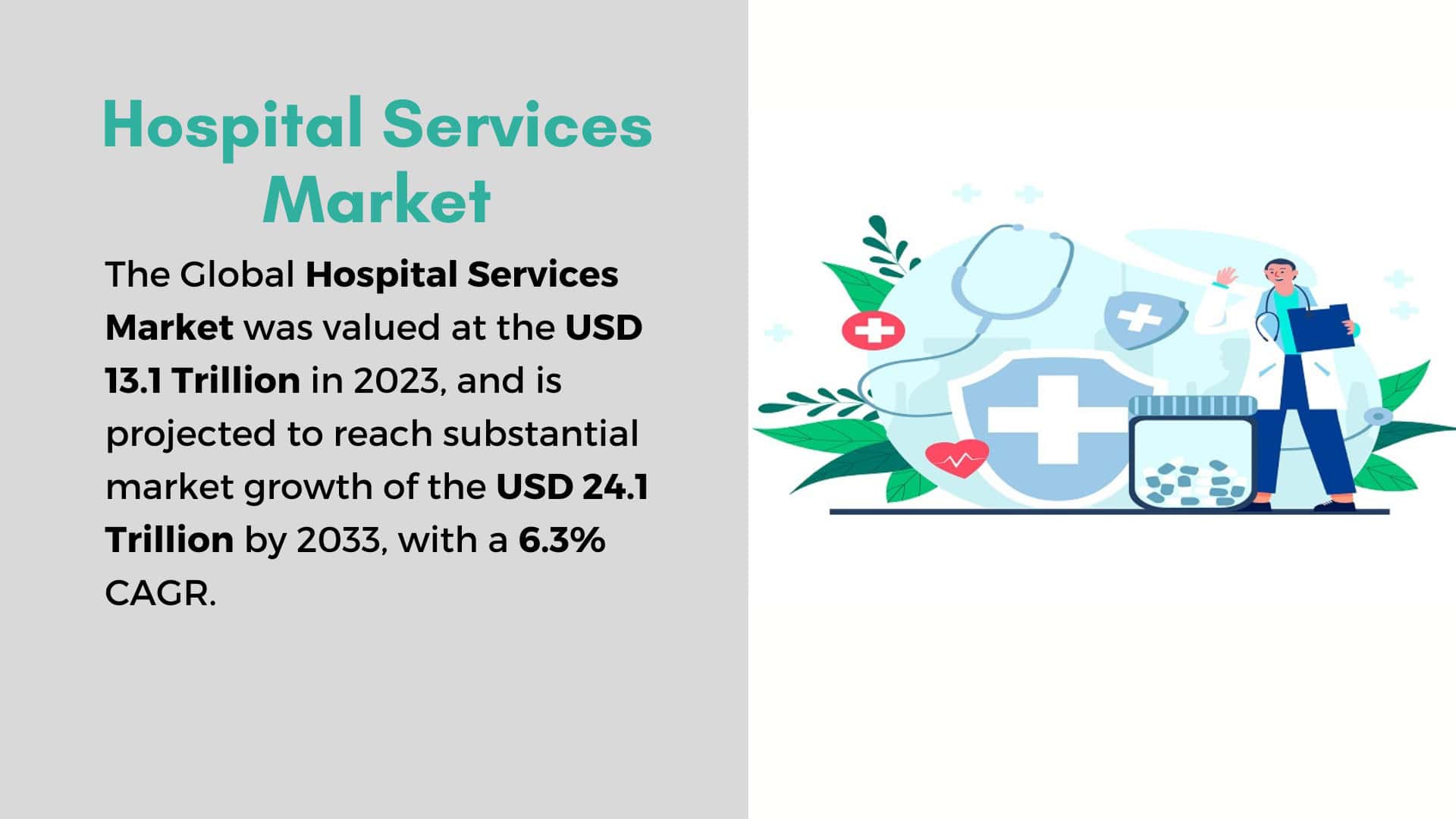
The global hospital services market is undergoing a significant transformation, with projections indicating robust growth over the next decade. As of 2023, the market was valued at USD 13.1 trillion and is expected to soar to an impressive USD 24.1 trillion by 2033, boasting a compound annual growth rate (CAGR) of 6.3%. This optimistic forecast, reported by Market.us Media, is driven by advancements in medical technology, increased healthcare expenditures, and the rising prevalence of chronic diseases.

By |December 7, 2024|Categories: Article, Healthcare, Market Analysis|Tags: , |0 Comments

Unlocking the Potential of Modular Construction in Ontario’s Housing Market

In the bustling realm of Ontario's housing market, modular construction is emerging as a beacon of hope amid a pressing demand for new homes.


By |December 7, 2024|Categories: Article, Construction, Technology|Tags: , |0 Comments