As the digital age continues to evolve, the healthcare sector is experiencing a seismic shift, driven by the rise of telehealth, AI, and wearable technologies. This transformation is not only reshaping patient care but also enhancing accessibility and operational efficiency across the board.

The global digital health market is set to skyrocket, with projections estimating it will reach $551.09 billion by 2027. This growth is fueled by innovations that are setting new benchmarks in healthcare delivery.

Telehealth: A Game Changer in Healthcare


Telehealth has emerged as a pivotal player in the healthcare industry, especially during the COVID-19 pandemic. According to the U.S. Centers for Disease Control and Prevention, there was a 154% increase in telehealth visits during the last week of March 2020 compared to the same period in 2019. This surge highlights telehealth’s scalability and versatility in meeting diverse healthcare needs.

The impact of telehealth is particularly significant in mental health services, where virtual care has provided continuous support to patients, especially those in remote areas. The original article emphasizes the transformative role telehealth is playing across various sectors.

Beyond Healthcare: Cross-Industry Applications


Telehealth’s influence extends beyond traditional healthcare boundaries. In education, telehealth platforms are bridging the gap between medical knowledge and practical application, enhancing the clinical skills of medical students. In the corporate world, telehealth is being integrated into wellness programs, offering employees convenient access to health services, which in turn boosts productivity and reduces costs.

Revolutionizing Healthcare Operations with No-Code and Low-Code Platforms


The integration of No-Code (NC) and Low-Code (LC) platforms is revolutionizing healthcare operations. These platforms allow for the swift development and deployment of digital solutions, making technology more accessible to healthcare providers. This efficiency is crucial in rapidly evolving healthcare scenarios, such as during pandemics.

Studies have shown that NC and LC platforms can reduce application development costs by up to 20%, offering significant financial benefits to healthcare organizations.

Personalized Telehealth: Enhancing Patient Experience


Customizing telehealth services to cater to individual patient needs significantly enhances the healthcare experience. Personalized telehealth interventions have been shown to improve patient satisfaction and engagement, particularly in chronic disease management. This tailored approach not only improves outcomes but also fosters patient loyalty and trust.

The Future of Healthcare: Technological Integration


As we look to the future, AI-driven diagnostics and wearable technology are poised to redefine the healthcare landscape. AI is expected to revolutionize diagnostic accuracy and treatment efficacy, while wearable devices offer real-time patient monitoring, particularly for chronic conditions like diabetes and heart disease.

These technological advancements underscore the importance of equitable access to digital health, as emphasized by the World Health Organization. The healthcare industry is on the brink of a new era, where technology is central to creating a healthier, more connected world.

More Articles

Getting licensed or staying ahead in your career can be a journey—but it doesn’t have to be overwhelming. Grab your favorite coffee or tea, take a moment to relax, and browse through our articles. Whether you’re just starting out or renewing your expertise, we’ve got tips, insights, and advice to keep you moving forward. Here’s to your success—one sip and one step at a time!

Is Florida’s Booming Real Estate Market Becoming Unaffordable?

Florida is facing a real estate crisis marked by skyrocketing insurance premiums, stringent FEMA rules, and a surge in hedge fund property acquisitions.

By |November 14, 2024|Categories: Article, Finance/Economy, Real Estate|Tags: , |0 Comments

Revolutionizing Cancer Therapy: The Promise of Patient-Derived Organoids

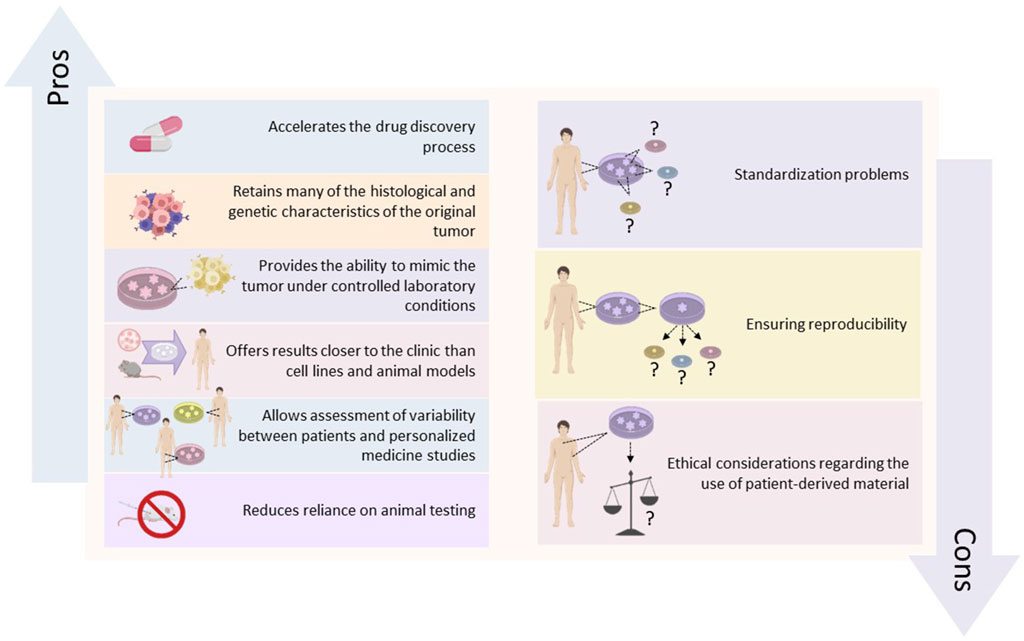
Patient-derived organoids offer an unprecedented opportunity to replicate the complex structure and genetic makeup of cancers, providing a more accurate model for clinical drug screening and pharmacognostic assessment.

The AI Revolution in Dermatology: A Systematic Review

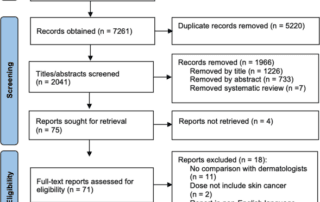
In a groundbreaking study published in Nature, researchers have delved into the burgeoning field of artificial intelligence (AI) in dermatology, specifically examining its role in diagnosing skin cancer. The study, titled "A Systematic Review and Meta-Analysis of Artificial Intelligence Versus Clinicians for Skin Cancer Diagnosis," offers a comprehensive look at how AI stacks up against human clinicians in this critical area of healthcare.

By |November 14, 2024|Categories: AI in Healthcare, Article, Dermatology|Tags: , |0 Comments

The Fast Lane to Fully Autonomous Vehicles: Industry Innovations and Future Prospects

The automotive world is abuzz with announcements from major players like Tesla, Rimac, Renault, and Nissan, each unveiling plans to introduce autonomous vehicles in the near future. Tesla's much-anticipated "CyberCab" is set for an October 2024 debut, while Rimac and Renault are gearing up for releases in 2026.

Futureproofing for Insurers: The Role of AI and Hyper-Personalization

In a rapidly evolving industry, insurance companies are turning to artificial intelligence (AI) and hyper-personalization to stay ahead of the curve.

Revolutionizing Healthcare: The Power and Potential of AI

AI technology offers a multitude of benefits, from enhancing patient outcomes to reducing healthcare costs and improving population health. Its application ranges from preventive screenings to complex diagnostic procedures, marking a new era in medical care.

By |November 13, 2024|Categories: Article, Artificial Intelligence, Healthcare|Tags: , |0 Comments