In a world where technology continues to reshape industries, the real estate sector is experiencing a significant transformation. Traditionally known for its slow adoption of new methods, real estate is now embracing a digital revolution, as highlighted in a recent article from Data Science Central. This shift is driven by advancements in technology and project management, bringing about unprecedented transparency, efficiency, and convenience.
Artificial Intelligence and Machine Learning
The integration of artificial intelligence and machine learning is allowing real estate professionals to analyze vast amounts of data, thereby predicting property prices and market trends with precision. This technological leap enables agents and investors to make informed decisions based on neighborhood analytics, economic indicators, and historical pricing trends.
Big Data Analytics
Big data is revolutionizing decision-making strategies in real estate. By accessing and analyzing extensive data on market demands, property prices, and consumer behavior, companies can identify lucrative opportunities and optimize their operations. For instance, developers can pinpoint ideal locations for new projects by examining factors like income levels and population growth.
Digital Marketing and Online Platforms
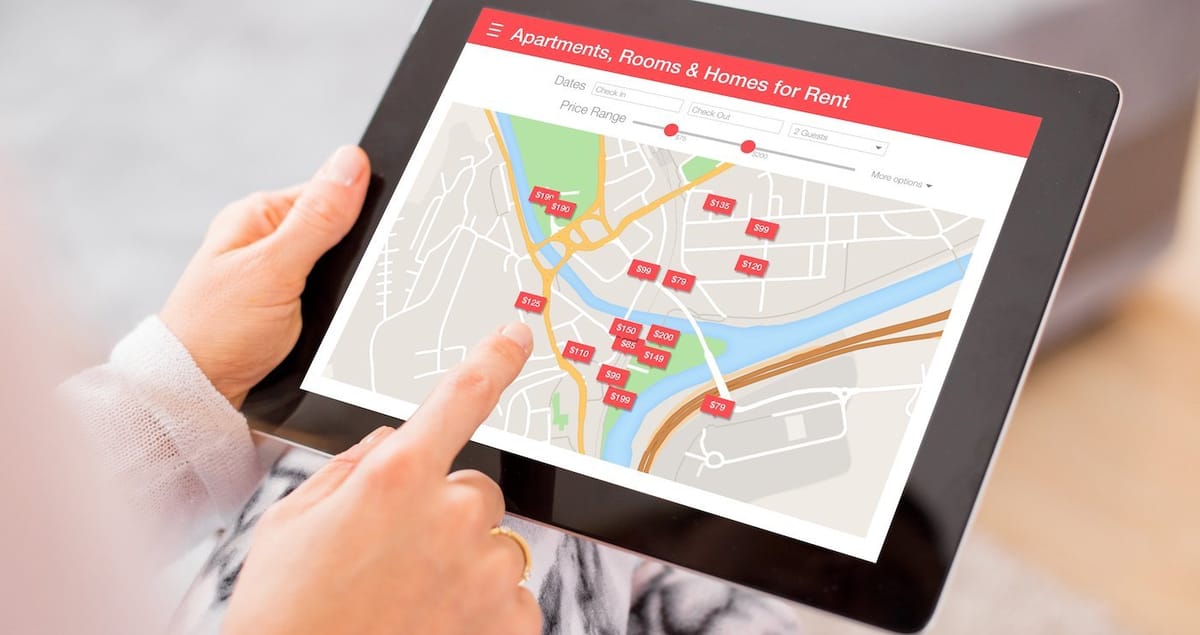
The advent of digital marketing and online platforms has transformed how properties are marketed and sold. Real estate listings are now accessible to a broader audience via websites and social media, offering potential buyers virtual tours and high-quality images. This digital approach enhances the buying experience and streamlines the process of shortlisting properties.
Blockchain and Real Estate Transactions
Blockchain technology, initially popularized by cryptocurrencies, is making waves in real estate transactions. By minimizing intermediaries and automating processes through smart contracts, blockchain ensures secure, efficient, and transparent transactions, reducing the risk of fraud and saving time and money.
Internet of Things (IoT) and Smart Homes
The Internet of Things (IoT) is turning homes into smart, efficient living spaces. Homeowners can remotely control IoT devices such as thermostats and security cameras, enhancing convenience and reducing utility costs. Additionally, IoT systems play a crucial role in property management by predicting maintenance needs and extending the lifespan of building systems.
Automated Property Management
Automation is revolutionizing property management by enabling real estate firms to securely store and access data anywhere. This flexibility is vital for agents who need client information and property details on the go. Automation also streamlines operations like rent collection and maintenance scheduling, enhancing efficiency and profitability.
3D Printing for Construction
While still in its early stages, 3D printing is poised to disrupt the construction industry, including real estate development. It offers the potential to build homes quickly and cost-effectively, addressing housing shortages and affordability issues.
Drones for Property
Drones have become indispensable tools in real estate, capturing aerial images of properties and their surroundings. They provide potential buyers with comprehensive views and facilitate property inspections, especially in hard-to-reach areas.

Project Management in Real Estate
Project management is enhancing real estate projects by integrating structured methodologies and advanced technologies. Improved planning, resource allocation, and risk management practices ensure projects are completed on time and within budget. Moreover, technology-driven project management tools facilitate real-time collaboration and communication among stakeholders.
As technology continues to evolve, the real estate industry stands to benefit from innovative solutions like AI-driven market insights, blockchain-based transactions, and IoT-enabled smart homes. Embracing these advancements will be crucial for staying competitive in an ever-changing market.