In a world where technology continues to reshape industries, the real estate sector is experiencing a significant transformation. Traditionally known for its slow adoption of new methods, real estate is now embracing a digital revolution, as highlighted in a recent article from Data Science Central. This shift is driven by advancements in technology and project management, bringing about unprecedented transparency, efficiency, and convenience.
Artificial Intelligence and Machine Learning
The integration of artificial intelligence and machine learning is allowing real estate professionals to analyze vast amounts of data, thereby predicting property prices and market trends with precision. This technological leap enables agents and investors to make informed decisions based on neighborhood analytics, economic indicators, and historical pricing trends.
Big Data Analytics
Big data is revolutionizing decision-making strategies in real estate. By accessing and analyzing extensive data on market demands, property prices, and consumer behavior, companies can identify lucrative opportunities and optimize their operations. For instance, developers can pinpoint ideal locations for new projects by examining factors like income levels and population growth.
Digital Marketing and Online Platforms
The advent of digital marketing and online platforms has transformed how properties are marketed and sold. Real estate listings are now accessible to a broader audience via websites and social media, offering potential buyers virtual tours and high-quality images. This digital approach enhances the buying experience and streamlines the process of shortlisting properties.
Blockchain and Real Estate Transactions
Blockchain technology, initially popularized by cryptocurrencies, is making waves in real estate transactions. By minimizing intermediaries and automating processes through smart contracts, blockchain ensures secure, efficient, and transparent transactions, reducing the risk of fraud and saving time and money.
Internet of Things (IoT) and Smart Homes
The Internet of Things (IoT) is turning homes into smart, efficient living spaces. Homeowners can remotely control IoT devices such as thermostats and security cameras, enhancing convenience and reducing utility costs. Additionally, IoT systems play a crucial role in property management by predicting maintenance needs and extending the lifespan of building systems.
Automated Property Management
Automation is revolutionizing property management by enabling real estate firms to securely store and access data anywhere. This flexibility is vital for agents who need client information and property details on the go. Automation also streamlines operations like rent collection and maintenance scheduling, enhancing efficiency and profitability.
3D Printing for Construction
While still in its early stages, 3D printing is poised to disrupt the construction industry, including real estate development. It offers the potential to build homes quickly and cost-effectively, addressing housing shortages and affordability issues.
Drones for Property
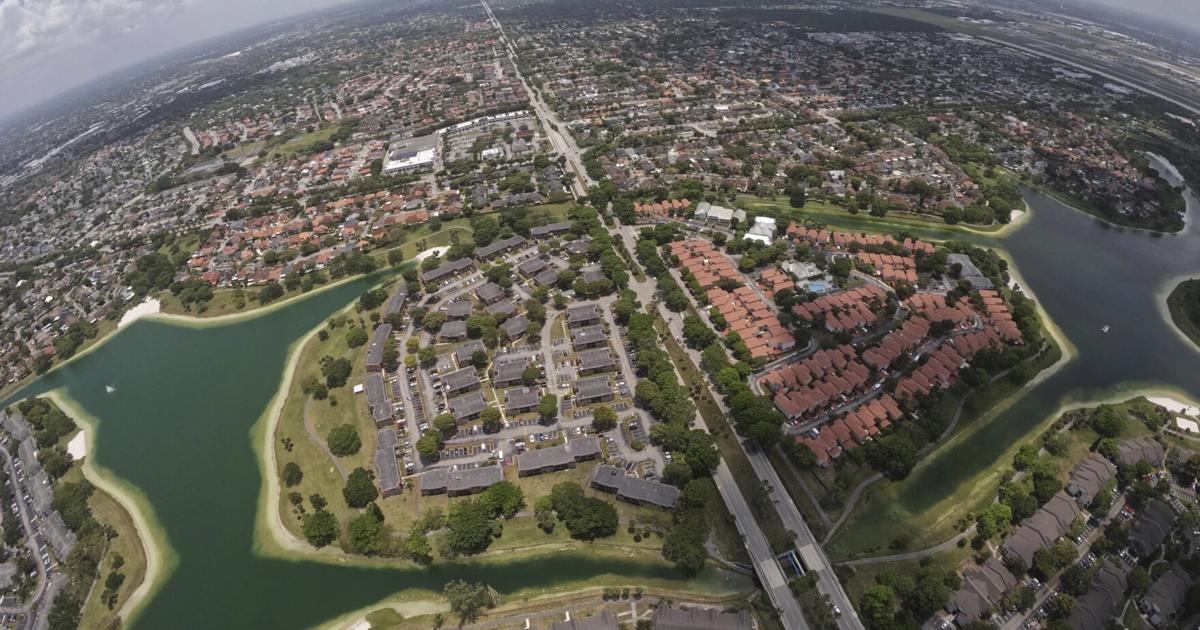
Drones have become indispensable tools in real estate, capturing aerial images of properties and their surroundings. They provide potential buyers with comprehensive views and facilitate property inspections, especially in hard-to-reach areas.
Project Management in Real Estate
Project management is enhancing real estate projects by integrating structured methodologies and advanced technologies. Improved planning, resource allocation, and risk management practices ensure projects are completed on time and within budget. Moreover, technology-driven project management tools facilitate real-time collaboration and communication among stakeholders.
As technology continues to evolve, the real estate industry stands to benefit from innovative solutions like AI-driven market insights, blockchain-based transactions, and IoT-enabled smart homes. Embracing these advancements will be crucial for staying competitive in an ever-changing market.
More Articles
Getting licensed or staying ahead in your career can be a journey—but it doesn’t have to be overwhelming. Grab your favorite coffee or tea, take a moment to relax, and browse through our articles. Whether you’re just starting out or renewing your expertise, we’ve got tips, insights, and advice to keep you moving forward. Here’s to your success—one sip and one step at a time!
Lower interest rates, improving buyer confidence, and a resilient job market are setting the stage for a stronger South Florida real estate landscape in 2026. After a steadier‑than‑expected 2025, single‑family homes remain competitive, condos are stabilizing despite regulatory pressures, and commercial real estate continues to outperform national trends — giving industry professionals plenty to watch in the year ahead.
Economists across the housing industry are signaling that 2026 may finally bring a true market rebalance. With mortgage rates expected to ease, inventory slowly expanding and affordability showing its first real improvement in years, home sales could climb by 14% nationwide. Prices are projected to rise only modestly, builders are ramping up cautiously and shifting demographics are reshaping who’s buying—and what they’re looking for. For real estate and finance professionals, this more active and balanced landscape sets the stage for a strong year of opportunity.
South Florida enters 2026 with renewed confidence as easing mortgage rates, a solid job market, and stabilizing housing trends breathe life back into both single‑family and condo sectors. After an uneven 2025 marked by high costs and condo‑related challenges, lower borrowing rates are drawing buyers back, encouraging more homeowners to list, and positioning the region for a more balanced — though still competitive — year ahead.
The U.S. real estate landscape is entering a defining year, driven by AI innovation, reimagined office spaces, immersive retail, and resilient industrial growth. Investors are becoming more selective, while ESG expectations are solidifying into essential standards for value and tenant demand. For professionals looking to stay competitive in 2026, understanding these shifts—and upskilling accordingly—will be key to navigating an industry rapidly transforming in real time.
Conforming mortgage credit has dropped to its lowest level since the MBA began tracking it in 2011, signaling a major tightening in loan options as 2026 begins. December’s Mortgage Credit Availability Index fell 2.6%, driven by shrinking ARM offerings, fewer cash‑out refi programs, and stricter documentation requirements. With conforming loans seeing the sharpest decline—down 3.8%—both buyers and mortgage professionals face a more challenging lending landscape that demands stronger financial profiles and up‑to‑date industry knowledge.
A new NAR outlook shows that first-time buyers may finally be gaining traction in 2026 as rising inventory, easing rates, and creative financing strategies open long-awaited pathways into homeownership. From ARMs and government-backed loans to family support, grants, and co-buying, younger buyers are finding new ways to “make the math work.” Builders are also stepping in with incentives and expanded townhome construction, signaling a slow but meaningful shift toward improved affordability.