The Digital Transformation of Real Estate: Engaging the Next Generation of Buyers
The
real estate industry is experiencing a seismic shift, driven by the
digital-first expectations of Millennials and Gen Z. These tech-savvy demographics, who have grown up with technology at their fingertips, are redefining how real estate transactions are conducted. Gone are the days when buyers relied solely on agents for property recommendations and insights. Today, young buyers are conducting extensive online research, utilizing digital platforms to explore listings, analyze market trends, and even take virtual tours before contacting an agent. This shift underscores the importance of adopting technology to cater to their needs.
Immersive Virtual Tours and Augmented Reality (AR)
One of the most effective ways to engage these buyers is through
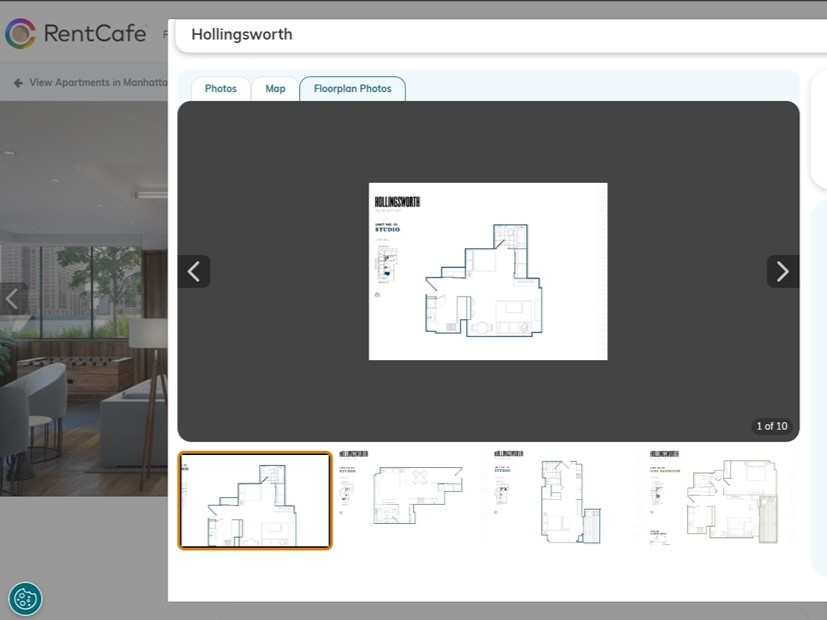
immersive virtual tours and 3D walkthroughs. These tools allow potential buyers to explore properties remotely, offering a personalized and interactive experience. Post-pandemic, the demand for such conveniences has only grown. Real estate professionals can further enhance this experience with
augmented reality (AR), enabling buyers to visualize modifications to a space. These innovations save time, improve decision-making, and create a competitive edge for agents.
Social Media: The New Real Estate Frontier
Social media platforms remain pivotal in connecting with younger buyers.
Instagram,
YouTube, and
TikTok, in particular, provide avenues to showcase listings, share market insights, and create lifestyle-oriented content. Authenticity is key—Millennials and Gen Z value influencers and relatable narratives over traditional advertisements. Collaborating with influencers to promote properties or share market expertise can significantly boost visibility and trust among this demographic.
Data-Driven Decision Making
Millennials and Gen Z are
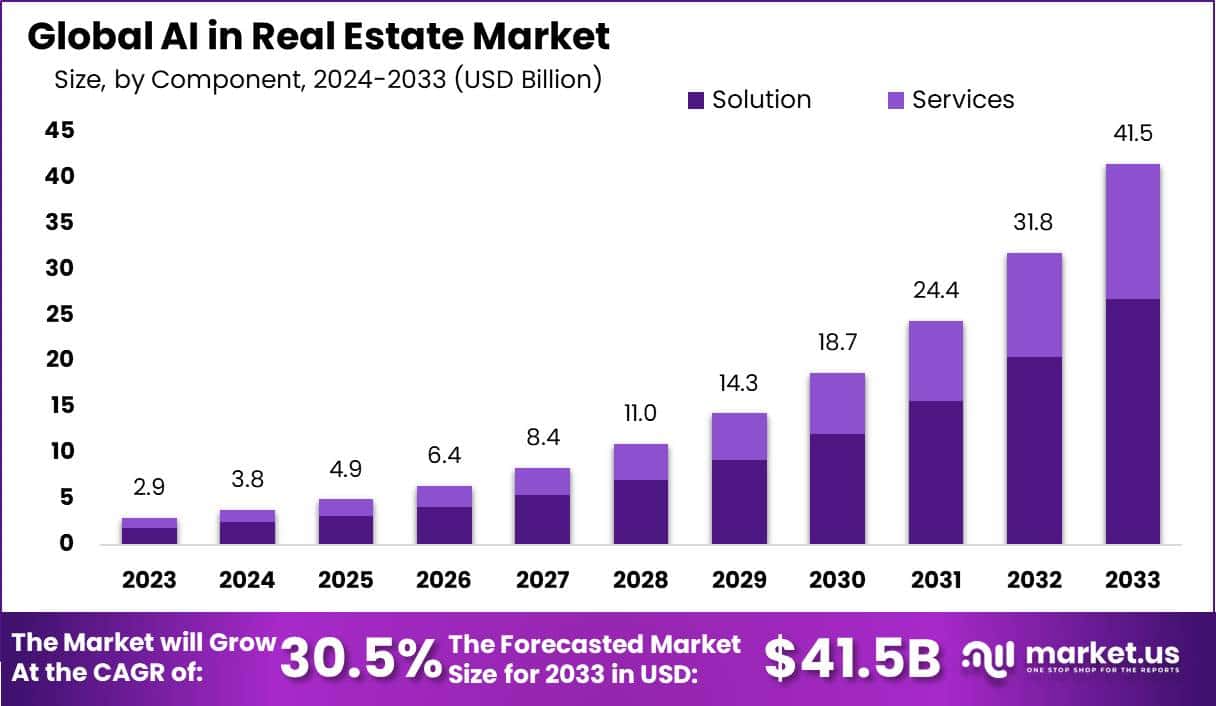
data-driven decision-makers. They extensively compare properties, evaluate pricing trends, and analyze market dynamics. For real estate professionals, utilizing advanced data analytics tools is crucial. These tools can provide insights into market conditions, predict buyer preferences, and personalize property recommendations. Predictive analytics, for instance, helps agents anticipate buyer needs and tailor marketing strategies accordingly. By providing transparent data on property values, investment potential, and neighborhood growth, agents can establish themselves as trusted advisors, fostering confidence among young buyers.
Streamlined Processes for Simplicity and Clarity
Complex and traditional real estate processes can deter young buyers. Millennials and Gen Z prioritize clarity and simplicity in transactions. Tools like
online mortgage calculators, transparent pricing breakdowns, and digital transaction platforms streamline the process, making it more accessible. Offering features such as e-signatures, online document reviews, and virtual communication ensures a hassle-free experience, aligning with the expectations of a digitally native audience.
Sustainability: A Core Value
Sustainability is more than a buzzword for today’s young buyers—it is a core value.
Energy-efficient homes, smart technology, and green certifications significantly influence their purchasing decisions. Features like solar panels, smart thermostats, and energy-efficient appliances not only appeal to their environmental consciousness but also add long-term value to the property. Moreover, homes equipped with smart technologies, such as automated lighting, security systems, and voice-controlled devices, align with their preference for convenience and innovation. Real estate professionals who emphasize these features in their listings are more likely to capture the interest of young buyers.
Personalization: The Cornerstone of Engagement
Personalization is the cornerstone of engaging young buyers. Leveraging customer relationship management (CRM) systems and AI-powered tools allows agents to understand buyer preferences and provide tailored solutions. By analyzing past interactions, agents can offer customized property suggestions that align with individual needs. This approach not only enhances the buying experience but also builds trust and loyalty, positioning the agent as a reliable partner throughout the process.
As we step into 2025, the key to engaging young, tech-savvy real estate buyers lies in embracing technology, delivering personalized service, and maintaining transparency. Virtual tours, data-driven marketing, sustainability, and seamless processes will remain at the forefront of strategies targeting this demographic. By adapting to these trends and leveraging innovative tools, real estate professionals can not only capture the attention of Millennials and Gen Z but also establish enduring relationships that drive long-term success.
(
Source: MediaNews4U)