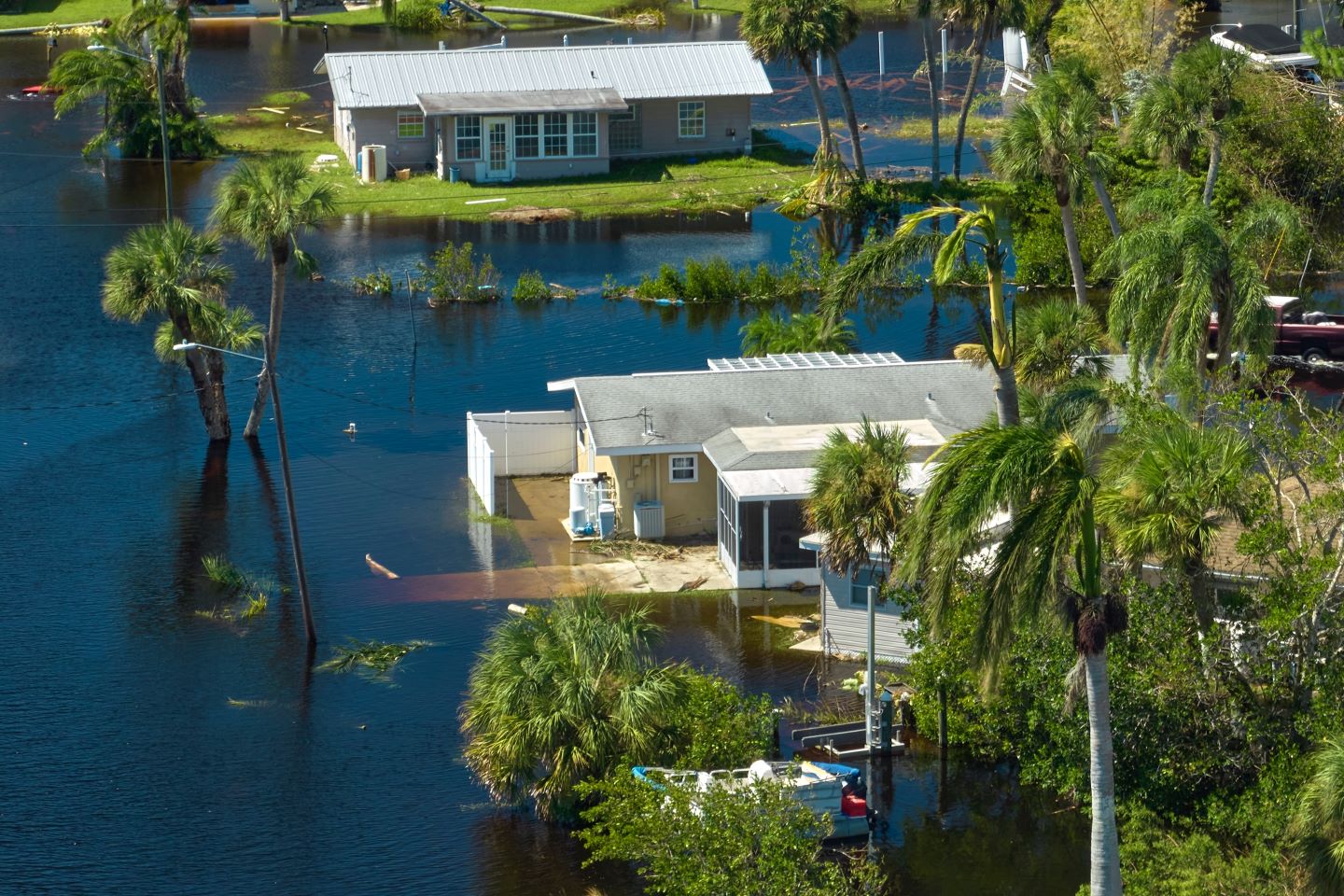
In the face of escalating natural disasters, the economic wisdom of investing in
climate resilience and preparedness is becoming increasingly clear. According to a recent
report by the U.S. Chamber of Commerce, in partnership with Allstate and the U.S. Chamber of Commerce Foundation, each dollar spent on disaster preparedness can yield a remarkable $13 in savings on economic impact, damage, and cleanup costs.
The Economic Case for Preparedness
The report highlights the immense financial toll of
natural disasters, which in 2022 alone exceeded $360 billion globally. By modeling 25 different disaster scenarios, the study demonstrates the potential economic benefits of proactive investments in resilience. For instance, a mere $1 investment in resilience not only reduces damage costs by $6 but also saves an additional $7 in economic costs post-disaster.
Case Studies: Real-World Impacts
-
Miami and Hurricanes: A $10.8 billion investment in preparedness for a Category 4 hurricane in Miami could prevent the loss of approximately 184,000 jobs and save $26 billion in production and $17 billion in income.
-
San Diego and Earthquakes: An $833 million investment can save about 38,000 jobs and preserve $5.8 billion in production and $3.3 billion in income during a major earthquake.
-
Nashville and Tornadoes: For a serious tornado, $83 million in preparedness investments could save more than 5,300 jobs, $683 million in production, and $464 million in income
-
Redding and Droughts: An $83 million investment could save 474 jobs and preserve $67 million in output during a drought/heat wave
-
Santa Fe and Wildfires: Similarly, $83 million could save 388 jobs and $45 million in output during a wildfire
Beyond Immediate Savings
Investments in resilience have broader economic implications, preserving jobs and incomes that might otherwise be lost. The report urges policymakers, businesses, and communities to recognize the economic advantages of preparedness, emphasizing the long-term benefits over short-term costs.
Join the Conversation
September is National Preparedness Month, a time to raise awareness about
climate resiliency. Engage with resources like the
Climate Resiliency Report Social Media Toolkit to help your community prepare for future disasters.
Conclusion
The findings underscore a critical truth:
preparedness pays off. By investing in resilience today, we can safeguard our economic futures against the uncertainties of tomorrow. For more insights, explore the full
report.