(The global COVID-19 pandemic has not only tested the limits of healthcare systems but has also brought to light an equally pressing issue: the mental health and well-being of healthcare workers. As the world continues to grapple with this crisis, it’s become increasingly evident that the mental health challenges faced by these frontline heroes require urgent attention.
The Emerging Mental Health Crisis
The pandemic has ushered in a wave of mental health challenges that affect healthcare workers profoundly. From the onset of COVID-19, these professionals have been at the forefront, facing immense pressure, long hours, and the constant fear of exposure. This has led to heightened levels of stress, burnout, and even post-traumatic stress disorder (PTSD) among many, as highlighted in a recent article from Frontiers.
Stress and Burnout: The Silent Epidemic
Healthcare workers are no strangers to stress, but the pandemic has exacerbated this issue to unprecedented levels. The World Health Organization estimates a significant shortfall in healthcare workers by 2030, which further compounds the stress and burnout experienced by those currently in the field. The emotional toll of making life-and-death decisions, often with limited resources, adds to the moral injury many healthcare workers endure.
Self-Care and Systemic Support
While individual self-care practices are crucial, they are not enough. The article emphasizes the need for systemic changes to provide robust support structures for healthcare workers. Implementing evidence-based interventions and policies that prioritize mental health can create a more sustainable and supportive work environment.
Strategies for Promoting Mental Health
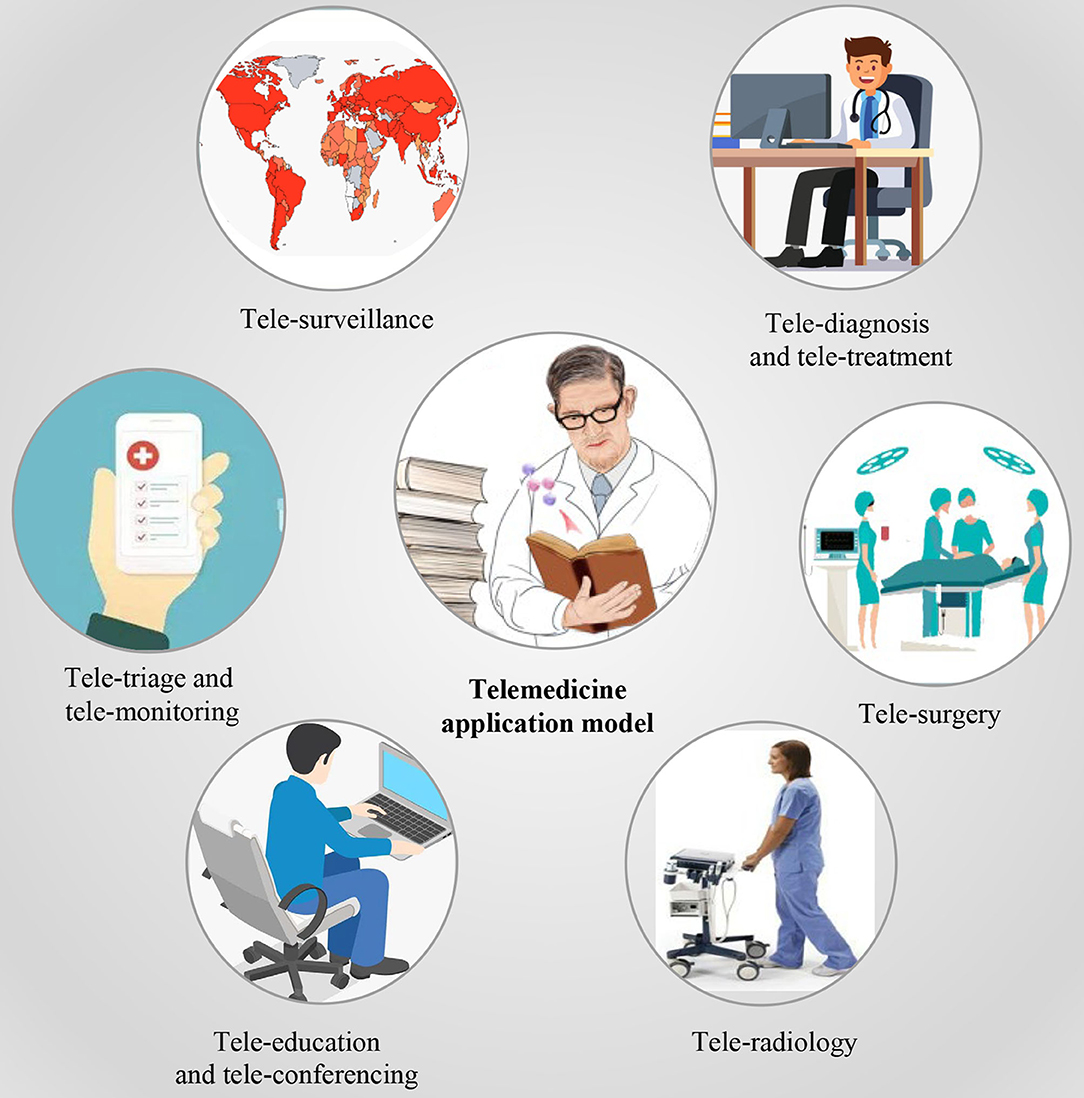
Several strategies can be employed to support healthcare workers’ mental health. These include providing psychological first aid, resilience training, and access to mental health resources. The use of telemedicine and digital platforms can also alleviate some of the pressures by offering remote consultations and support, as demonstrated during the COVID-19 outbreak in China.
Moving Towards Systemic Change
The pandemic has underscored the need for a systemic shift in how we approach healthcare workers’ mental health. This involves not only addressing the immediate mental health needs but also implementing long-term strategies that foster resilience and well-being. As the article suggests, engaging healthcare workers in policy-making processes and promoting a culture of empathy and support are vital steps towards achieving this goal.
Conclusion
In conclusion, the mental health of healthcare workers is a critical public health priority that cannot be overlooked. By implementing systemic changes and providing comprehensive support, we can ensure that these essential workers are equipped to handle current and future health crises. As we move forward, let us remember the invaluable contributions of healthcare workers and strive to create a more supportive and resilient healthcare system.
)
More Articles
Getting licensed or staying ahead in your career can be a journey—but it doesn’t have to be overwhelming. Grab your favorite coffee or tea, take a moment to relax, and browse through our articles. Whether you’re just starting out or renewing your expertise, we’ve got tips, insights, and advice to keep you moving forward. Here’s to your success—one sip and one step at a time!
The promise of artificial intelligence (AI) in the field of oncology is nothing short of revolutionary. As the world grapples with the complexities of cancer, AI is emerging as a potential game-changer in diagnostics, treatment personalization, and drug discovery.
The U.S. Department of Health and Human Services (HHS) has unveiled its ambitious AI Strategic Plan, a comprehensive blueprint aimed at revolutionizing healthcare, human services, and public health through the transformative power of artificial intelligence.
The ceremony was graced by the presence of three distinguished speakers, whose words of wisdom and encouragement left a lasting impression on the attendees.
In the fast-paced world of artificial intelligence (AI), staying current with the latest technological advancements is crucial for professionals aiming to excel in their careers. As businesses increasingly integrate AI into their operations, the demand for skilled AI experts is surging.
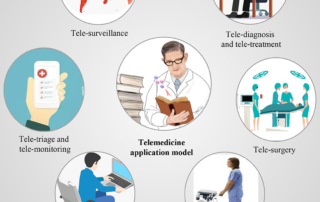
The year 2020 marked a significant turning point in the global healthcare landscape, as the COVID-19 pandemic accelerated the adoption of digital technologies such as telemedicine.
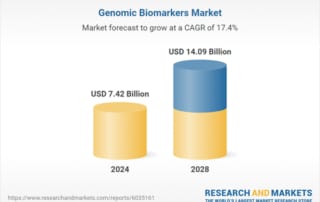
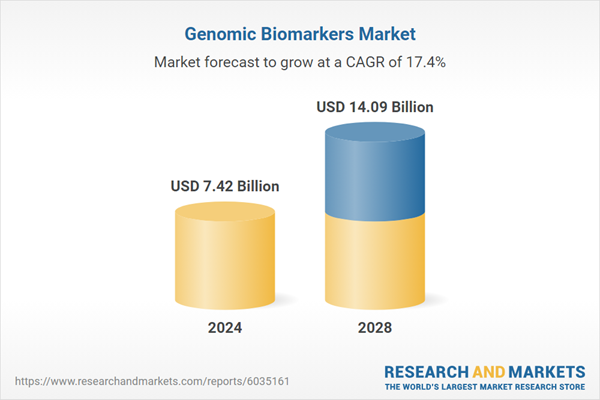
The genomic biomarkers market is witnessing a significant surge, driven by the burgeoning demand for personalized medicine. According to the latest report, the market is projected to grow to $14.09 billion by 2028, marking a compound annual growth rate (CAGR) of 17.4%. This approach not only optimizes treatment effectiveness but also minimizes side effects, making it a cornerstone of modern healthcare.