“`html

In a rapidly evolving digital landscape, the banking sector is bracing for a new wave of fraud, fueled by advancements in generative AI. According to a recent article by Deloitte, the sophistication of AI technology has made it easier than ever to create convincing deepfakes and fraudulent schemes, posing unprecedented challenges for fraud detection and prevention. Read the original article.


Case in Point: In January 2024, a Hong Kong-based employee unwittingly transferred US$25 million to fraudsters after being duped by a deepfake video call. The call, which appeared to involve her CFO and colleagues, was entirely fabricated. This incident, highlighted in a CNN article, underscores the growing threat posed by AI-generated content.


Deloitte’s Center for Financial Services anticipates that losses from AI-enabled fraud could skyrocket to US$40 billion in the United States by 2027, a significant increase from the US$12.3 billion recorded in 2023. This prediction reflects a compound annual growth rate of 32%, as noted in the Carnegie Endowment Report.


Technological Advancements: Generative AI has democratized access to tools capable of creating deepfake videos, fictitious voices, and documents. This accessibility has led to a cottage industry on the dark web, selling scamming software for as little as US$20. The proliferation of such tools is rendering traditional anti-fraud measures less effective.


Financial institutions are particularly vulnerable to generative AI fraud, with deepfake incidents reportedly increasing by 700% in the fintech sector in 2023. While banks have been at the forefront of using innovative technologies to combat fraud, a US Treasury report suggests that existing risk management frameworks may not be adequate to address emerging AI technologies.


Future Strategies: To combat this growing threat, banks must invest in AI and machine learning tools capable of detecting, alerting, and responding to fraud. Some institutions, like JPMorgan, are already utilizing large language models to identify email compromises. Similarly, Mastercard’s Decision Intelligence tool analyzes a trillion data points to predict transaction authenticity.


Banks are encouraged to collaborate with third-party technology providers and engage with regulators to develop new industry standards. By integrating compliance early in technology development, banks can ensure their systems are prepared for regulatory scrutiny.


Ultimately, banks must prioritize investments in training employees to recognize and report AI-assisted fraud. As the risk of fraud escalates, driven by generative AI, banks have an opportunity to build more agile fraud teams to safeguard their operations and customers.


For a more detailed analysis, visit the Deloitte Center for Financial Services.

“`

More Articles

Getting licensed or staying ahead in your career can be a journey—but it doesn’t have to be overwhelming. Grab your favorite coffee or tea, take a moment to relax, and browse through our articles. Whether you’re just starting out or renewing your expertise, we’ve got tips, insights, and advice to keep you moving forward. Here’s to your success—one sip and one step at a time!

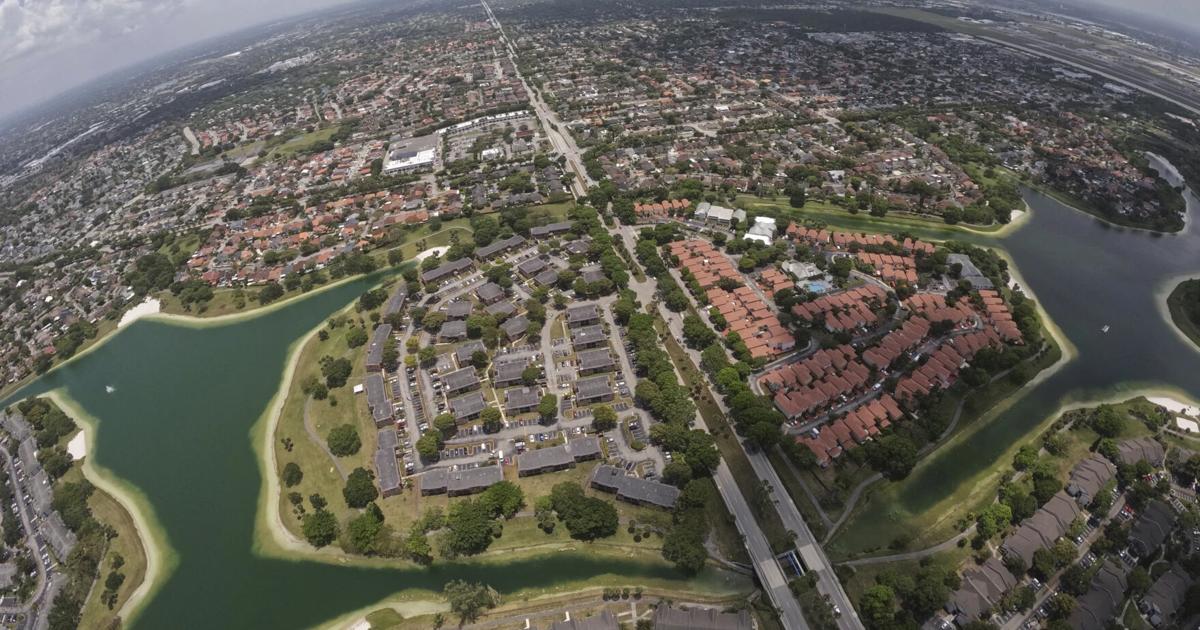
South Florida Housing Market Gains Momentum for 2026 as Mortgage Rates Decline

Lower interest rates, improving buyer confidence, and a resilient job market are setting the stage for a stronger South Florida real estate landscape in 2026. After a steadier‑than‑expected 2025, single‑family homes remain competitive, condos are stabilizing despite regulatory pressures, and commercial real estate continues to outperform national trends — giving industry professionals plenty to watch in the year ahead.

2026 Housing Market Outlook: Are We Finally Heading Toward Stability?

Economists across the housing industry are signaling that 2026 may finally bring a true market rebalance. With mortgage rates expected to ease, inventory slowly expanding and affordability showing its first real improvement in years, home sales could climb by 14% nationwide. Prices are projected to rise only modestly, builders are ramping up cautiously and shifting demographics are reshaping who’s buying—and what they’re looking for. For real estate and finance professionals, this more active and balanced landscape sets the stage for a strong year of opportunity.

Lower Interest Rates Spark New Optimism in South Florida’s 2026 Real Estate Market

South Florida enters 2026 with renewed confidence as easing mortgage rates, a solid job market, and stabilizing housing trends breathe life back into both single‑family and condo sectors. After an uneven 2025 marked by high costs and condo‑related challenges, lower borrowing rates are drawing buyers back, encouraging more homeowners to list, and positioning the region for a more balanced — though still competitive — year ahead.

Six Real Estate Trends Reshaping the U.S. Market in 2026

The U.S. real estate landscape is entering a defining year, driven by AI innovation, reimagined office spaces, immersive retail, and resilient industrial growth. Investors are becoming more selective, while ESG expectations are solidifying into essential standards for value and tenant demand. For professionals looking to stay competitive in 2026, understanding these shifts—and upskilling accordingly—will be key to navigating an industry rapidly transforming in real time.

Conforming Mortgage Credit Availability Plunges to Record Low as Lenders Tighten Standards

Conforming mortgage credit has dropped to its lowest level since the MBA began tracking it in 2011, signaling a major tightening in loan options as 2026 begins. December’s Mortgage Credit Availability Index fell 2.6%, driven by shrinking ARM offerings, fewer cash‑out refi programs, and stricter documentation requirements. With conforming loans seeing the sharpest decline—down 3.8%—both buyers and mortgage professionals face a more challenging lending landscape that demands stronger financial profiles and up‑to‑date industry knowledge.

Creative Strategies Are Finally Helping First-Time Buyers Break Into the 2026 Housing Market

A new NAR outlook shows that first-time buyers may finally be gaining traction in 2026 as rising inventory, easing rates, and creative financing strategies open long-awaited pathways into homeownership. From ARMs and government-backed loans to family support, grants, and co-buying, younger buyers are finding new ways to “make the math work.” Builders are also stepping in with incentives and expanded townhome construction, signaling a slow but meaningful shift toward improved affordability.