The Ethical Dilemmas of AI: A Modern Conundrum

Collection of different people with 'values fairness truth' in a speech bubble As artificial intelligence (AI) technology advances, it presents a myriad of ethical dilemmas and challenges that demand urgent attention. The USC Annenberg School for Communication and Journalism recently explored these pressing issues, highlighting the complexities involved in AI’s deployment.

Bias and Fairness: One of the primary concerns is the potential for AI systems to inherit and amplify biases present in their training data. This can result in unfair or discriminatory outcomes, particularly in critical sectors like law enforcement and hiring. Ensuring fairness in AI algorithms is a critical ethical concern.

Privacy: AI systems often require access to large datasets, raising concerns about privacy violations. The ethical challenge lies in collecting, using, and protecting this data responsibly.

Transparency and Accountability: Many AI algorithms operate as “black boxes,” making them difficult to understand or interpret. Ensuring transparency and accountability in AI decision-making is crucial for building user trust and maintaining ethical standards.

Autonomy and Control: As AI systems become more autonomous, the potential loss of human control becomes a significant concern, especially in applications like autonomous vehicles and military drones.

Job Displacement: AI-driven automation can lead to job displacement and economic inequality. Addressing the societal impact of automation and ensuring a just transition for workers is an ethical imperative.

Security and Misuse: The potential for AI to be used for malicious purposes, such as in cyberattacks or surveillance, poses a significant security challenge.

Environmental Impact: The computational resources required for AI can have a substantial environmental impact. Ethical considerations include minimizing AI’s carbon footprint and promoting sustainable development.

AI in Education and Healthcare: The integration of AI in education and healthcare raises concerns about data privacy, the quality of education, and the preservation of human expertise.

Addressing these ethical issues requires a multidisciplinary approach involving technologists, ethicists, policymakers, and society at large. Developing ethical guidelines, regulations, and best practices is essential to ensure AI technologies benefit humanity while minimizing harm.

In a surprising twist, the article itself, co-authored by ChatGPT, raises further ethical questions about the use of AI-generated content. As Kirk Stewart, CEO of KTStewart and adjunct faculty member at USC Annenberg, emphasizes, it is vital to establish regulatory frameworks that safeguard civic life while embracing technological advancements.

CSS for Styling

More Articles

Getting licensed or staying ahead in your career can be a journey—but it doesn’t have to be overwhelming. Grab your favorite coffee or tea, take a moment to relax, and browse through our articles. Whether you’re just starting out or renewing your expertise, we’ve got tips, insights, and advice to keep you moving forward. Here’s to your success—one sip and one step at a time!

Building an Integrated Approach to Real Estate Sustainability

Nearly 60% of global real estate CFOs lack the necessary data, processes, or internal controls to comply with current environmental regulations.

The Blockchain Revolution: Building the Future of Finance with DeFi

DeFi emerges as a beacon of transformation, promising to revolutionize how we interact with money. DeFi stands at the forefront, offering instant, transparent transactions without the constraints of conventional banking systems. This new paradigm opens doors to innovative investment opportunities and fosters a more inclusive global economy.

By |December 8, 2024|Categories: Article, Finance, Technology|Tags: , |0 Comments

Artificial Intelligence: A New Frontier in Neurological Care

AI's integration into neurology is not just a fleeting trend; it's a significant shift in how healthcare professionals approach complex neurological disorders.

By |December 8, 2024|Categories: Article, Healthcare, Technology|Tags: , |0 Comments

Celebrating Commitment to Physician Well-being

The American Medical Association (AMA) has recognized 62 health care organizations through its Joy in Medicine™ Health System Recognition Program. These organizations, representing over 140,000 physicians, have been acknowledged for their innovative strategies aimed at reducing stress and enhancing mental health among doctors.

Global Hospital Services Market Set for Substantial Growth

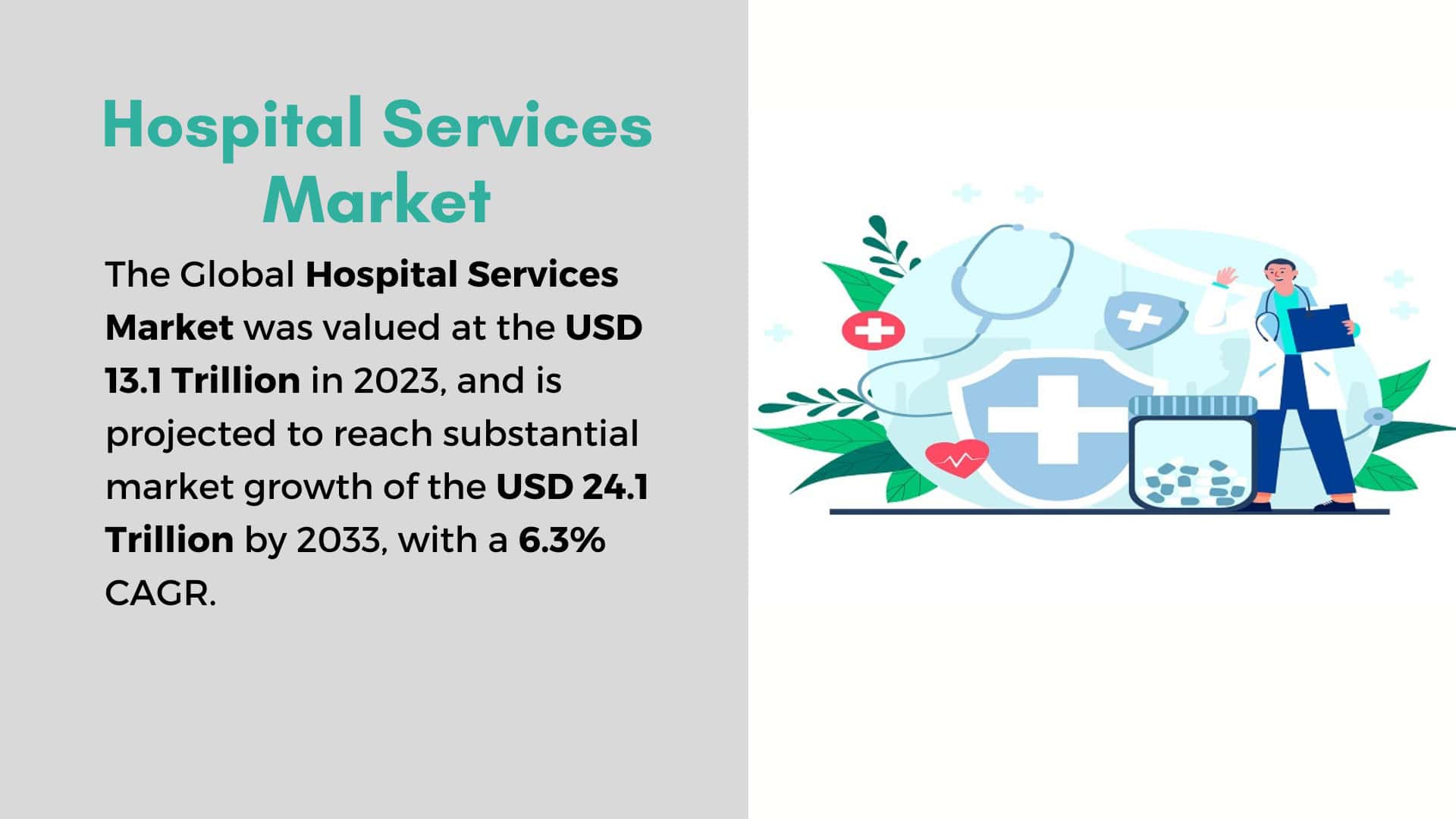
The global hospital services market is undergoing a significant transformation, with projections indicating robust growth over the next decade. As of 2023, the market was valued at USD 13.1 trillion and is expected to soar to an impressive USD 24.1 trillion by 2033, boasting a compound annual growth rate (CAGR) of 6.3%. This optimistic forecast, reported by Market.us Media, is driven by advancements in medical technology, increased healthcare expenditures, and the rising prevalence of chronic diseases.

By |December 7, 2024|Categories: Article, Healthcare, Market Analysis|Tags: , |0 Comments

Unlocking the Potential of Modular Construction in Ontario’s Housing Market

In the bustling realm of Ontario's housing market, modular construction is emerging as a beacon of hope amid a pressing demand for new homes.


By |December 7, 2024|Categories: Article, Construction, Technology|Tags: , |0 Comments