The Ethical Dilemmas of AI: A Modern Conundrum

Collection of different people with 'values fairness truth' in a speech bubble As artificial intelligence (AI) technology advances, it presents a myriad of ethical dilemmas and challenges that demand urgent attention. The USC Annenberg School for Communication and Journalism recently explored these pressing issues, highlighting the complexities involved in AI’s deployment.

Bias and Fairness: One of the primary concerns is the potential for AI systems to inherit and amplify biases present in their training data. This can result in unfair or discriminatory outcomes, particularly in critical sectors like law enforcement and hiring. Ensuring fairness in AI algorithms is a critical ethical concern.

Privacy: AI systems often require access to large datasets, raising concerns about privacy violations. The ethical challenge lies in collecting, using, and protecting this data responsibly.

Transparency and Accountability: Many AI algorithms operate as “black boxes,” making them difficult to understand or interpret. Ensuring transparency and accountability in AI decision-making is crucial for building user trust and maintaining ethical standards.

Autonomy and Control: As AI systems become more autonomous, the potential loss of human control becomes a significant concern, especially in applications like autonomous vehicles and military drones.

Job Displacement: AI-driven automation can lead to job displacement and economic inequality. Addressing the societal impact of automation and ensuring a just transition for workers is an ethical imperative.

Security and Misuse: The potential for AI to be used for malicious purposes, such as in cyberattacks or surveillance, poses a significant security challenge.

Environmental Impact: The computational resources required for AI can have a substantial environmental impact. Ethical considerations include minimizing AI’s carbon footprint and promoting sustainable development.

AI in Education and Healthcare: The integration of AI in education and healthcare raises concerns about data privacy, the quality of education, and the preservation of human expertise.

Addressing these ethical issues requires a multidisciplinary approach involving technologists, ethicists, policymakers, and society at large. Developing ethical guidelines, regulations, and best practices is essential to ensure AI technologies benefit humanity while minimizing harm.

In a surprising twist, the article itself, co-authored by ChatGPT, raises further ethical questions about the use of AI-generated content. As Kirk Stewart, CEO of KTStewart and adjunct faculty member at USC Annenberg, emphasizes, it is vital to establish regulatory frameworks that safeguard civic life while embracing technological advancements.

CSS for Styling

More Articles

Getting licensed or staying ahead in your career can be a journey—but it doesn’t have to be overwhelming. Grab your favorite coffee or tea, take a moment to relax, and browse through our articles. Whether you’re just starting out or renewing your expertise, we’ve got tips, insights, and advice to keep you moving forward. Here’s to your success—one sip and one step at a time!

Proptech Promised a Revolution — So Why Does Real Estate Still Feel the Same?

Despite billions poured into proptech and a decade of flashy digital upgrades, the real estate experience remains largely unchanged. Apps made processes smoother, but not more transparent — because the industry’s core structures, data control and power dynamics stayed the same. True disruption will come from platforms that shift information and control to consumers, not just digitize outdated systems.

CRE Markets Wake Up in 2026: What Real Estate Professionals Need to Know

Early 2026 is delivering a clear message: commercial real estate is entering a recalibration phase. Construction is softening, pending home sales just saw a sharp drop, consumer sentiment is inching upward but remains fragile, and capital markets are tightening as major CRE sectors face rising distress. From data centers powering ahead to CMBS foreclosures climbing and office-to-residential conversions gaining momentum, professionals across real estate, mortgage, insurance, and finance need to stay sharp as the industry shifts.

Top 10 Highest-Paying Real Estate Careers of 2026

Discover the real estate roles earning the biggest paychecks in 2026. From investment consultants to commercial leasing managers, this breakdown highlights the salaries, responsibilities, and career paths offering the strongest financial potential in today’s evolving market—perfect for newcomers and seasoned professionals mapping their next big move.

Montana Launches Bold Licensing Reform Task Force to Boost Workforce Participation

Montana is taking major steps to remove outdated licensing barriers and strengthen its workforce. Governor Greg Gianforte has created a new Licensing Reform Task Force aimed at modernizing regulations, speeding up approvals, and helping more professionals enter high‑demand fields like construction and healthcare. With licensing numbers doubling over the past decade and rural communities facing critical shortages, the state is pushing for faster, more efficient pathways to work. The task force begins meeting in February and will deliver its full reform report by September 2026 — a move that could influence licensing modernization efforts nationwide.

AI Becomes Standard Gear for Real Estate Agents in 2026

Artificial intelligence has officially moved from novelty to necessity in the real estate world. According to new industry data, 97% of brokerage leaders say their agents now rely on AI tools for everything from listing descriptions to full-scale marketing campaigns. As adoption skyrockets, so do concerns over training, accuracy, and compliance — especially among smaller firms. The message is clear: for today’s real estate professionals, AI literacy isn’t optional anymore.

How the Biggest Players Shaped the 2025 Commercial Real Estate Comeback

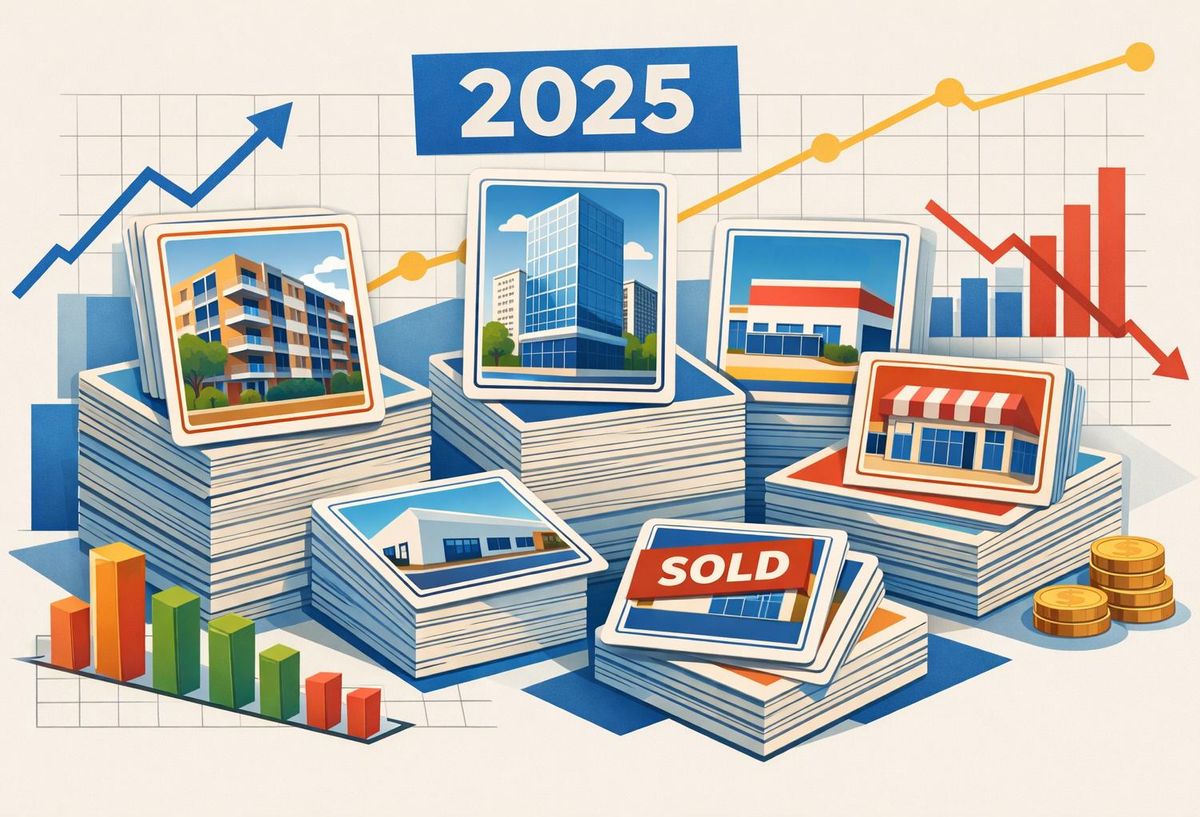
Commercial real estate roared back to life in 2025, with more than $255B pouring into multifamily, industrial, office and retail assets. Major investors moved fast on falling interest rates, improving bond yields and rising confidence across sectors. Multifamily dominated with over $115B in deals, industrial surged under private equity leadership, office saw renewed activity from owner-users and retail proved surprisingly resilient. For today’s real estate and finance professionals, the message is clear: opportunity favors those who stay informed and ready to act.