The Ethical Dilemmas of AI: A Modern Conundrum

Collection of different people with 'values fairness truth' in a speech bubble As artificial intelligence (AI) technology advances, it presents a myriad of ethical dilemmas and challenges that demand urgent attention. The USC Annenberg School for Communication and Journalism recently explored these pressing issues, highlighting the complexities involved in AI’s deployment.

Bias and Fairness: One of the primary concerns is the potential for AI systems to inherit and amplify biases present in their training data. This can result in unfair or discriminatory outcomes, particularly in critical sectors like law enforcement and hiring. Ensuring fairness in AI algorithms is a critical ethical concern.

Privacy: AI systems often require access to large datasets, raising concerns about privacy violations. The ethical challenge lies in collecting, using, and protecting this data responsibly.

Transparency and Accountability: Many AI algorithms operate as “black boxes,” making them difficult to understand or interpret. Ensuring transparency and accountability in AI decision-making is crucial for building user trust and maintaining ethical standards.

Autonomy and Control: As AI systems become more autonomous, the potential loss of human control becomes a significant concern, especially in applications like autonomous vehicles and military drones.

Job Displacement: AI-driven automation can lead to job displacement and economic inequality. Addressing the societal impact of automation and ensuring a just transition for workers is an ethical imperative.

Security and Misuse: The potential for AI to be used for malicious purposes, such as in cyberattacks or surveillance, poses a significant security challenge.

Environmental Impact: The computational resources required for AI can have a substantial environmental impact. Ethical considerations include minimizing AI’s carbon footprint and promoting sustainable development.

AI in Education and Healthcare: The integration of AI in education and healthcare raises concerns about data privacy, the quality of education, and the preservation of human expertise.

Addressing these ethical issues requires a multidisciplinary approach involving technologists, ethicists, policymakers, and society at large. Developing ethical guidelines, regulations, and best practices is essential to ensure AI technologies benefit humanity while minimizing harm.

In a surprising twist, the article itself, co-authored by ChatGPT, raises further ethical questions about the use of AI-generated content. As Kirk Stewart, CEO of KTStewart and adjunct faculty member at USC Annenberg, emphasizes, it is vital to establish regulatory frameworks that safeguard civic life while embracing technological advancements.

CSS for Styling

More Articles

Getting licensed or staying ahead in your career can be a journey—but it doesn’t have to be overwhelming. Grab your favorite coffee or tea, take a moment to relax, and browse through our articles. Whether you’re just starting out or renewing your expertise, we’ve got tips, insights, and advice to keep you moving forward. Here’s to your success—one sip and one step at a time!

Florida Homeowners Finally Get Relief as Gov. DeSantis Announces Significant Insurance Premium Cuts

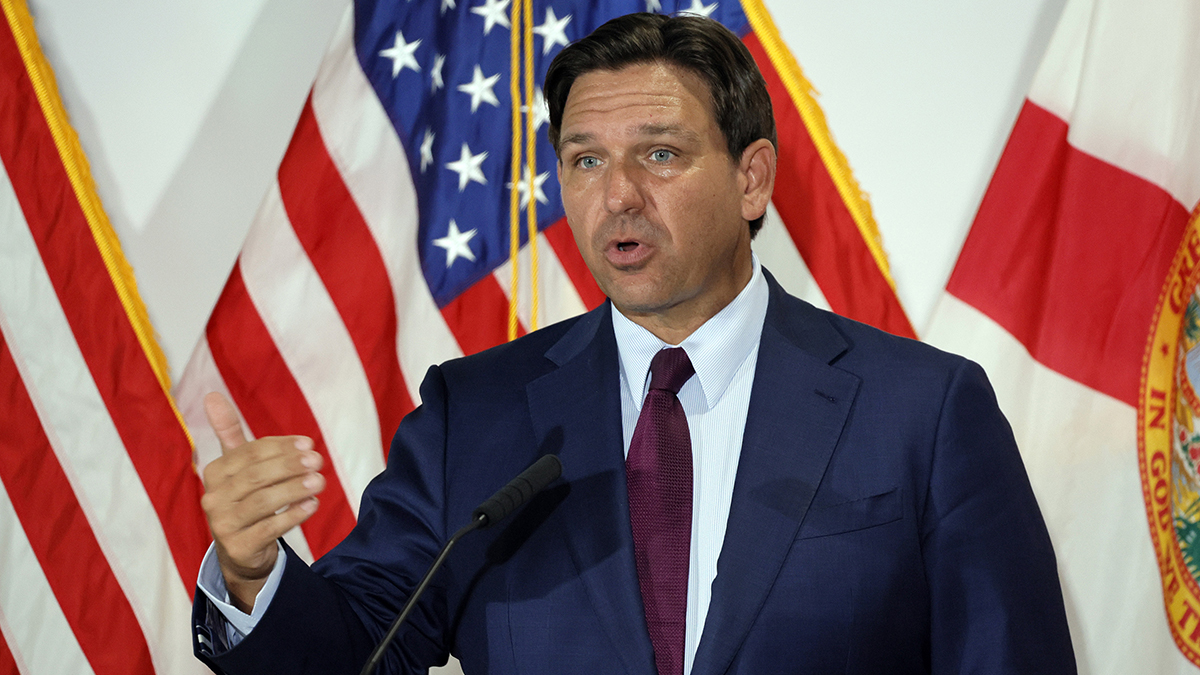
Florida homeowners — especially in hard‑hit South Florida — are set to see rare and substantial reductions in their property insurance premiums. Gov. Ron DeSantis announced an average statewide Citizens Insurance decrease of 8.7%, with even larger savings of up to 14% in counties like Miami-Dade, Broward, and Palm Beach. State officials credit recent legal and regulatory reforms for stabilizing the market, attracting new insurers, and delivering the first meaningful rate relief Floridians have seen in years.

Tampa’s Real Estate Market Enters a Smarter, More Selective Growth Phase

Tampa’s commercial real estate market isn’t slowing—it’s maturing. With strong population growth, rising office demand, a normalized industrial sector, resurgent retail, and an emerging health‑care real estate boom, investors are shifting from speed to strategy. Tighter underwriting, cautious capital and increased due‑diligence are shaping a more disciplined market, creating new opportunities for informed professionals.

Florida Slashes Home Insurance Rates: Biggest Drop in a Decade Sends Shockwaves Through the Market

Florida homeowners are finally seeing relief as Citizens Property Insurance announces a major 8.7% average rate decrease—far larger than originally proposed. Driven by legislative reforms, fewer lawsuits, and a calm hurricane season, the state’s once‑unstable insurance market is showing real signs of recovery. But with reduced coverage limits and shifting legal protections, experts warn that lower premiums may come with hidden trade‑offs.

Florida Homeowners Finally Get Insurance Relief After Years of Soaring Premiums

After a decade of rising premiums and retreating carriers, Florida homeowners are finally seeing long‑awaited relief. Dozens of insurers have filed for rate decreases—some as high as 11%—thanks to legislative reforms and a stabilizing market. Early approvals are already hitting counties across the state, and experts say the momentum could boost buyer confidence, affordability, and competition throughout Florida’s real estate and insurance sectors.

Self‑Storage Investing in 2026: A Market Thaw Opens the Door to Big Opportunities

After years of slowed activity caused by rising interest rates, the self‑storage industry is heating up again. New data from Marcus & Millichap shows a fresh market cycle emerging, driven by renewed buyer confidence, recalibrated pricing, and stronger lender participation. Acquisitions are rebounding, development is resetting in a healthier direction, and financing conditions are improving—creating one of the most promising investment landscapes the sector has seen in years.

Brookline’s Real Flood Risk: What FEMA’s New Maps Reveal—and What They Miss

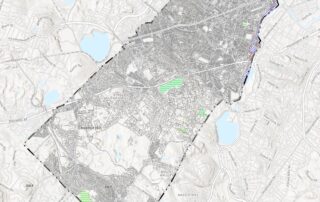
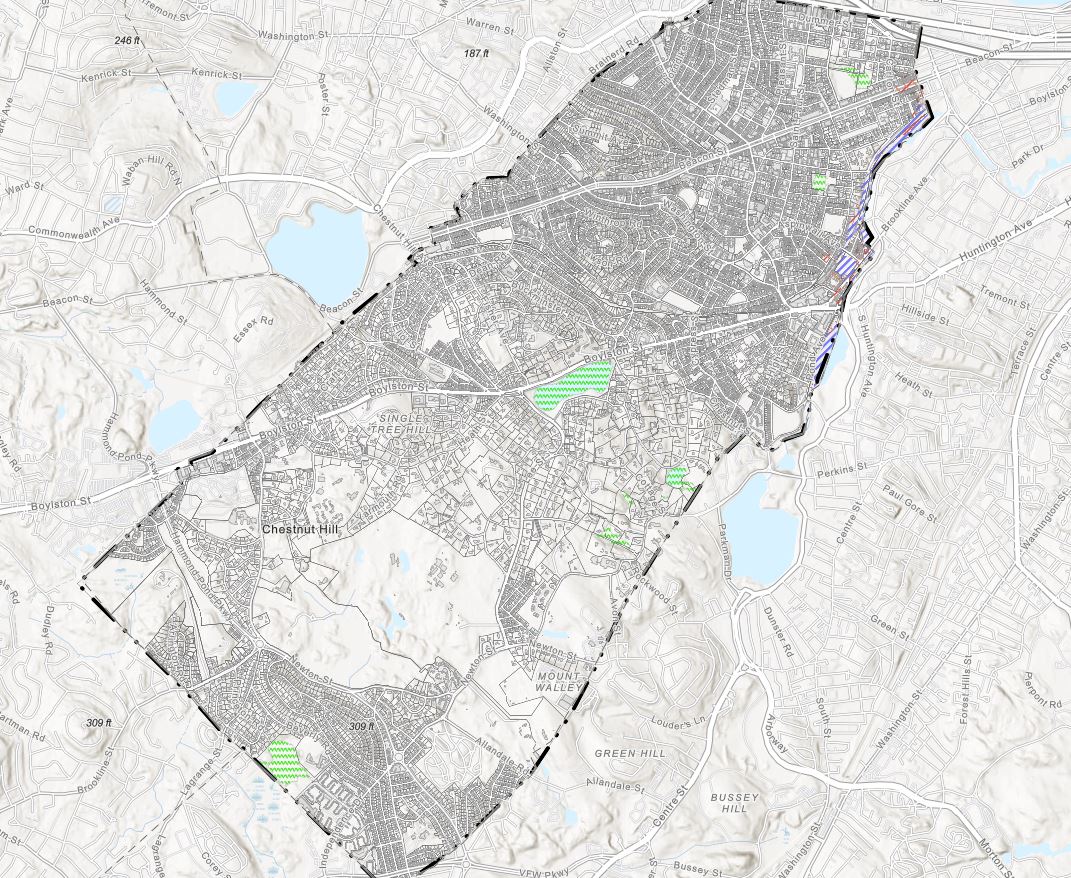
Brookline’s newly updated FEMA flood maps identify 97 high‑risk parcels, but local experts warn the true threat is far greater. While FEMA highlights river‑based flooding around Leverett Pond and the Muddy River, alternative models show more than 1,300 Brookline properties at risk within 30 years. Hidden vulnerabilities along major corridors like Beacon Street, rising rainfall intensity, aging infrastructure, and climate‑driven storm patterns suggest that many “low‑risk” areas may be anything but safe.