The Ethical Dilemmas of AI: A Modern Conundrum
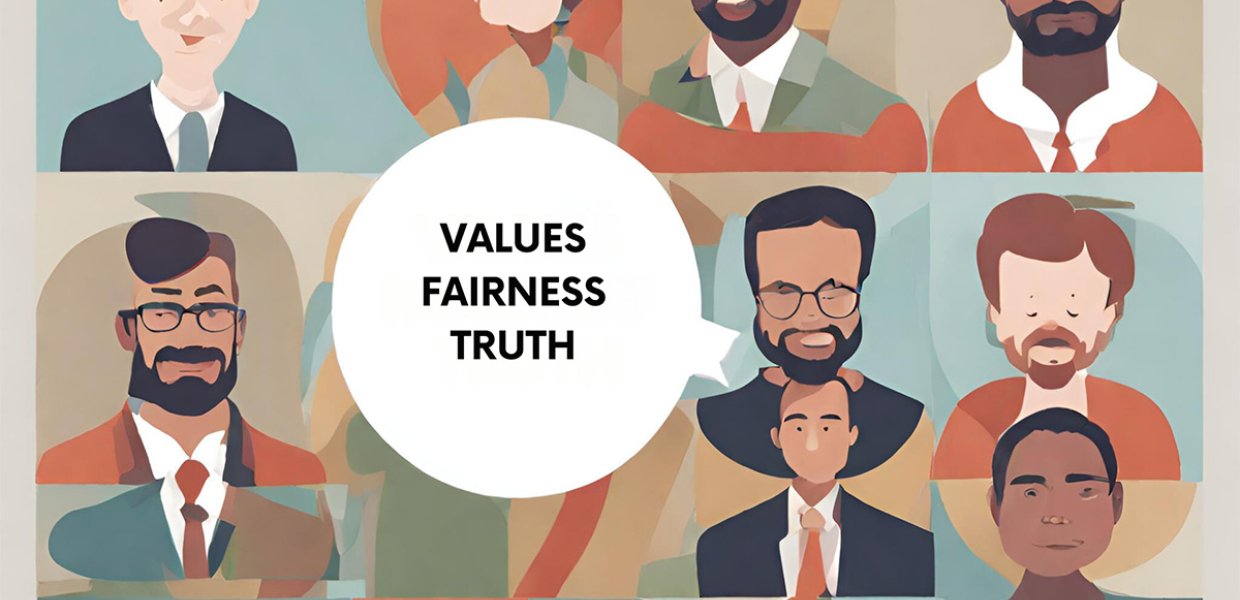
Collection of different people with 'values fairness truth' in a speech bubble As artificial intelligence (AI) technology advances, it presents a myriad of ethical dilemmas and challenges that demand urgent attention. The USC Annenberg School for Communication and Journalism recently explored these pressing issues, highlighting the complexities involved in AI’s deployment.

Bias and Fairness: One of the primary concerns is the potential for AI systems to inherit and amplify biases present in their training data. This can result in unfair or discriminatory outcomes, particularly in critical sectors like law enforcement and hiring. Ensuring fairness in AI algorithms is a critical ethical concern.

Privacy: AI systems often require access to large datasets, raising concerns about privacy violations. The ethical challenge lies in collecting, using, and protecting this data responsibly.

Transparency and Accountability: Many AI algorithms operate as “black boxes,” making them difficult to understand or interpret. Ensuring transparency and accountability in AI decision-making is crucial for building user trust and maintaining ethical standards.

Autonomy and Control: As AI systems become more autonomous, the potential loss of human control becomes a significant concern, especially in applications like autonomous vehicles and military drones.

Job Displacement: AI-driven automation can lead to job displacement and economic inequality. Addressing the societal impact of automation and ensuring a just transition for workers is an ethical imperative.

Security and Misuse: The potential for AI to be used for malicious purposes, such as in cyberattacks or surveillance, poses a significant security challenge.

Environmental Impact: The computational resources required for AI can have a substantial environmental impact. Ethical considerations include minimizing AI’s carbon footprint and promoting sustainable development.

AI in Education and Healthcare: The integration of AI in education and healthcare raises concerns about data privacy, the quality of education, and the preservation of human expertise.

Addressing these ethical issues requires a multidisciplinary approach involving technologists, ethicists, policymakers, and society at large. Developing ethical guidelines, regulations, and best practices is essential to ensure AI technologies benefit humanity while minimizing harm.

In a surprising twist, the article itself, co-authored by ChatGPT, raises further ethical questions about the use of AI-generated content. As Kirk Stewart, CEO of KTStewart and adjunct faculty member at USC Annenberg, emphasizes, it is vital to establish regulatory frameworks that safeguard civic life while embracing technological advancements.

CSS for Styling

More Articles

Getting licensed or staying ahead in your career can be a journey—but it doesn’t have to be overwhelming. Grab your favorite coffee or tea, take a moment to relax, and browse through our articles. Whether you’re just starting out or renewing your expertise, we’ve got tips, insights, and advice to keep you moving forward. Here’s to your success—one sip and one step at a time!

How Your 2025 Salary Stacks Up Against America’s Fastest‑Growing Careers

New data from the U.S. Bureau of Labor Statistics reveals major pay gaps across industries as we head into 2025. While top roles in finance, tech, and healthcare exceed $130,000 to $160,000 a year, other professions lag far behind—even when education levels are similar. Job titles, location, experience, and specialized skills are now some of the biggest factors shaping how much you earn. If you’ve been wondering whether your paycheck is keeping up with the market, this breakdown shows exactly where you stand and what it takes to boost your earning power.

Homebuyer Remorse Drops as 2025 Market Gives Buyers More Time and Leverage

A cooling housing market is giving buyers something they haven’t had in years: room to breathe. With slower sales, more inventory, and less pressure to make snap decisions, homebuyer regret has noticeably declined in 2025. Buyers are feeling more confident thanks to fewer bidding wars, reduced overpaying, and stronger financial preparation—though maintenance surprises still pose challenges. This shift toward a true buyer’s market offers real estate professionals a prime opportunity to guide clients with clarity and confidence.

Weekly CRE Pulse: Shutdown Shockwaves, STEM City Surges, and Signs of Market Momentum

This week’s commercial real estate roundup unpacks the lingering economic fallout from the 43‑day federal shutdown, new pressures on major office markets, and the rise of STEM‑driven cities reshaping demand nationwide. With fresh Q3 data from Altus showing stronger‑than‑expected transaction momentum, plus updates on Chicago’s valuation slide and national mortgage policy debates, this edition delivers the essential trends CRE, mortgage, finance, and appraisal professionals need to stay ahead.

ATTOM Wins Inman’s 2025 Best of Proptech Award for Data and Intelligence Innovation

ATTOM has been named Inman’s 2025 Best of Proptech winner, earning top recognition for its leadership in data and intelligence platforms. With advancements like Snowflake integration, ATTOM Nexus, and enhanced parcel‑centric analytics, the company is shaping the future of AI‑driven real estate decision‑making. This win highlights ATTOM’s growing role as a trusted data backbone for real estate, mortgage, insurance, and investment professionals nationwide.

Florida’s Insurance Crisis: Why Premiums Keep Rising and What It Means for Homeowners

A new report reveals that Florida’s property insurance market is far from recovering. Despite political claims of stabilization, homeowners are seeing premiums up 54% since 2019, widespread insurer instability, and some companies re‑entering the market under rebranded identities. With high rates of unpaid claims, delayed payouts, and policy non‑renewals, lawmakers are now pushing for transparency and oversight. For homeowners and industry professionals alike, understanding these risks is critical as Florida’s insurance challenges continue to deepen.

Florida’s Insurance “Recovery” Isn’t Reaching Homeowners

Despite new insurers entering the state and lawmakers touting market improvements, a new report reveals Florida’s property insurance system is still plagued by high premiums, weak oversight, and companies with troubled histories. Rates have climbed 54% since 2019, nearly one‑fifth of homeowners are now uninsured, and Florida leads the nation in unpaid and delayed claims. Critics warn that the state’s strategy of shifting risk to undercapitalized private companies may set the stage for another crisis — leaving homeowners, buyers, and real estate professionals navigating a market that’s far from stable.