The Ethical Maze of AI in Radiography: A Saudi Arabian Perspective
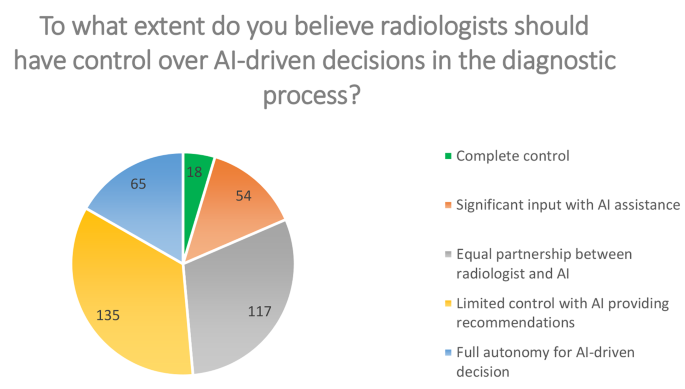
In an era where artificial intelligence (AI) is reshaping the landscape of healthcare, a recent study published in BMC Medical Ethics sheds light on the intricate ethical challenges radiographers face as they navigate AI integration in radiography. Conducted in Saudi Arabia, this cross-sectional study delves into the perspectives of radiographers, revealing a tapestry of enthusiasm and apprehension towards AI’s role in their field.
The research, available on the BMC Medical Ethics website, highlights the transformative opportunities AI presents for diagnostic imaging, alongside the ethical considerations that accompany its adoption. Through a structured questionnaire, radiographers shared their insights on AI’s ethical implications, emphasizing the need for transparency, patient privacy, and the establishment of ethical guidelines.
Unfamiliar Terrain
The study reveals a significant portion of radiographers are unfamiliar with AI’s integration into their practice, with many expressing uncertainty about the importance of AI transparency. However, a notable number advocate for AI systems that provide justifications for their decision-making processes, highlighting a desire for clarity in AI operations.
Ethical Dilemmas and Patient Privacy
Radiographers voiced concerns about ethical dilemmas that AI might introduce, with nearly half agreeing that AI could exacerbate these challenges. Patient privacy emerged as a critical issue, with a substantial portion of participants expressing apprehension about AI’s impact on confidentiality. These findings underscore the necessity for specific ethical guidelines to govern AI use in radiography.
Guiding the Future
The study calls for the development of robust ethical frameworks, educational improvements, and policy enhancements to ensure AI technologies are implemented safely and ethically. These measures aim to maximize diagnostic benefits while minimizing ethical risks, providing a roadmap for policymakers and practitioners to navigate the evolving AI landscape in healthcare.
For further insights into the study and its implications, visit the BMC Medical Ethics Journal.
CSS Styling
More Articles
Getting licensed or staying ahead in your career can be a journey—but it doesn’t have to be overwhelming. Grab your favorite coffee or tea, take a moment to relax, and browse through our articles. Whether you’re just starting out or renewing your expertise, we’ve got tips, insights, and advice to keep you moving forward. Here’s to your success—one sip and one step at a time!
The financial landscape in South Korea is poised for a seismic shift as KBank, a major digital bank, grapples with a legislative curveball. The bank, which is heavily reliant on deposits from Upbit, Korea’s dominant cryptocurrency exchange, is facing a potential profit squeeze. The new Virtual Asset User Protection Act, set to take effect on July 19, 2024, mandates that banks must pay interest on crypto exchange deposits, a move that could severely impact KBank's bottom line.
AI's ability to analyze vast amounts of data is paving the way for a profound change in medical diagnostics. Khosla predicted that AI could take over up to 80% of standard medical tasks, reducing errors and biases in human diagnosis. This is particularly evident in fields like radiology and pathology, where AI's proficiency in analyzing medical imaging allows for the early detection of diseases such as cancer, significantly improving treatment outcomes.
The COVID-19 pandemic has dramatically reshaped the housing market landscape, resulting in an unprecedented surge in home prices throughout the United States.
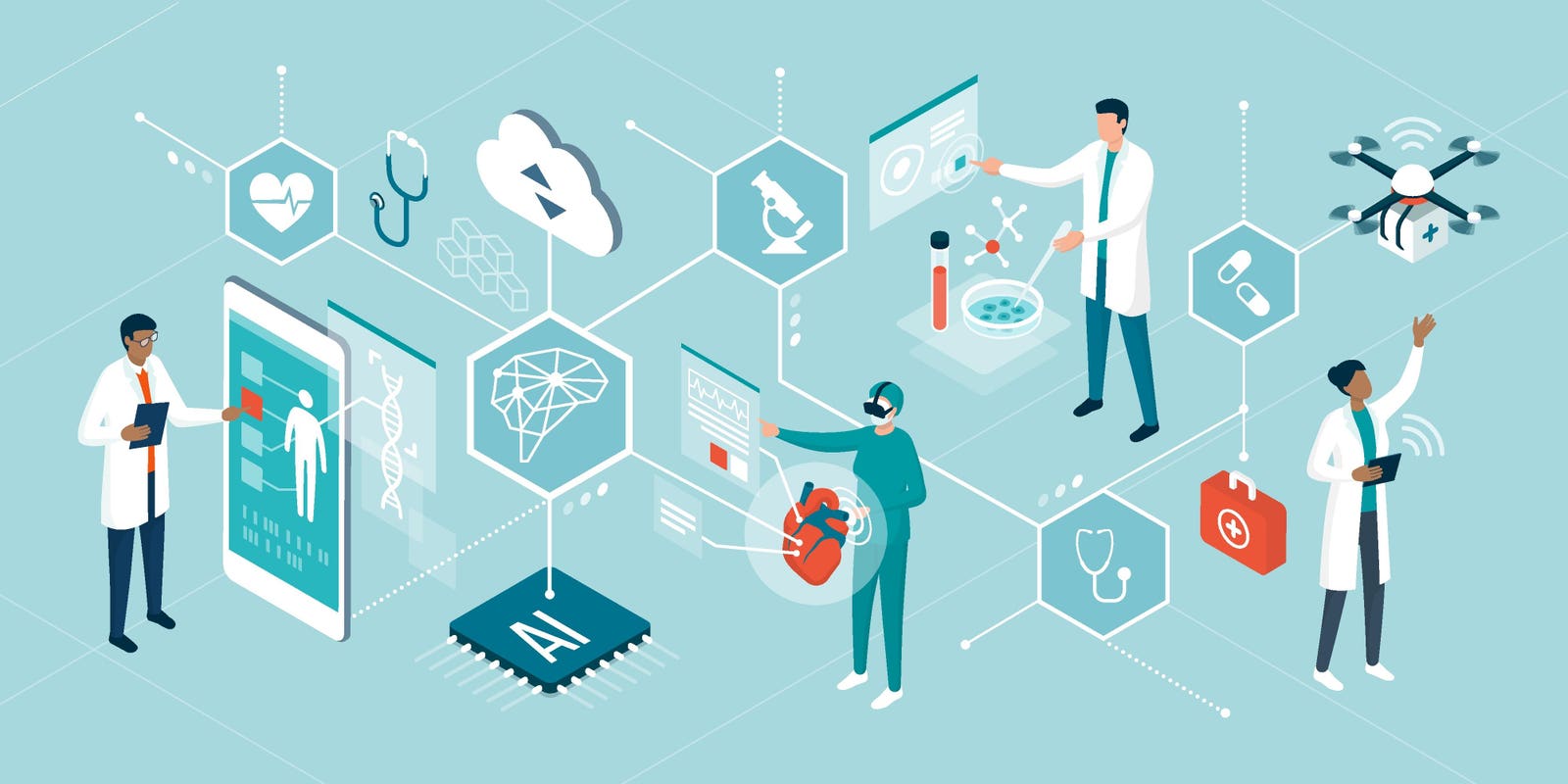
In a world where technology is rapidly evolving, artificial intelligence (AI) is proving to be a game-changer in the healthcare sector. AI-powered tools are improving patient outcomes, enhancing operational efficiency, and reducing costs, reshaping the very fabric of healthcare delivery.
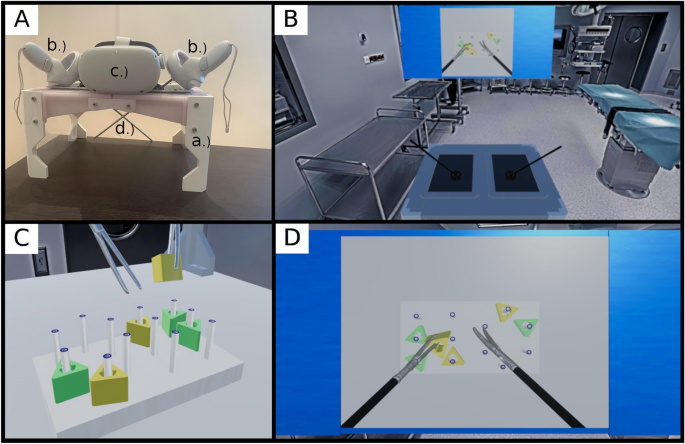
In a groundbreaking study published by Nature, researchers have unveiled a novel approach to surgical training using a low-fidelity virtual reality (VR) simulator enhanced with artificial intelligence (AI) for objective assessment. This pioneering method is poised to transform how medical students acquire laparoscopic skills, offering a cost-effective and efficient alternative to traditional training models.
AI in healthcare is projected to grow into a $188 billion industry worldwide by 2030, promising to revolutionize the field. From drug development to improved diagnostics, AI is already making significant strides, transforming medical practices and enhancing patient care efficiency.