
The Ethical Maze of AI in Radiography: A Saudi Arabian Perspective

In an era where artificial intelligence (AI) is reshaping the landscape of healthcare, a recent study published in BMC Medical Ethics sheds light on the intricate ethical challenges radiographers face as they navigate AI integration in radiography. Conducted in Saudi Arabia, this cross-sectional study delves into the perspectives of radiographers, revealing a tapestry of enthusiasm and apprehension towards AI’s role in their field.
The research, available on the BMC Medical Ethics website, highlights the transformative opportunities AI presents for diagnostic imaging, alongside the ethical considerations that accompany its adoption. Through a structured questionnaire, radiographers shared their insights on AI’s ethical implications, emphasizing the need for transparency, patient privacy, and the establishment of ethical guidelines.
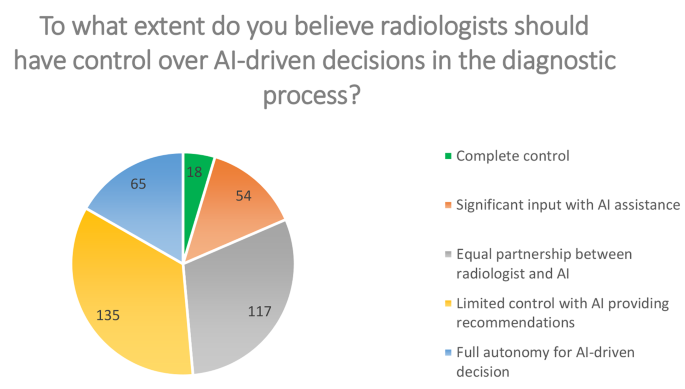
Radiographers' role in ai-driven decisions

Unfamiliar Terrain

The study reveals a significant portion of radiographers are unfamiliar with AI’s integration into their practice, with many expressing uncertainty about the importance of AI transparency. However, a notable number advocate for AI systems that provide justifications for their decision-making processes, highlighting a desire for clarity in AI operations.

Ethical Dilemmas and Patient Privacy

Radiographers voiced concerns about ethical dilemmas that AI might introduce, with nearly half agreeing that AI could exacerbate these challenges. Patient privacy emerged as a critical issue, with a substantial portion of participants expressing apprehension about AI’s impact on confidentiality. These findings underscore the necessity for specific ethical guidelines to govern AI use in radiography.

Guiding the Future

The study calls for the development of robust ethical frameworks, educational improvements, and policy enhancements to ensure AI technologies are implemented safely and ethically. These measures aim to maximize diagnostic benefits while minimizing ethical risks, providing a roadmap for policymakers and practitioners to navigate the evolving AI landscape in healthcare.
For further insights into the study and its implications, visit the BMC Medical Ethics Journal.

CSS Styling

More Articles

Getting licensed or staying ahead in your career can be a journey—but it doesn’t have to be overwhelming. Grab your favorite coffee or tea, take a moment to relax, and browse through our articles. Whether you’re just starting out or renewing your expertise, we’ve got tips, insights, and advice to keep you moving forward. Here’s to your success—one sip and one step at a time!

Artificial Intelligence in Diagnostics: A Revolution in Healthcare

The global market for artificial intelligence in diagnostics is poised for remarkable growth, with projections estimating it to reach USD 7.3 billion by 2032.

By |December 10, 2024|Categories: Article, Artificial Intelligence, Healthcare|Tags: , |0 Comments

Revolutionizing Medical Education with Extended Reality

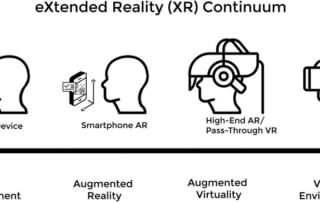
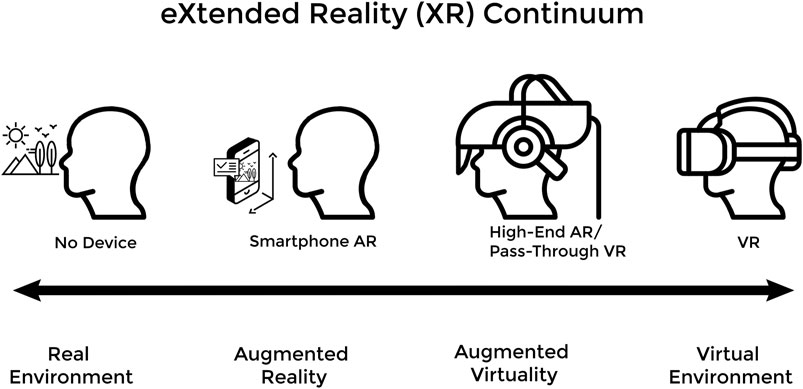
In the ever-evolving landscape of medical education, a new player has emerged, promising to revolutionize the way future doctors are trained. The integration of eXtended Reality (XR) technologies is reshaping the educational landscape by addressing the limitations of traditional methods.

Genetic Testing: A New Dawn in Healthcare

Genetic testing represents more than just a scientific advancement; it signifies a fundamental shift in how we approach health and wellness.

Sustainable Architecture: Blending Innovation with Ecological Responsibility

The journey toward sustainable architecture is ongoing, with each project serving as a beacon of what's achievable when creativity meets ecological awareness.

By |December 9, 2024|Categories: Architecture, Article, Sustainability|Tags: |0 Comments

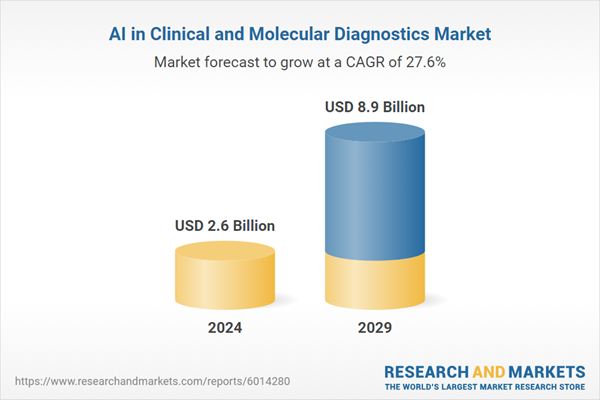
AI in Clinical and Molecular Diagnostics: A Market on the Rise

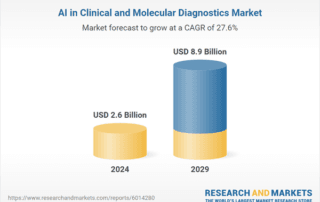
AI in Clinical and Molecular Diagnostics Market is set to experience remarkable growth, projected to surge from USD 2.6 billion in 2024 to USD 8.9 billion by 2029. This growth is driven by the integration of advanced AI technologies such as machine learning and deep learning into traditional diagnostic methodologies like imaging, genomics, and laboratory testing.

AI: A Revolution in Healthcare’s Future

AI is not a distant dream but a present reality, already integrated into everyday life through virtual assistants like Alexa and Siri. AI shows promise in enhancing medical accuracy, such as in predicting mesothelioma survival and improving colonoscopy accuracy, it is not intended to replace healthcare professionals.