Are Virtual Tours Still Worth It in Real Estate? Evidence from 75,000 Home Sales

In an era where technology continues to reshape the landscape of real estate, the role of virtual tours remains a topic of debate. According to a recent study published by HBS Working Knowledge, virtual tours, which surged in popularity during the COVID-19 pandemic, might not significantly enhance home sale prices or reduce the time properties spend on the market.

The comprehensive research, conducted by Isamar Troncoso of Harvard Business School and Mengxia Zhang of Western University, analyzed over 75,000 home sales in the greater Los Angeles area. Their findings suggest that while virtual tours offer certain advantages, their impact on sales outcomes is less pronounced than previously thought.

Troncoso’s study, accessible here, reveals that the quality of photos and listing descriptions often overshadow the benefits of virtual tours. “Maybe it doesn’t help you to get a 5 percent sales price rise by using visual tools—but it might help sellers in many other ways,” Troncoso notes. In the post-pandemic world, the initial boost virtual tours provided seems to have waned, with traditional factors like location and presentation regaining their prominence.

The study utilized cutting-edge machine learning techniques to sift through data from the real estate platform Redfin, examining various aspects such as sale prices, market duration, and initial pricing strategies. Interestingly, only about 22 percent of the listings included virtual tours, and these often came with higher-quality photos and longer descriptions.

One intriguing insight from the research is the nuanced role of virtual tours in different neighborhoods. In areas served by smaller real estate firms or those less sought after, virtual tours might still offer a marginal benefit. Troncoso explains, “These are areas in which these technologies penetrated less. So that’s why you see a little bit more of a marginal effect when those sellers have virtual tours.”

For buyers, virtual tours can streamline the house-hunting process by helping them eliminate properties that don’t meet their criteria, making their search more efficient. “Maybe it doesn’t really get you to say, ‘Oh, now I really like that house,’ but it’s going to help you to be like, ‘Oh, I don’t like this one, so I won’t bother to go and see it,’” Troncoso adds.

As virtual tour technologies continue to evolve and become more affordable, their application might expand beyond home sales to areas like long- and short-term rentals. However, for now, the key takeaway for sellers is to prioritize high-quality photos and descriptions unless specific conditions suggest otherwise.

In conclusion, the study underscores the importance of context in leveraging virtual tours effectively in real estate. For further insights and related topics, readers can explore articles such as When Glasses Land the Gig: Employers Still Choose Workers Who ‘Look the Part’ and Shrinking the Racial Wealth Gap, One Mortgage at a Time.

For more information and to view the original research, visit the HBS Working Knowledge website.

More Articles

Getting licensed or staying ahead in your career can be a journey—but it doesn’t have to be overwhelming. Grab your favorite coffee or tea, take a moment to relax, and browse through our articles. Whether you’re just starting out or renewing your expertise, we’ve got tips, insights, and advice to keep you moving forward. Here’s to your success—one sip and one step at a time!

KBank’s Crypto Dilemma: Navigating Legislative Changes Amid IPO Plans

The financial landscape in South Korea is poised for a seismic shift as KBank, a major digital bank, grapples with a legislative curveball. The bank, which is heavily reliant on deposits from Upbit, Korea’s dominant cryptocurrency exchange, is facing a potential profit squeeze. The new Virtual Asset User Protection Act, set to take effect on July 19, 2024, mandates that banks must pay interest on crypto exchange deposits, a move that could severely impact KBank's bottom line.

By |December 29, 2024|Categories: Article, Cryptocurrency, Finance|Tags: |0 Comments

The Transformation of Healthcare: AI’s Role in Diagnostics and Personalized Medicine

AI's ability to analyze vast amounts of data is paving the way for a profound change in medical diagnostics. Khosla predicted that AI could take over up to 80% of standard medical tasks, reducing errors and biases in human diagnosis. This is particularly evident in fields like radiology and pathology, where AI's proficiency in analyzing medical imaging allows for the early detection of diseases such as cancer, significantly improving treatment outcomes.

The Geography of Pandemic-Era Home Price Trends and Implications for Affordability

The COVID-19 pandemic has dramatically reshaped the housing market landscape, resulting in an unprecedented surge in home prices throughout the United States.

By |December 28, 2024|Categories: Affordability Issues, Article, Housing Market|Tags: |0 Comments

AI in Healthcare: Transforming the Industry Today and Tomorrow

In a world where technology is rapidly evolving, artificial intelligence (AI) is proving to be a game-changer in the healthcare sector. AI-powered tools are improving patient outcomes, enhancing operational efficiency, and reducing costs, reshaping the very fabric of healthcare delivery.

By |December 28, 2024|Categories: Article, Artificial Intelligence, Healthcare|Tags: |0 Comments

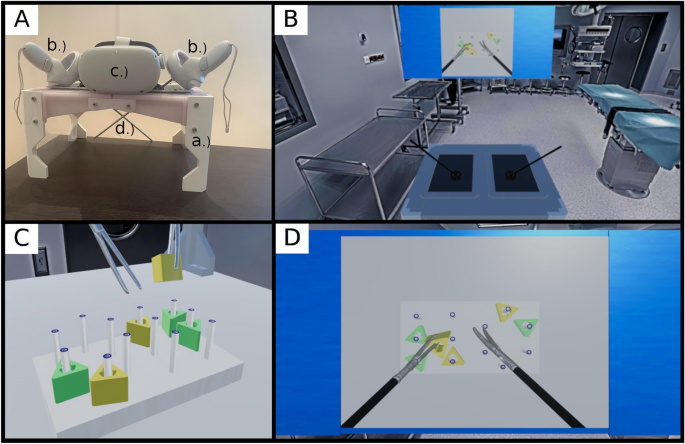
Revolutionizing Surgical Training with VR and AI

In a groundbreaking study published by Nature, researchers have unveiled a novel approach to surgical training using a low-fidelity virtual reality (VR) simulator enhanced with artificial intelligence (AI) for objective assessment. This pioneering method is poised to transform how medical students acquire laparoscopic skills, offering a cost-effective and efficient alternative to traditional training models.

AI and Machine Learning: Revolutionizing the Healthcare Industry

AI in healthcare is projected to grow into a $188 billion industry worldwide by 2030, promising to revolutionize the field. From drug development to improved diagnostics, AI is already making significant strides, transforming medical practices and enhancing patient care efficiency.

By |December 27, 2024|Categories: Article, Healthcare, Technology|Tags: , |0 Comments